
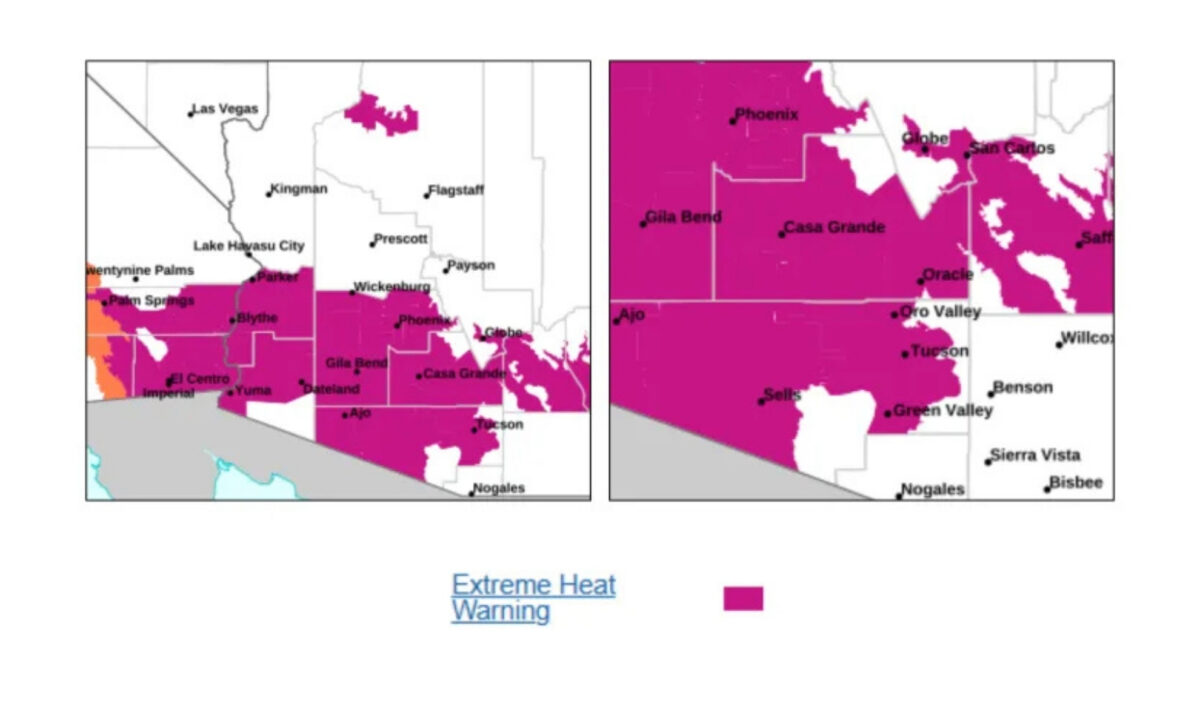
The warnings cover several parts of the Southwest, including major population centers and desert communities where temperatures are expected to climb well into the triple digits. According to the National Weather Service, heat-related illnesses increase significantly during extended periods of extreme heat, making this event particularly hazardous for vulnerable groups.
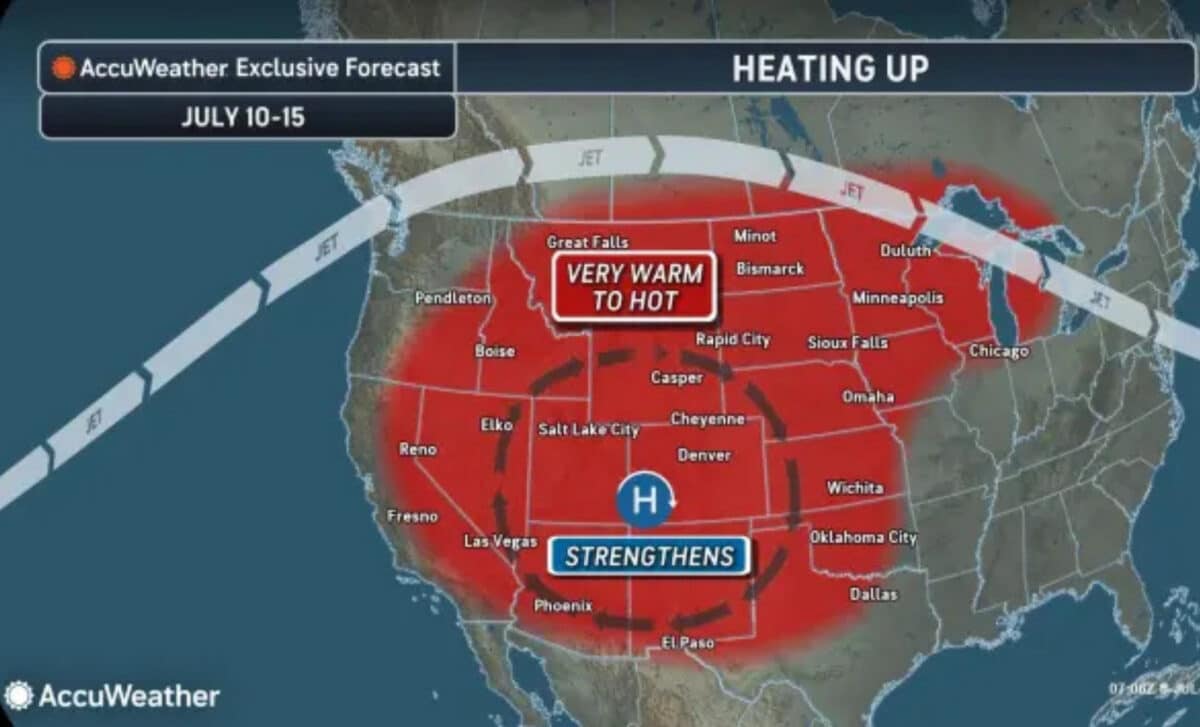
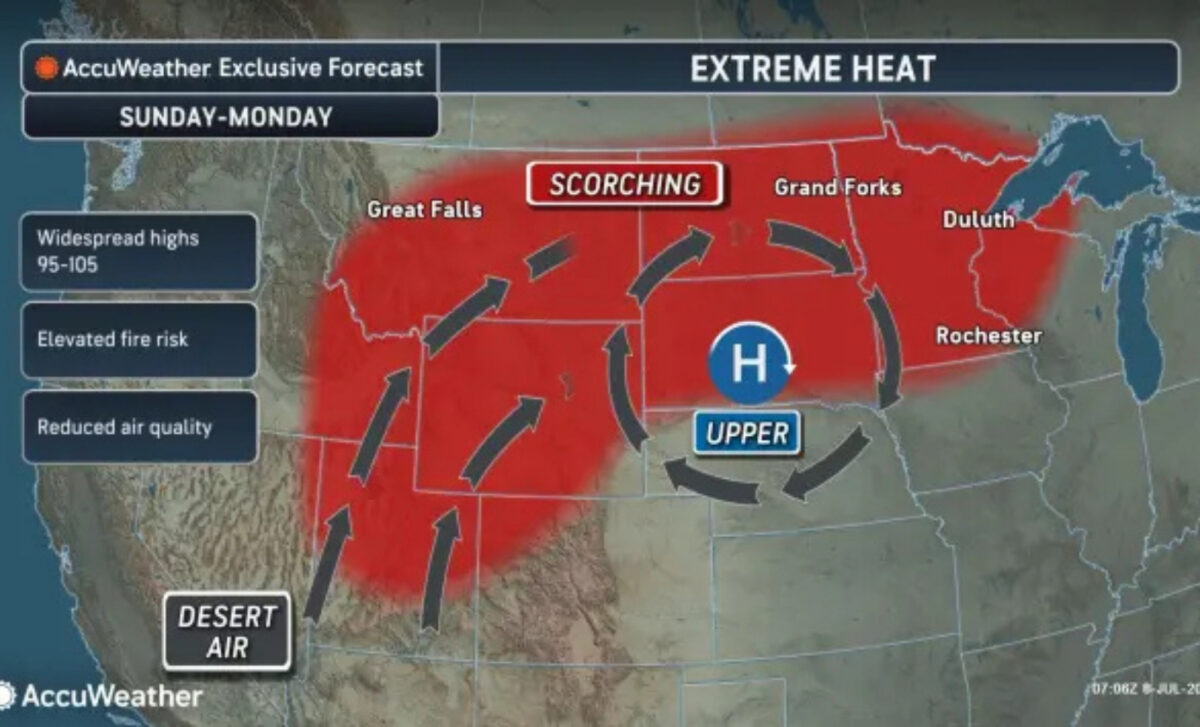
According to AccuWeather, the exceptional temperatures are being caused by a heat dome that has strengthened over the western United States. The weather pattern is allowing heat to build across the region while preventing cooler systems from moving in.
Auto Loan Debt Rises to Nearly $1.7 Trillionextreme Heat Grips Arizona, California and the Grand Canyon
The Phoenix metropolitan area and surrounding parts of south-central Arizona are among the areas facing the most intense heat. Temperatures are forecast to reach between 109 and 116 degrees through Thursday evening.
Farther west, parts of southwestern Arizona and southeastern California could see afternoon highs ranging from 110 to 118 degrees through Thursday night. The National Weather Service warns that these temperatures can feel comparable to the conditions inside a parked car on a hot day.
Extreme Heat Warnings are also in effect for the Tucson area, where temperatures between 107 and 111 degrees are forecast through Wednesday. California’s Coachella Valley, including Palm Springs, as well as the deserts of San Diego County, could experience highs of up to 117 degrees through Thursday night.
Nighttime conditions are expected to remain unusually hot, with temperatures largely staying in the 80s. That persistent warmth limits the body’s ability to cool after sunset and prolongs exposure to the heat.
The lower elevations of the Grand Canyon are also facing dangerous conditions. According to the National Weather Service, temperatures at Phantom Ranch are forecast to range from 111 to 114 degrees through Saturday evening.
Heat Dome Traps Hot Air Over the Region
AccuWeather reports that the ongoing heat is being produced by a large heat dome established over the western United States.
A heat dome develops when a strong area of high pressure settles over a region, causing air to sink toward the ground. As that air descends, it compresses and becomes warmer. The process creates an expanding pool of hot air that can remain in place for days or even weeks.
The same high-pressure system suppresses cloud formation, allowing intense summer sunshine to heat the surface even further. It also acts like a lid, trapping hot air near the ground while preventing cooler weather systems from moving through.
Temperatures across much of the interior West are expected to remain 5 to 10 degrees above historical averages, with many communities setting new seasonal high-temperature records.
Officials Warn of Health Risks as Prolonged Heat Continues
Health officials say the combination of prolonged extreme heat and very warm nights places significant stress on the body. Older adults, young children, outdoor workers and people without access to air conditioning are among those considered most at risk.
Prolonged exposure to extreme heat can lead to dehydration, heat cramps, heat exhaustion and, in severe cases, life-threatening heat stroke. Several of the warnings issued across Arizona and California describe the current conditions as presenting a “major heat risk.”
The heat is also increasing demand on power grids as air-conditioning use rises. Desert hiking areas, including the Grand Canyon, are becoming especially hazardous, where rescue crews routinely respond to heat-related emergencies during the summer.
Officials advise residents to drink plenty of water, spend as much time as possible in air-conditioned environments and avoid strenuous outdoor activity during the hottest part of the day. Those who must work outside are encouraged to wear lightweight, loose-fitting clothing and take frequent breaks in shaded or cooler areas.
The National Weather Service also recommends checking on relatives, neighbors and others who may be especially vulnerable during periods of extreme heat. Anyone showing signs of heat stroke, including confusion, loss of consciousness, a high body temperature or an inability to cool down, should receive immediate medical attention because heat stroke is a medical emergency.