
Millions of older Americans could gain access to popular GLP-1 weight-loss drugs under a new Medicare pilot programme launching in July, marking a major shift in how the federal health system approaches coverage of obesity treatments.
New Medicare Programme Launching In July
The Centers for Medicare & Medicaid Services will introduce the Medicare GLP-1 Bridge programme on July 1. The initiative is designed to expand access to weight-loss medications for eligible beneficiaries based on medical criteria such as body mass index and related health conditions.
Under the programme, qualifying enrollees will pay a $50 monthly copay, with Medicare covering the remaining cost of the drugs. The pilot is scheduled to run through the end of 2027.
Who Will Be Eligible For Treatment
Eligibility will depend on clinical assessments, including body mass index thresholds and associated medical conditions. In general, individuals with a BMI of 35 or higher may qualify, while those with a BMI of 27 or higher may be eligible if they have additional health issues such as pre-diabetes or cardiovascular-related conditions.
The programme will require a prescription from a licensed healthcare provider, along with prior authorisation before treatment is approved. Patients already receiving GLP-1 medications for conditions such as type 2 diabetes or sleep apnea will continue under existing coverage rules rather than the new programme.
Drugs Included In The Programme
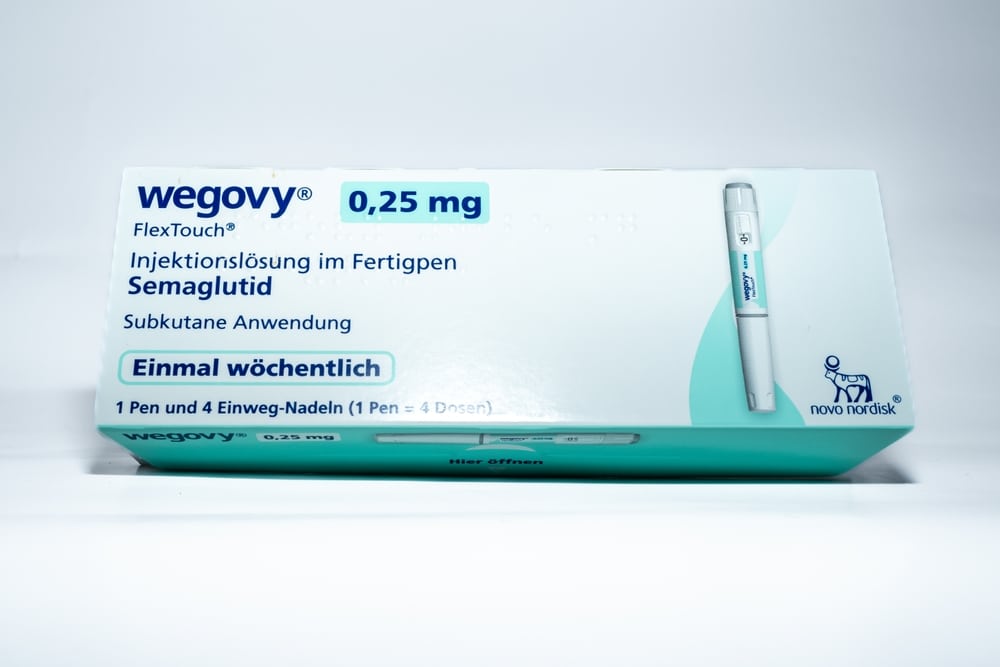
The programme will include several widely used GLP-1 medications, including Wegovy and Zepbound. These drugs are part of a class of treatments originally developed for diabetes but increasingly prescribed for weight management.
Both injectable and pill-based versions of these medications are expected to be covered under the pilot scheme.
Cost And Access Challenges
GLP-1 medications have become increasingly popular but remain expensive, with list prices often exceeding $1,000 per month without insurance coverage. While some manufacturers have introduced discounted pricing for cash-paying customers, affordability remains a barrier for many patients.
Health policy research indicates that a significant share of adults, particularly older Americans, report difficulty accessing or affording these treatments.
Wider Insurance And Employer Trends
The Medicare pilot comes as some private employers reduce coverage of weight-loss medications due to rising costs. Industry surveys suggest that a growing number of large employers are reassessing whether to continue covering GLP-1 drugs in employee health plans.
In some cases, insurers are introducing additional requirements such as weight-management programmes or clinical monitoring before approving ongoing prescriptions.
Outlook For Medicare Coverage
The pilot programme represents a temporary expansion of access while policymakers evaluate long-term coverage options for obesity treatments.
Officials have not yet provided estimates on how many Medicare beneficiaries may participate in the scheme during its rollout period.