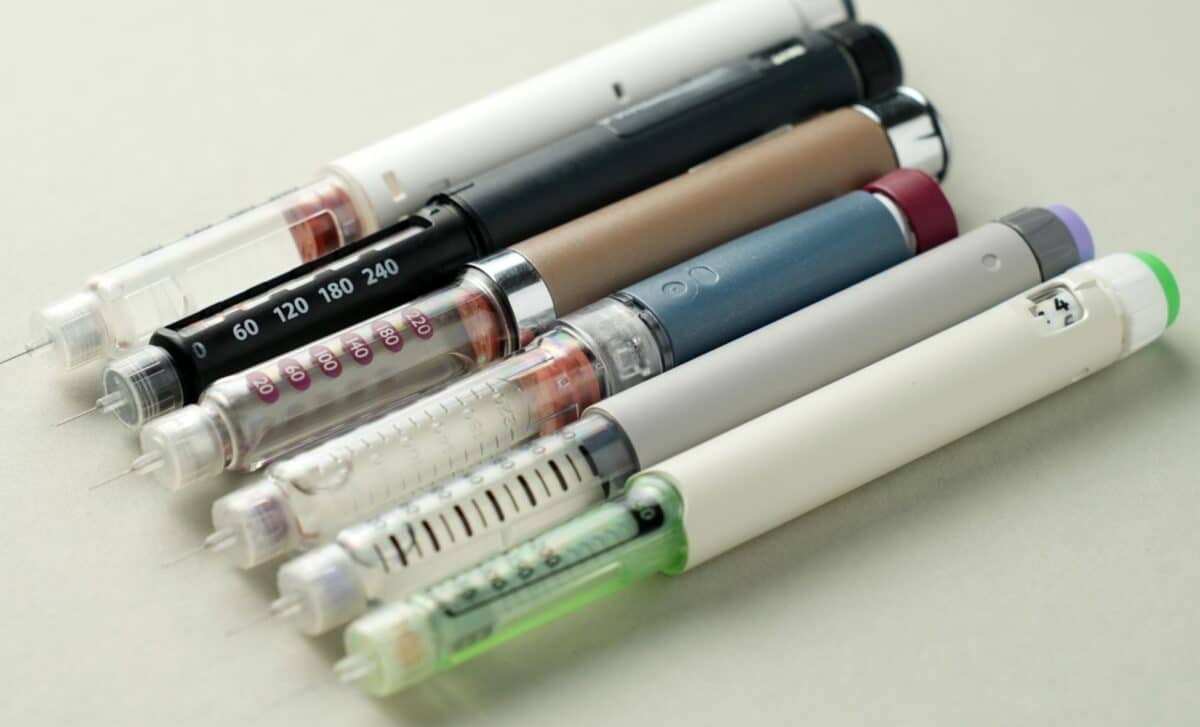
The research comes as GLP-1 drugs continue to gain widespread use across the United States. More than 40 million Americans have reported using the medicines for weight loss, while the market for these treatments is expected to grow substantially in the coming years.
According to the NBER study, the health benefits associated with obesity treatment may translate into significant long-term reductions in medical spending, particularly among adults with lower levels of formal education.
Healthcare Savings Were Highest among Adults without College Degrees
Researchers modelled the lifetime health and economic outcomes of U.S. adults aged 25 and older under two scenarios: one in which individuals did not use GLP-1 medicines and another in which adults meeting the clinical definition of obesity maintained long-term use of the drugs.
According to the study, adults aged between 40 and 50 who used GLP-1 medicines for obesity were projected to save an average of $192,735 in lifetime medical costs. The estimated savings were even higher among people without college degrees, reaching between $219,000 and $220,000. For college-educated adults, the estimated lifetime savings were lower, at roughly $163,000.
Felipe Montano-Campos, the study’s lead author, told Fortune that obesity contributes to a wide range of chronic health conditions, meaning treatment can reduce healthcare spending across multiple areas. He said the largest benefits appeared among less-educated individuals because GLP-1 medicines act directly on appetite and metabolism, reducing reliance on lifestyle changes that may be difficult to maintain.
Montano-Campos noted that people facing greater time constraints, including those working multiple jobs, may find it harder to follow structured exercise programmes or consistently access healthier food options. According to the study, all groups experienced positive effects, although the gains were greatest among those without college degrees.
The research also found that starting treatment earlier could increase the financial benefits. Adults beginning GLP-1 use between the ages of 25 and 30 were estimated to save as much as $270,800 over their lifetime.
Cost and Long-Term Access Remain Significant Concerns
Despite the projected savings, several experts highlighted practical barriers that could limit the real-world impact of the findings.
According to Fortune, obesity medicine specialist Fatima Cody Stanford of Massachusetts General Hospital said patients generally need to remain on GLP-1 medicines indefinitely to maintain the benefits. She warned that stopping treatment can lead to weight regain and the return of cardiometabolic conditions that the drugs were intended to address.
Stanford estimated that many users currently pay between $350 and $450 per month for FDA-approved weight-management GLP-1 treatments. She argued that such costs remain beyond the reach of many Americans who could benefit most from the medicines.
Montano-Campos acknowledged that the NBER analysis assumed continuous lifetime access to treatment and did not account for people discontinuing use because of financial pressures.
The study also did not factor in treatment discontinuation linked to side effects. Morgan Lee, lead researcher for Pharmaceutical Strategies Group’s 2026 survey, told Fortune that healthcare providers and insurers often consider whether patients are likely to remain on treatment long enough to achieve lasting health outcomes.
According to the survey, around 75% of health plan providers do not cover GLP-1 medicines for obesity-related weight loss, while nearly half reported they would not offer coverage at any price. Montano-Campos said he hopes the findings will contribute to discussions about expanding access to treatments that may help reduce health inequalities.