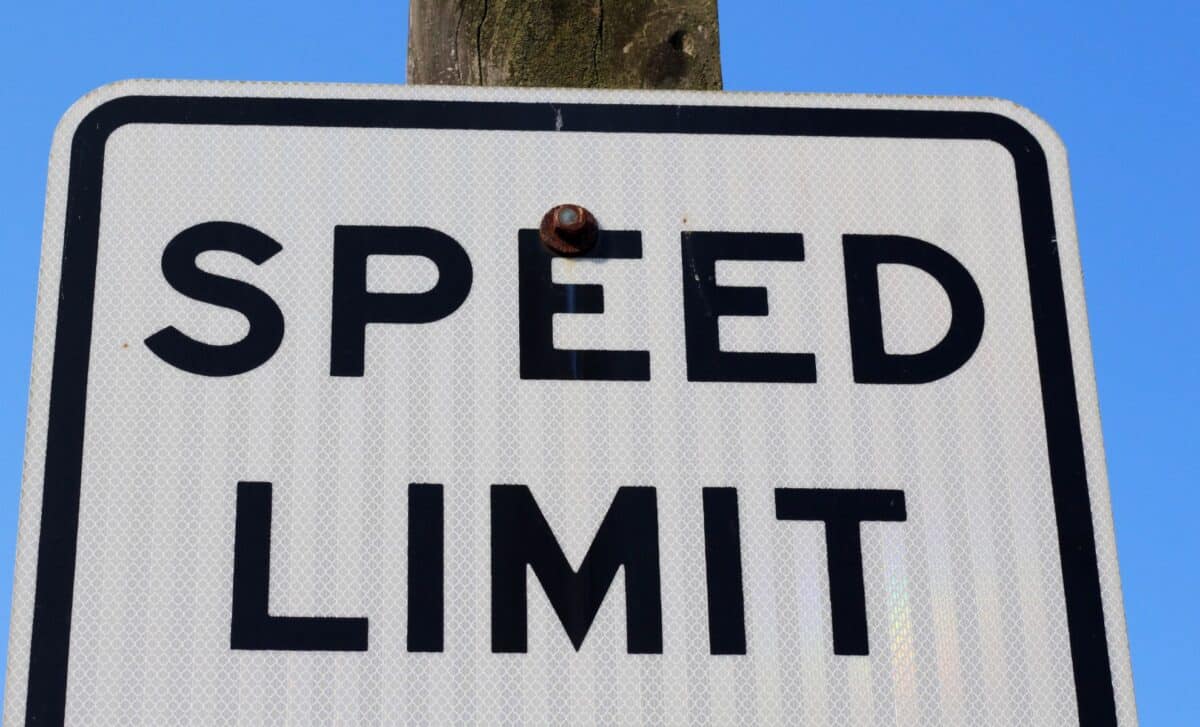
Starting July 1, 2026, the speed limit on rural two-lane state highways in Iowa will officially increase from 55 mph to 60 mph. The change affects certain U.S. highways, state-numbered highways, and county roads, aligning legal limits with common driving speeds on these rural routes.
Speed Limit Change and What It Means for Drivers
Major Chris Smith of the Linn County Sheriff’s Office said he does not expect the new speed limit to drastically alter driver behaviour. “I’m hoping we’ll see a drop in those people that are ten miles an hour over now and they’ll just continue to do that rather than kick up another five miles an hour,” he said. Major Smith emphasized that officer discretion will be key, noting that stopping cars in the middle of fast-moving traffic can create additional hazards.
He also warned that higher speeds bring increased risks. “If you have an accident, the faster you’re going the greater the chance of injuries. Just because you can now go 60 doesn’t mean you should go 70,” he said, urging drivers to exercise caution and use common sense, reports KCRG.
Drivers React to the Change
Some local drivers, such as Dick Rose from Mount Vernon, said the adjustment will likely make little difference in their everyday driving. “I typically go about 60 on straightaways,” he said. “On windy roads I go down to 55 or even lower sometimes. Some people go crazy and pass me.” Rose suggested that the change may be more noticeable once school resumes in the fall, when traffic slows for buses and pedestrian activity increases.
Local Variations Remain
Major Smith cautioned that the default increase does not apply universally. Some localities may retain a 55 mph limit due to road conditions or safety concerns. Drivers are advised to pay attention to posted limits and adjust their speed according to traffic flow, road layout, and weather conditions.
Signage Updates and Costs
The Iowa Department of Transportation (DOT) anticipates changing up to 1,800 road signs to reflect the new limits at a total cost of approximately $270,000. County governments are responsible for updating signs on county-maintained highways. The DOT stressed that the changes are intended to align speed limits more closely with typical traffic patterns on rural roads, while promoting safety and consistency across the state’s highway system.
Safety Remains a Priority
While the increased limit may reduce travel time on rural roads, law enforcement and transportation officials urge drivers to remain vigilant. The DOT and local authorities continue to emphasise that speeding beyond safe limits can increase the severity of accidents and compromise overall road safety, regardless of the legal maximum.