
Recent changes to SNAP benefits are creating confusion and stress for shoppers across the United States, with many families facing uncertainty over what they can buy and whether their benefits will cover grocery bills. The ripple effect is being felt not only by customers but also by local vendors and store staff, who are trying to adjust to rising costs and new regulations.
Anxiety at the Register
At grocery stores like Living Fresh Market in Forest Park, Illinois, employees report seeing customers hesitate at checkout, calculating what they can afford and worrying if their Electronic Benefits Transfer (EBT) cards will cover their purchases. “We’ve been seeing more anxiety, definitely not just through the aisles, but at the register, people kind of contemplating exactly how much will be covered on these benefits, or even if they still have benefits on their card,” said Melody Winston, senior executive at the store, to The Sun.
The stress extends beyond customers. Local vendors supplying the store are also affected, struggling to manage their costs and maintain their businesses amid the uncertainty. Rising prices and SNAP policy changes are creating a “perfect storm” where families are cut off from essential food while vendors face financial strain.
Rising Grocery Costs
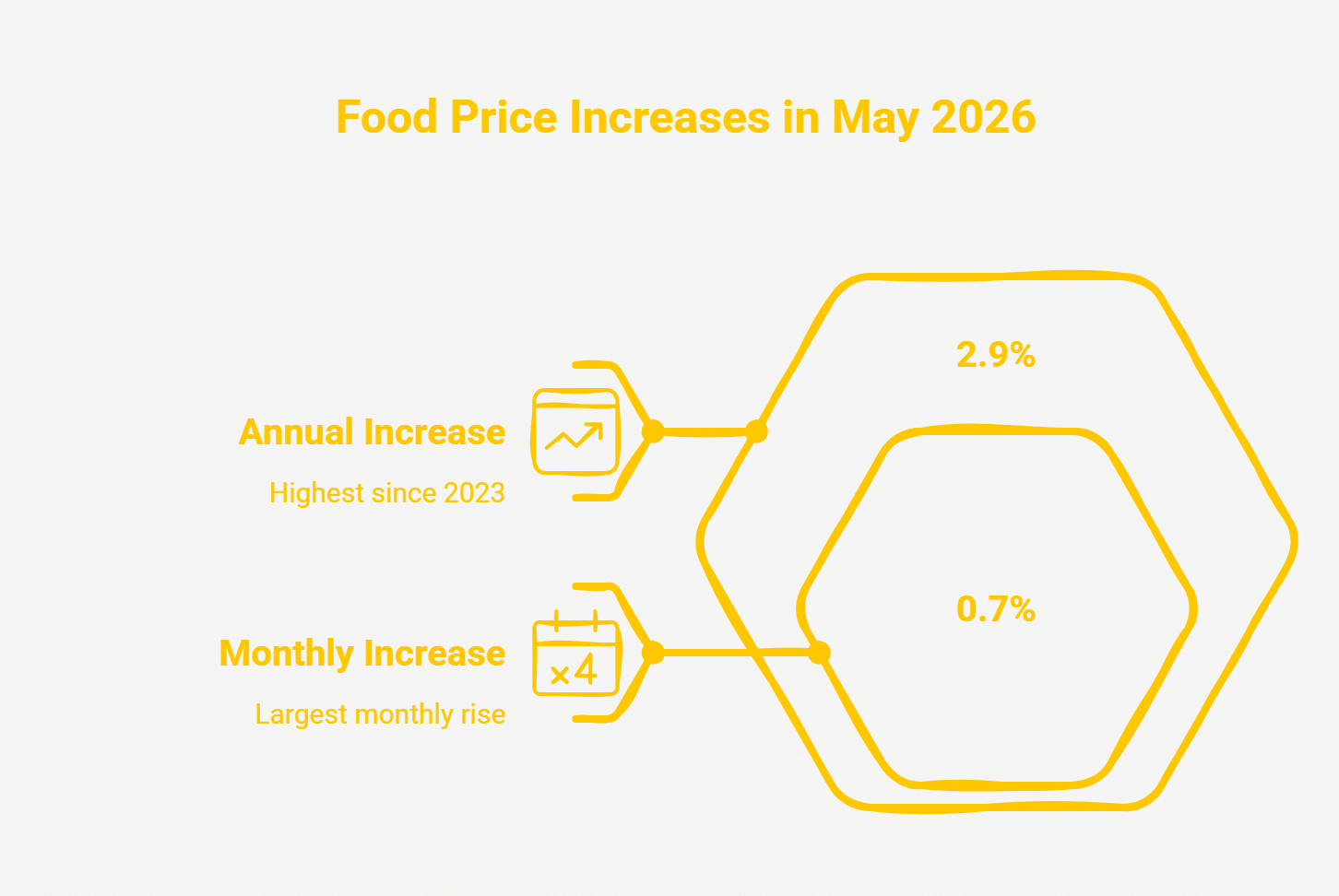
Food prices have been climbing steadily, with a 2.9% annual increase in grocery prices reported in May 2026—the highest since 2023. April alone saw a 0.7% increase, the largest monthly rise in about four years. Contributing factors include high energy and diesel prices linked to the US-Iran conflict, extreme weather, disease outbreaks, supply chain disruptions, and labor shortages. Beef prices, in particular, have surged due to a shortage of cattle.
SNAP Changes in Focus
Two recent SNAP changes stand out. First, work requirements under the One Big Beautiful Bill, enacted in July 2025, have caused millions of Americans to lose benefits. Data from the Center on Budget and Policy Priorities shows 4.3 million people lost benefits between January 2025 and 2026, with declines reaching 49% in Arizona and 15% in Louisiana and Virginia.
Second, restrictions on what can be purchased with SNAP benefits are being implemented in 22 states. Items like sugary foods and energy drinks are now limited, affecting shoppers in Arkansas, Colorado, Florida, Hawaii, Idaho, Indiana, Iowa, Kansas, Louisiana, Missouri, Nebraska, Nevada, North Dakota, Ohio, Oklahoma, South Carolina, Tennessee, Texas, Virginia, Utah, West Virginia, and Wyoming. Other large grocery chains, including Walmart and Aldi, are preparing for similar restrictions starting June 1.
The Broader Impact
These changes are having a tangible effect on store operations. Some employees are leaving for higher-paying jobs with more consistent hours, while overall sales at stores like Living Fresh Market are dropping. Families and vendors alike are navigating a new landscape where affordability and access to essential food have become increasingly uncertain.
The combined effect of rising prices and SNAP restrictions highlights how federal policy changes can reverberate through local communities, altering shopping behavior, store economics, and the daily lives of millions of Americans.