
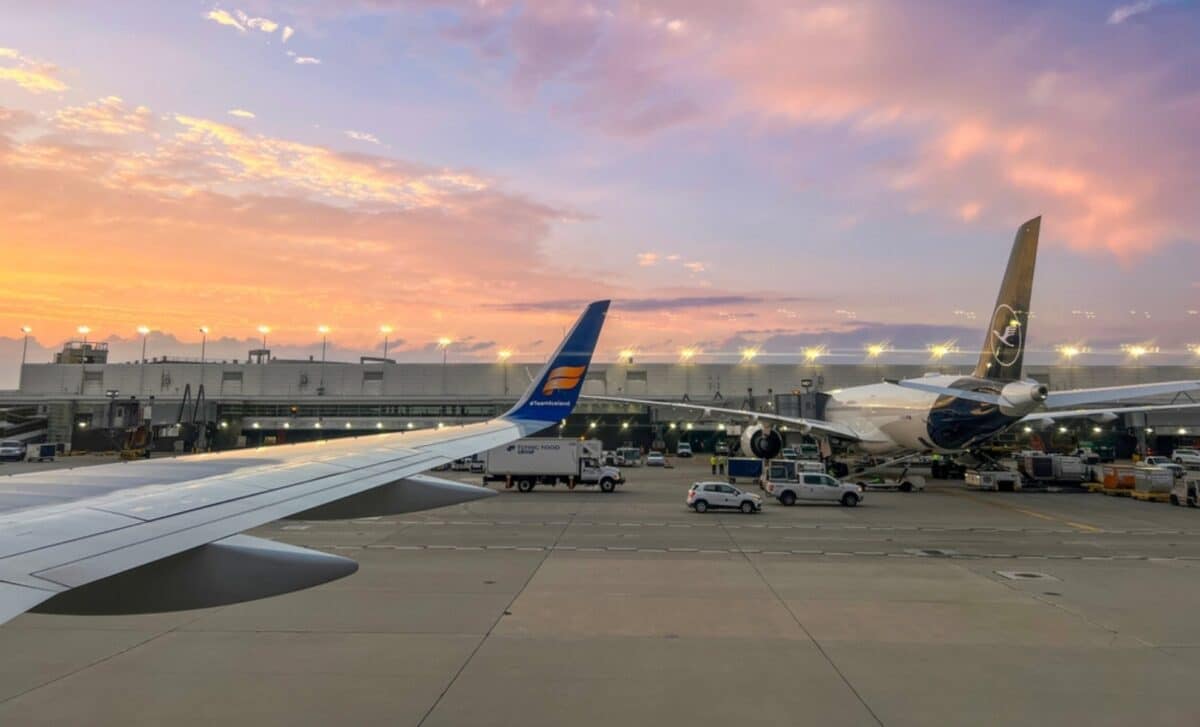
Nearly 2,700 flights have been removed from schedules at Chicago O’Hare International Airport for May, as major airlines respond to pressure from US regulators. The move comes just weeks before the busy summer travel period.
FAA Pushes Airlines to Reduce Congestion
The cuts follow action by the Federal Aviation Administration (FAA), which is aiming to limit disruption at one of the busiest airports in the world. Last summer, fewer than 60% of flights at O’Hare operated on time, prompting calls for changes.
Authorities are seeking to avoid a repeat scenario as traffic is expected to rise. On peak days, flight volumes could be nearly 15% higher than in 2025, increasing the risk of delays and cancellations if schedules remain unchanged.
American and United Lead the Reductions
Two major carriers, American Airlines and United Airlines, account for the majority of the cuts. According to aviation data, a total of 2,696 roundtrip flights have been removed from May schedules at O’Hare, reports Simpleflying.
United Airlines is responsible for the larger share, cutting 1,909 flights. Its total scheduled operations at the airport drop from over 43,000 to around 41,000 for the month.
American Airlines has reduced its schedule by 787 flights, a smaller adjustment but still affecting dozens of routes.
Dozens of Routes Impacted
The cuts are spread across multiple domestic routes, with some destinations seeing more noticeable changes. For United, cities such as Des Moines are among the most affected, while several of its major hubs, including Houston, Los Angeles and San Francisco, also see reductions.
American’s cuts are more focused on regional routes, with airports such as Chattanooga, Memphis, Omaha and Rochester among those impacted. Unlike its competitor, American has largely avoided reducing flights to its main hubs.
A Strategy to Improve Reliability
The decision to scale back schedules reflects a broader effort to improve reliability. By reducing the number of flights, airlines aim to create more realistic timetables and avoid the knock-on effects of delays.
Regulators have made it clear that preventing disruption is a priority. The goal is to ensure that passengers can travel with greater certainty during the peak season.
What This Means for Travellers
For passengers, the changes may result in fewer flight options on certain routes. At the same time, the adjustments could lead to more consistent departure times and fewer last-minute cancellations.
While the reduction represents a small share of O’Hare’s overall traffic, it highlights the ongoing pressure on major hubs as demand continues to grow.
A Key Moment Before Summer Travel
With summer approaching, airlines are balancing demand with operational limits. The cuts at Chicago O’Hare show how scheduling decisions are being shaped by both regulatory pressure and past performance issues.
For travellers planning trips in the coming weeks, keeping an eye on schedules and updates remains a practical step, as airlines continue to refine their operations.