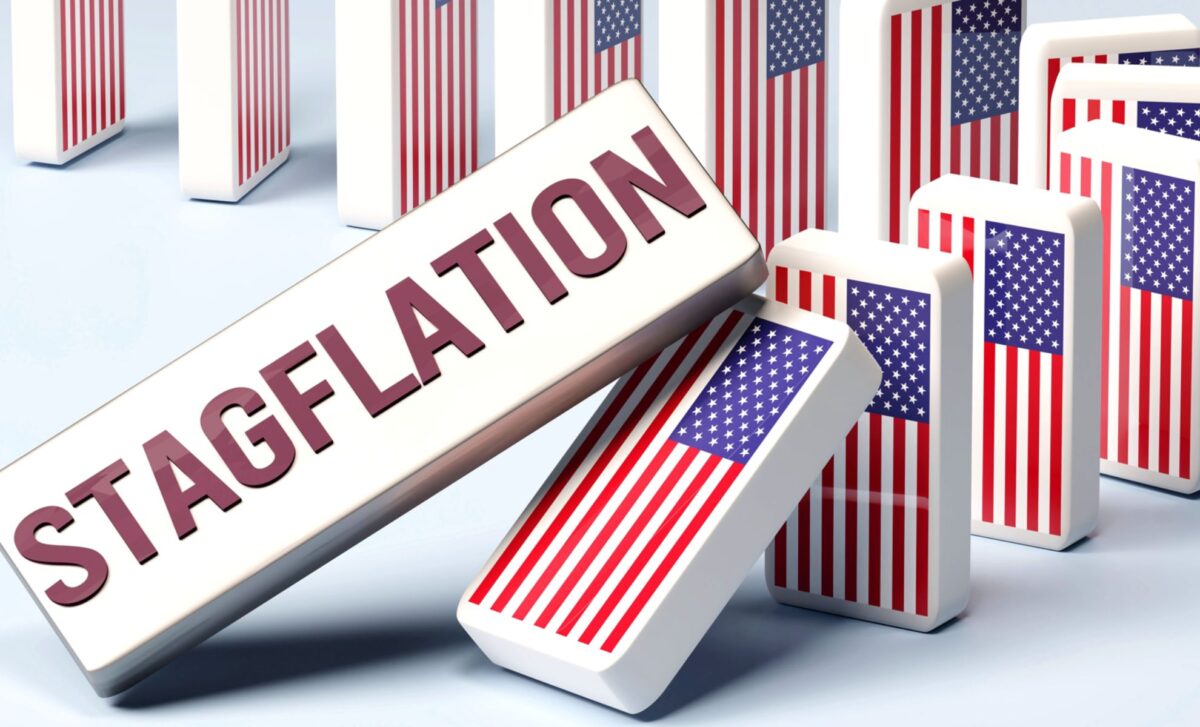
The global economy is entering a period of heightened uncertainty as the effects of seven weeks of conflict in the Middle East begin to surface in economic data. Early indicators suggest a dual strain on growth and inflation, reviving concerns about stagflation.
Fresh business surveys due this week across major economies are expected to clarify whether the initial economic disruptions seen after the first month of the Iran conflict have intensified. Policymakers and analysts are watching closely, as the combination of slowing activity and rising prices could complicate already fragile recovery paths.
Business Surveys Signal Weakening Growth Outlook
New purchasing managers’ index (PMI) readings from economies ranging from Australia to the United States are expected to show diverging trends. According to Bloomberg, forecasts point to broad deterioration across Germany, France, the eurozone, and the United Kingdom, while US indicators are projected to remain relatively stable.
These surveys follow earlier data that already hinted at weakening momentum. Chris Williamson, chief business economist at S&P Global, previously pointed to the risk of stagflation after global PMI figures in March reflected both slowing growth and rising costs. The upcoming April readings are expected to test whether that pattern has deepened.
The International Monetary Fund has also warned of a range of possible outcomes, including a near-recession scenario. IMF Managing Director Kristalina Georgieva stated that even if the conflict were to end quickly, its economic consequences would persist. According to Bloomberg, she said that “the impact is already baked in,” emphasizing that recovery would take time.
In parallel, additional indicators such as Germany’s Ifo business climate index and US consumer sentiment data are expected to provide further insight into how businesses and households are responding. European Central Bank chief economist Philip Lane noted that policymakers will rely on a “rich set of survey data,” while acknowledging that respondents themselves are facing the same uncertainty as decision-makers.
Inflation Pressures Intensify amid Energy Shocks
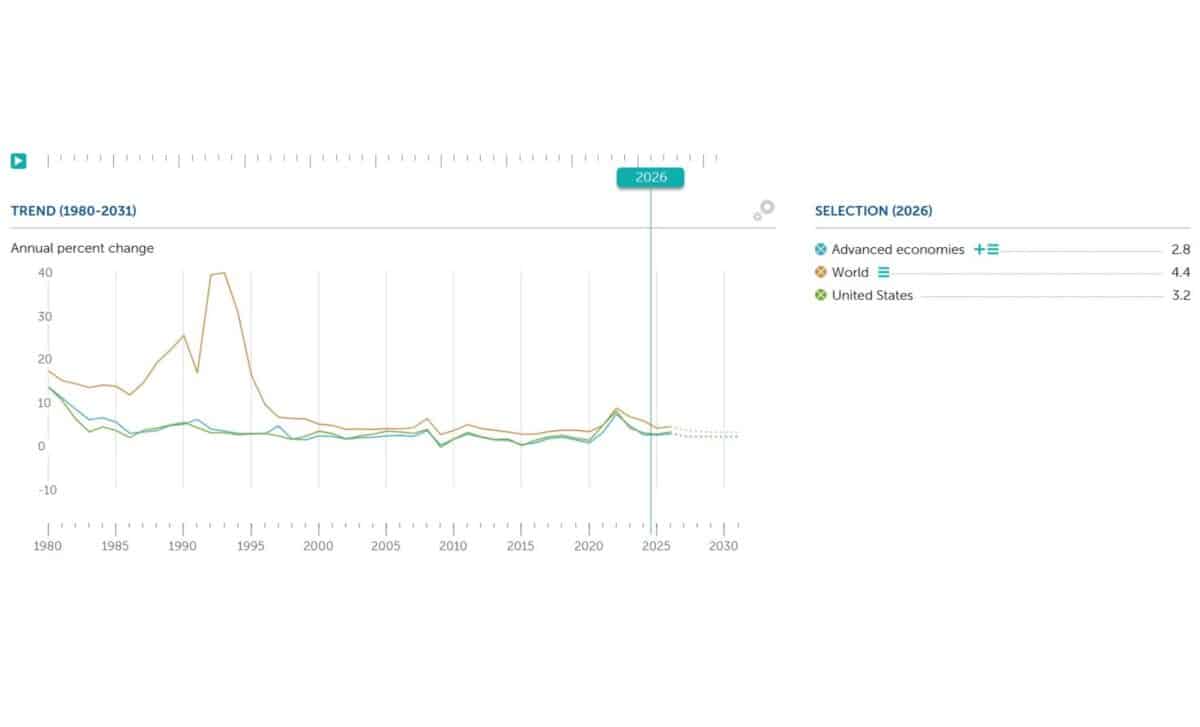
Rising energy prices linked to the conflict are emerging as a central driver of inflation across multiple regions. According to reports, higher fuel costs are expected to push up inflation readings in countries including Canada, the United Kingdom, and South Africa.
In North America, US retail sales data is projected to show a notable increase, largely due to higher gasoline spending. However, underlying demand may remain subdued as households adjust their budgets. Bloomberg reports that excluding fuel and autos, spending is expected to appear more restrained, reflecting pressure on consumers.
Across Asia, inflation risks tied to energy costs are expected to dominate the economic calendar. Data releases from countries such as Japan, Singapore, and Hong Kong will offer early evidence of how rising prices are feeding through to the broader economy. Policymakers in the region are balancing inflation concerns with currency stability and growth considerations, with several central banks expected to hold or adjust interest rates accordingly.
Meanwhile, central banks in other regions are also navigating difficult trade-offs. Turkey’s central bank is widely expected to maintain its policy rate, while some economists anticipate potential tightening in response to inflationary pressures. In Latin America, ongoing price pressures predating the conflict are likely to sustain restrictive monetary policies, further weighing on growth.
The broader picture remains uncertain. Georgieva noted that policymakers must adapt to what she described as “an environment of high and permanent uncertainty,” highlighting the limits of even comprehensive economic analysis in the current context. As new data emerges over the coming days, it is expected to provide a clearer, though still incomplete, picture of how deeply the conflict is reshaping global economic conditions.