Inflation in the United States is rising again, catching attention across markets and households. A sharp increase at the pump is driving this shift. The question now is how far this trend could spread.
Petrol Prices Drive a Sharp Rise in US Inflation
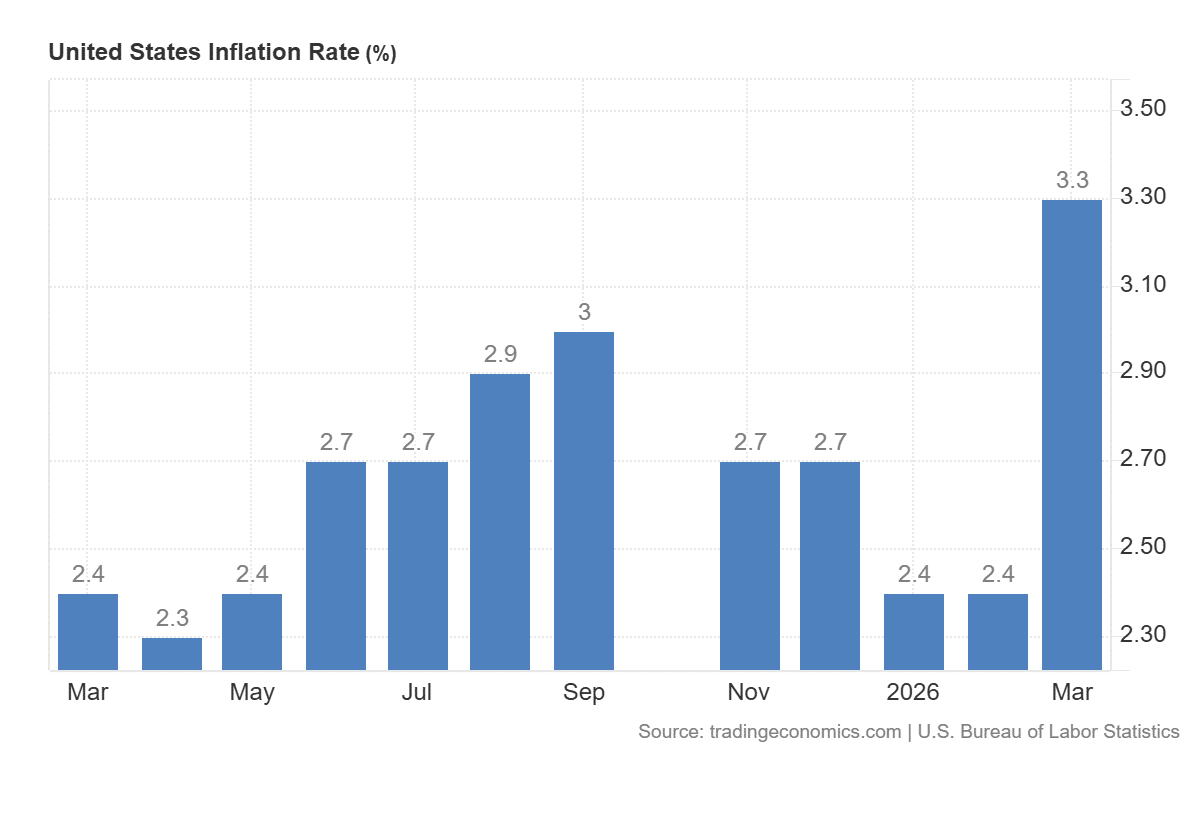
US inflation reached 3.3% in March, up from 2.4% in February, marking its highest level in nearly two years. This jump reflects the strongest monthly increase since 2022, when energy markets were already under pressure. At the centre of this acceleration are petrol prices, which have risen quickly in response to global tensions. The effect has been immediate, feeding directly into overall consumer prices.
The surge is largely linked to disruptions in oil supply following tensions in the Middle East. The partial shutdown of the Strait of Hormuz has limited flows, pushing oil prices higher. As a result, fuel costs have increased across the US, contributing to nearly three quarters of the inflation rise between February and March. This shows how closely inflation remains tied to energy markets.
Petrol Prices Post Record Monthly Increase
Fuel costs recorded an exceptional rise over a single month. Petrol prices jumped by 21.2%, the largest increase since records began in 1967, while fuel oil surged by over 30%. These changes have had a direct effect on consumers, especially those who rely heavily on driving for daily activities. The increase has been widely felt across different regions.
In California, where prices are already higher than the national average, the situation is even more pronounced. A gallon of petrol reached $5.93, compared to $4.16 nationwide, reports BBC. For some drivers, filling up a vehicle now costs nearly double what they were used to paying. This has led to adjustments in behaviour, including reduced travel and tighter spending.
The Strait of Hormuz Keeps Petrol Markets Under Pressure
The Strait of Hormuz remains a central point of concern for global energy markets. Around 20% of the world’s oil supply passes through this route, making any disruption highly visible. Since the start of the conflict, traffic has been significantly reduced, limiting the availability of oil on international markets.
Although there are discussions about reopening the route, a full return to normal conditions may take time. Oil prices have eased slightly but remain about 30% higher than before the conflict began. This continued pressure is keeping petrol prices elevated and contributing to uncertainty across markets. The situation remains closely monitored by analysts and policymakers.
Why Petrol Prices Are Spreading Through the Economy
The rise in fuel costs is beginning to affect other sectors beyond transport. Prices for air travel and clothing have increased, reflecting higher operating and logistics costs. While food prices remained stable in March, there are expectations of future increases as supply chains adjust to higher energy expenses. These changes tend to appear gradually rather than all at once.
Economists note that this is still mainly an energy-driven inflation increase. Core inflation, which excludes food and energy, rose to 2.6%, indicating more moderate underlying pressure. This suggests that the broader economy has not yet fully absorbed the shock. Even so, continued high petrol prices could extend these effects over time.
A Fragile Path for Petrol Prices and Interest Rates
The current situation has complicated expectations around US interest rates. Earlier forecasts pointed toward rate cuts in 2026, but rising inflation has cast doubt on that outlook. Central bank officials are now more cautious, given the renewed pressure from energy prices. Decisions will depend on how inflation evolves in the coming months.
If petrol prices begin to stabilise, inflation could ease gradually. If tensions persist, upward pressure may remain and spread further. For now, the outlook is uncertain, shaped largely by geopolitical developments and energy market conditions. The coming weeks are likely to be decisive.