
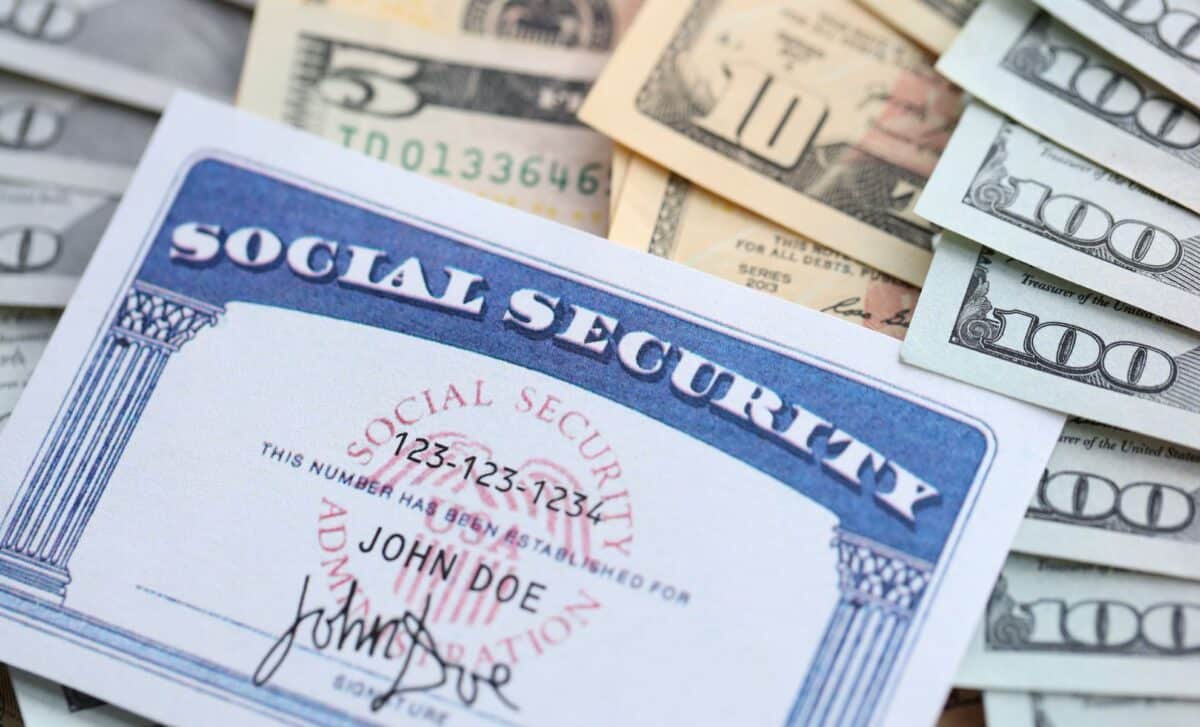
As 2026 progresses, millions of Americans who depend on Social Security are taking stock of what this year’s Cost-of-Living Adjustment means for their monthly finances. The COLA mechanism, designed to align benefit levels with inflation, has become a focal point for retirees navigating persistently elevated costs in housing, healthcare, and food, even as broader price growth has eased.
The adjustment takes effect each January, meaning that by April, recipients are already receiving their revised payment amounts. No further mid-year increase is scheduled, and benefit levels remain consistent throughout the remainder of the year.
A Modest Adjustment Tied to Cooling Inflation
The 2026 COLA is notably smaller than the increases that characterized earlier years in the decade, when inflation surged and triggered the largest Social Security adjustments in decades. According to reporting on the adjustment, the increase falls in the range of roughly 2% to 3%, a direct consequence of how the mechanism works: COLA is calculated using the Consumer Price Index for Urban Wage Earners and Clerical Workers, or CPI-W, which tracks price changes across a defined basket of goods and services. When inflation moderates, the formula produces a proportionally smaller benefit increase.
For the average retiree, that translates to a monthly payment that may rise to just over $1,900, according to available projections. While any upward movement in income is generally welcome among fixed-income households, the practical impact of a smaller percentage gain is limited, particularly for those whose day-to-day expenses have not retreated at the same pace as headline inflation figures.
The stabilization of the broader economy, while a positive macroeconomic signal, carries a specific trade-off for Social Security recipients. Lower inflation produces lower COLA, and for retirees who experienced steep price increases in previous years but are now receiving smaller compensatory adjustments, the cumulative gap between benefit growth and real-world cost increases can be difficult to close.
Why the Increase May Not Go as Far as Expected
Even a technically accurate COLA adjustment can feel inadequate to many retirees, and economists and policy analysts have long raised concerns about the index used to calculate it. The CPI-W is constructed around the spending patterns of working-age urban wage earners, a demographic whose consumption habits differ in meaningful ways from those of older Americans.
Retirees typically allocate a greater share of their income to healthcare, a category that has historically seen price growth outpace general inflation. Because the CPI-W does not weight medical expenses as heavily as retirees actually experience them, the resulting COLA may systematically underrepresent the real cost pressures faced by beneficiaries, according to analysts who have studied the issue.
Compounding this is the effect of Medicare premiums. For recipients who have their Part B premiums deducted directly from their Social Security payments, any increase in those premiums reduces the net gain from a COLA adjustment. In years where premium increases are significant, the actual amount deposited into a retiree’s bank account can be noticeably lower than the headline percentage would suggest.
For retirees assessing their April payments against their monthly expenses, the 2026 COLA represents a stabilizing measure rather than a transformative one. The adjustment preserves a degree of purchasing power in a period of moderated but still-present inflation, even as questions about its long-term adequacy remain unresolved in both policy circles and household budgets.