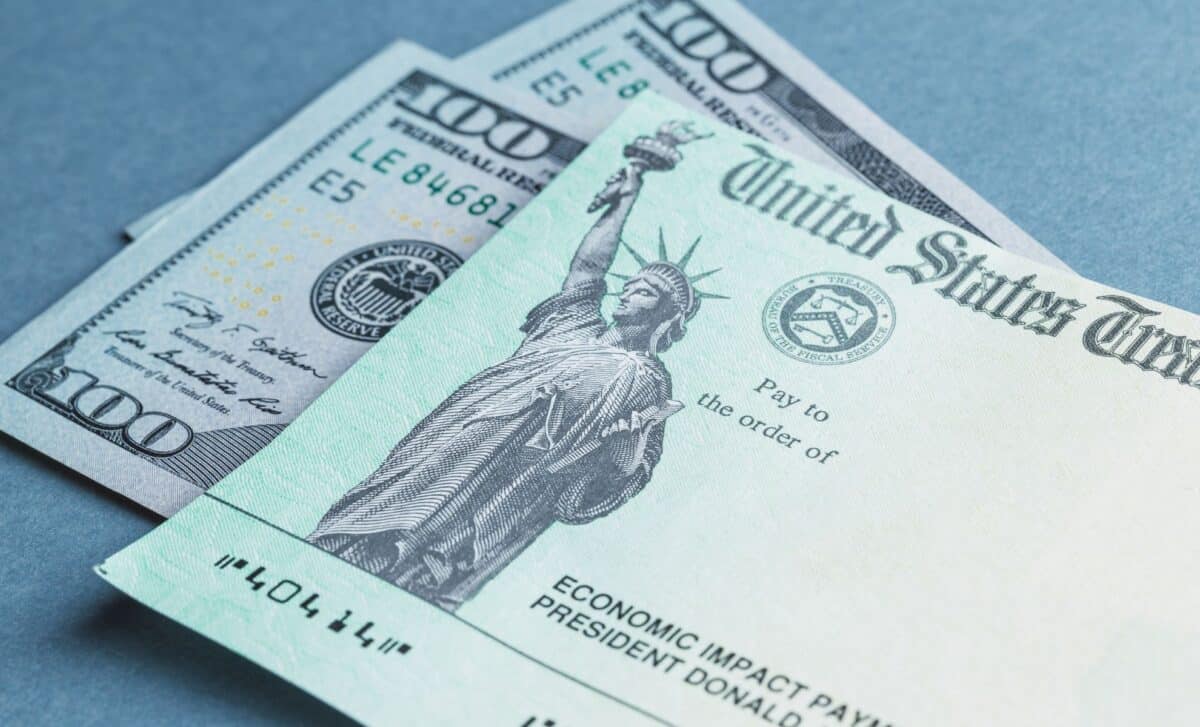
The Trump administration’s plan to issue $2,000 “tariff stimulus” checks to American households has taken a clearer shape, with Treasury Secretary Scott Bessent indicating that eligibility could be capped at those earning under $100,000 per year. This proposed “dividend” comes as part of a broader effort to redistribute revenue from the White House’s aggressive tariff policy. But as the plan draws scrutiny from both economists and lawmakers, doubts persist over its funding, implementation, and long-term impact.
Eligibility Could Be Capped below Six Figures
In a series of interviews this week, Treasury Secretary Scott Bessent confirmed that the proposed $2,000 rebate, funded by revenue from tariffs imposed under the International Emergency Economic Powers Act (IEEPA), would likely exclude individuals or households with “high incomes.” Speaking on Fox & Friends, Bessent stated the payments would be intended for “families making less than, say, $100,000.”
President Donald Trump has publicly promoted the idea as a way to “give back” to American families affected by rising consumer prices tied to international trade measures. On Truth Social, Trump wrote that the dividend would go to “everyone,” except for those in higher income brackets.
Still, specifics remain undefined. In a separate interview on ABC’s This Week, Bessent acknowledged that the “dividend” might not necessarily come in the form of direct cash payments. “It could take many forms,” he said, adding that tax relief, such as deductions for auto loans or untaxed tips, was also being discussed as a possible mechanism for delivering the benefit.
Economist Erica York, vice president of federal tax policy at the Tax Foundation, estimated that even with the proposed income cap, issuing $2,000 checks would cost around $300 billion. By comparison, tariff revenue since implementation has amounted to approximately $90 billion, according to U.S. Customs and Border Protection data through September 23.
Funding Shortfalls and Legal Obstacles Raise Concerns
The feasibility of the proposal has raised concerns among experts and lawmakers alike. According to Kevin Thompson, CEO of 9i Capital Group, “We’ve only made roughly $130 billion from both new and old tariffs so far, so that would basically wipe away all tariff revenue and then also call for additional spending.” Thompson suggested that the checks are unlikely to materialize in their advertised form and may instead be folded into future tax reforms.
In fiscal year 2025 alone, the federal government collected $195.9 billion in customs duties, but not all of this revenue is attributable to Trump-era tariffs. Moreover, any direct stimulus checks would require congressional approval, a significant hurdle given ongoing concerns about the national deficit and internal divisions among Republican lawmakers.
Alex Beene, a financial literacy instructor at the University of Tennessee at Martin, noted that “over half of American households make $100,000 a year or less,” making them eligible under the suggested threshold. Still, Beene emphasized that several legal and budgetary uncertainties could derail the plan.
No final decision has been made, and the Treasury Department has not released a detailed timeline or mechanism for the proposed payments. As of now, the idea remains a policy outline rather than a concrete legislative initiative. While the concept of a “tariff rebate” is politically potent, particularly among working- and middle-class voters, its implementation faces both economic and legal headwinds.