
As the expiration of enhanced subsidies from the Affordable Care Act (ACA) looms at the end of the year, the GOP is looking to chart an alternative course. Yet with many Americans relying on the temporary ACA tax credits for affordable coverage, the Republican proposals raise serious questions about the future accessibility and affordability of health care.
The CARE Act: A Temporary Solution with Long-Term Consequences
One of the most discussed proposals is the Consumer Affordability and Responsibility Enhancement (CARE) Act, introduced by Ohio Senator Bernie Moreno. The bill seeks to extend the ACA Premium Tax Credits for two more years, aiming to soften the blow of the expiring subsidies for millions of Americans. However, it also includes several significant changes: the phase-out of subsidies for high earners, which would begin at a household income of $200,000, and a minimum $25 monthly premium payment.
According to critics, these changes could have unintended consequences, especially for middle-income households and older Americans who are already heavily reliant on the ACA’s enhanced subsidies. Michael Ryan, a finance expert and founder of MichaelRyanMoney.com, argues that this proposal would “raise premiums for millions who buy coverage on the ACA exchanges.” Ryan points out that while the CARE Act may initially appear to provide a temporary fix, it essentially shifts the financial burden onto consumers, who would have to pay higher premiums, especially in states where ACA coverage is the only realistic option.
Supporters of the plan, such as Senate Appropriations Committee Chair Susan Collins, argue that it will prevent unaffordable increases in premiums. Collins suggests that the bill is a “practical solution” that targets the individuals most in need of help, while also curbing potential fraud associated with zero-premium plans. However, critics caution that without a more comprehensive overhaul, the CARE Act’s reliance on temporary measures may only delay the inevitable pain of rising health care costs.
High-Deductible Plans and Health Savings Accounts: A Free-Market Solution?
Alongside the CARE Act, several Republicans are championing the idea of high-deductible health plans (HDHPs) combined with Health Savings Accounts (HSAs) as a way to reduce premiums. Under this model, individuals would pay lower monthly premiums but face higher deductibles, sometimes exceeding $7,000 for a single person. The idea is that consumers would then use HSAs to save tax-free money for medical expenses, theoretically giving them more control over their health care spending.
This approach has been endorsed by lawmakers like Senators Bill Cassidy and Mike Crapo, who argue that giving Americans more control over their health care decisions would help reduce overall costs. Cassidy has described the system as a “side-by-side choice,” where consumers could opt for lower premiums in exchange for taking on more responsibility for their medical expenses.
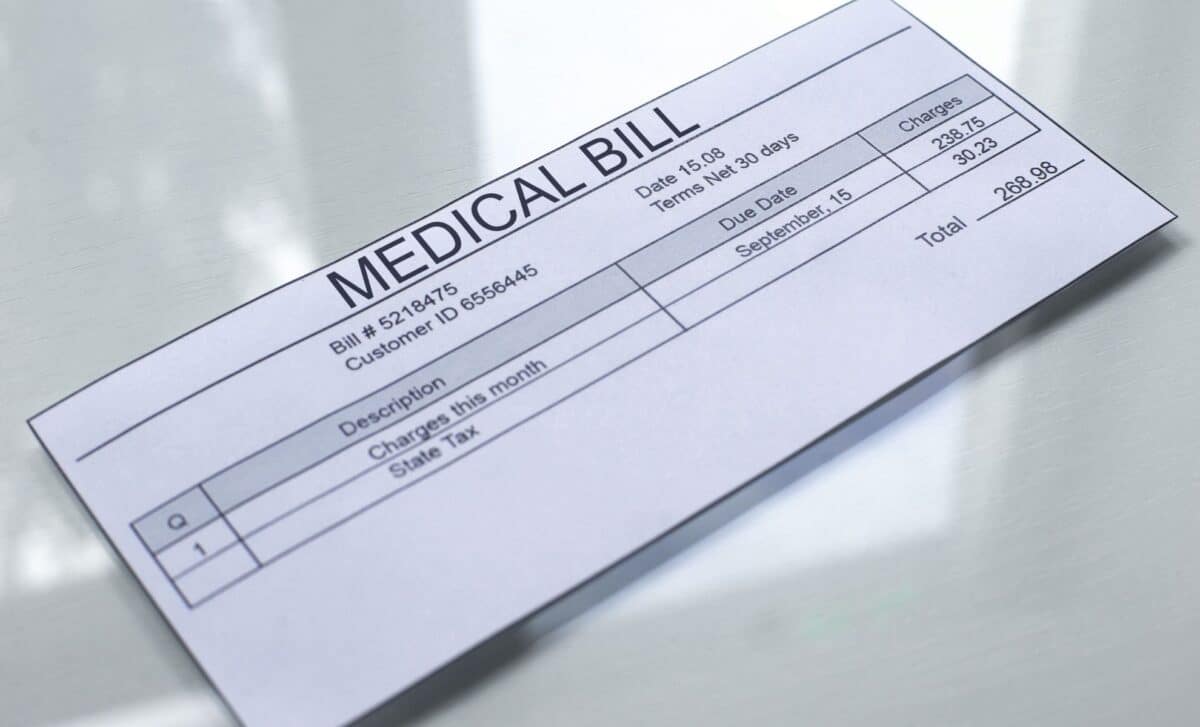
However, critics of high-deductible plans warn that they often leave patients with hefty out-of-pocket costs, particularly those who require frequent or complex medical treatments. Sarah Monroe, a Cleveland resident who faced overwhelming medical debt despite being insured under a high-deductible plan, shared her experience of being buried under $13,000 in medical bills.
Monroe pointed out that high-deductible plans are often impractical for patients with serious health conditions, who are unlikely to shop around for the lowest price when dealing with emergencies or long-term treatments. “It’s impossible to pay medical bills,” she said, highlighting the significant challenges that many families face under such insurance structures.
Moreover, health care experts question whether HSAs can truly address the larger systemic issue of rising medical costs. While HSAs may provide short-term relief for some, they do little to curb the inflation of medical expenses, which have far outpaced general inflation. As such, many believe that while the GOP’s high-deductible model may appeal to those looking for lower premiums, it could exacerbate financial difficulties for those who need extensive care.