
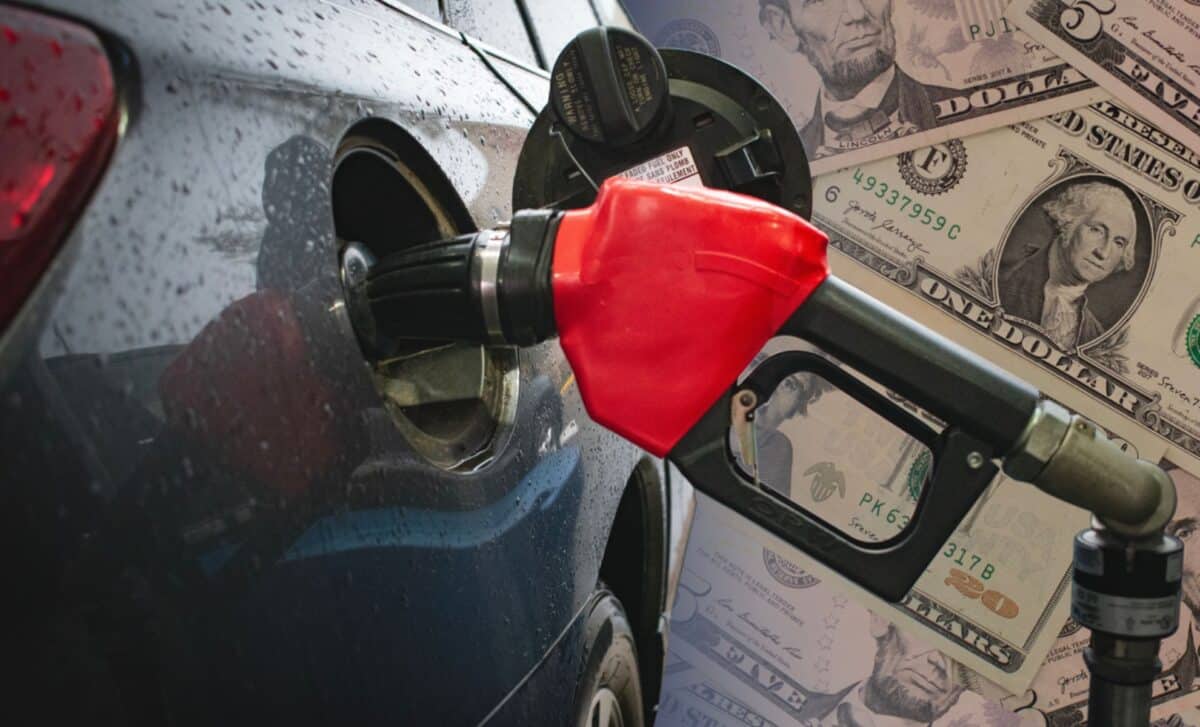
As tensions continue to escalate in the Middle East, drivers in the U.S. can expect gas prices to climb in the near future. Oil prices surged sharply in response to the conflict, with experts predicting the ripple effects will soon be felt at the pump. As the busy summer driving season approaches, the impact on household budgets could be significant.
The rise in oil prices is being fueled by growing concerns about disruptions in global oil supplies. Iran’s threats to close or restrict access to the Strait of Hormuz, a critical waterway for global oil transport, has already had a major impact on oil markets. With approximately 20% of the world’s oil passing through this narrow passageway, any interruption to shipping could send shockwaves through the global energy market.
The Immediate Impact on Gas Prices
The national average for a gallon of regular gasoline in the U.S. has already started to rise, with some areas experiencing price increases of up to 30 cents per gallon by the end of the week. According to GasBuddy analyst Patrick De Haan, the situation could escalate quickly if the conflict persists. The rise in gas prices comes after an already upward trend this year, with prices averaging around $3 per gallon. While this is still lower than last year’s levels, the sudden uptick is worrying many consumers who are already facing a tight budget due to higher food and housing costs.
The price of West Texas Intermediate crude oil, the U.S. benchmark, jumped by more than 6% on Monday to $71.19 per barrel, while the international benchmark, Brent crude, surged nearly 9%. As crude oil prices directly influence the cost of gasoline, this increase is expected to lead to a corresponding rise at the pump. According to Aixa Diaz, a spokesperson for the AAA motor club, around 60% of the price of gasoline is tied to the price of crude oil. If oil prices continue to rise, drivers will inevitably feel the pressure at the gas station.
Potential Global Implications
The situation in the Middle East is more than just a domestic concern. If oil prices continue to climb, the effects could ripple out across the global economy. Higher fuel costs are expected to drive up transportation costs, affecting industries from logistics to manufacturing. According to Nigel Green, CEO of the deVere Group, rising oil prices often lead to higher freight and airline fuel costs, which can then impact the prices of goods across the board. This could reignite inflation in the U.S., which has been cooling in recent months, as energy costs make their way into the prices of everyday items.
In addition to gas prices, there are concerns about the potential for further disruptions in other forms of energy. The conflict could exacerbate issues with liquefied natural gas (LNG) exports, particularly from Qatar, the world’s second-largest exporter of LNG. The closure of critical shipping lanes or the halting of production in key regions could push prices up for natural gas and other energy sources as well, affecting both residential consumers and businesses.
While some analysts remain cautious, noting that the situation is still fluid, the trajectory of oil prices will depend largely on how long the conflict lasts. According to Luis Costa, Citigroup’s global head of emerging markets strategy, the oil market could experience extended volatility if the situation persists. On the other hand, if tensions ease and shipping lanes reopen, oil prices could stabilize in the coming weeks. However, the uncertainty surrounding the conflict means that consumers should brace for further price fluctuations at the pump.