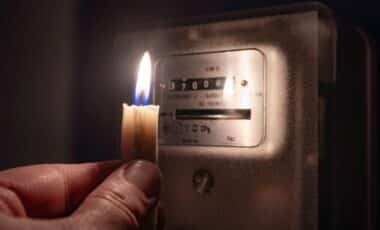
Millions of Americans are facing higher utility bills this year as electricity and natural gas prices continue to climb. While political leaders blame renewable energy or fossil fuel dependency, industry analysts point to rising demand, limited transmission capacity, and stalled infrastructure as primary drivers of this increase.
Electricity costs are up 5.5% year-on-year, and natural gas has surged 13.8%, according to federal data. Nearly 60 utility companies plan to raise rates, affecting over 57 million customers and adding $38 billion in collective charges, based on findings from the Center for American Progress.
Rising Demand and Infrastructure Strain Driving Prices Upward
The growing demand for power is a central factor behind rising residential energy costs. Rob Gramlich, president of Grid Strategies, says the U.S. energy grid is under pressure from multiple sectors including oil and gas, heating systems, electric vehicles, and especially artificial intelligence. “When supply is scarce, then prices go up,” he told CBS News.
Since the pandemic, electricity consumption has increased after years of stagnation. Data centers are a significant part of this trend. AI-focused facilities consume up to ten times more electricity than traditional centers, according to Norman Bashir of MIT’s Climate and Sustainability Consortium. Meanwhile, global events such as the war in Ukraine have disrupted energy supply chains, adding volatility to pricing.
The U.S. Energy Information Administration projects residential electricity rates will increase by as much as 18% in the coming years. With the nation’s electricity needs expected to grow by 15% by 2030, capacity expansion is becoming urgent. Yet, supply-side improvements are hampered by a lag in transmission development.
Transmission Delays and Policy Shifts Slow Clean Energy Deployment
At the end of 2023, more than 2,600 gigawatts of energy projects—mostly solar, wind, and battery storage—were waiting for transmission connections, according to Lawrence Berkeley National Lab. This is more than double the grid’s current capacity. Gramlich testified before Congress that building out the transmission system is the fastest way to stabilize energy prices.
The Department of Energy estimates that the U.S. needs to expand its transmission capacity by 60% by 2030. Without it, clean energy projects cannot meet growing demand. In parallel, equipment shortages and tariffs are delaying natural gas expansion, with gas turbines now taking up to seven years to acquire.
Policy decisions have further complicated the situation. Since returning to office, President Trump has enacted the One Big Beautiful Bill Act, which modifies the tax code and restricts clean energy incentives. According to Energy Innovation, the legislation could result in a 74% rise in wholesale energy prices by 2035, and the loss of 760,000 jobs by 2030.
While fossil fuel plants remain online under new mandates, the cost of maintaining aging coal infrastructure is rising. These expenses, according to the Federal Energy Regulatory Commission, will continue to fall on ratepayers in the coming years.