
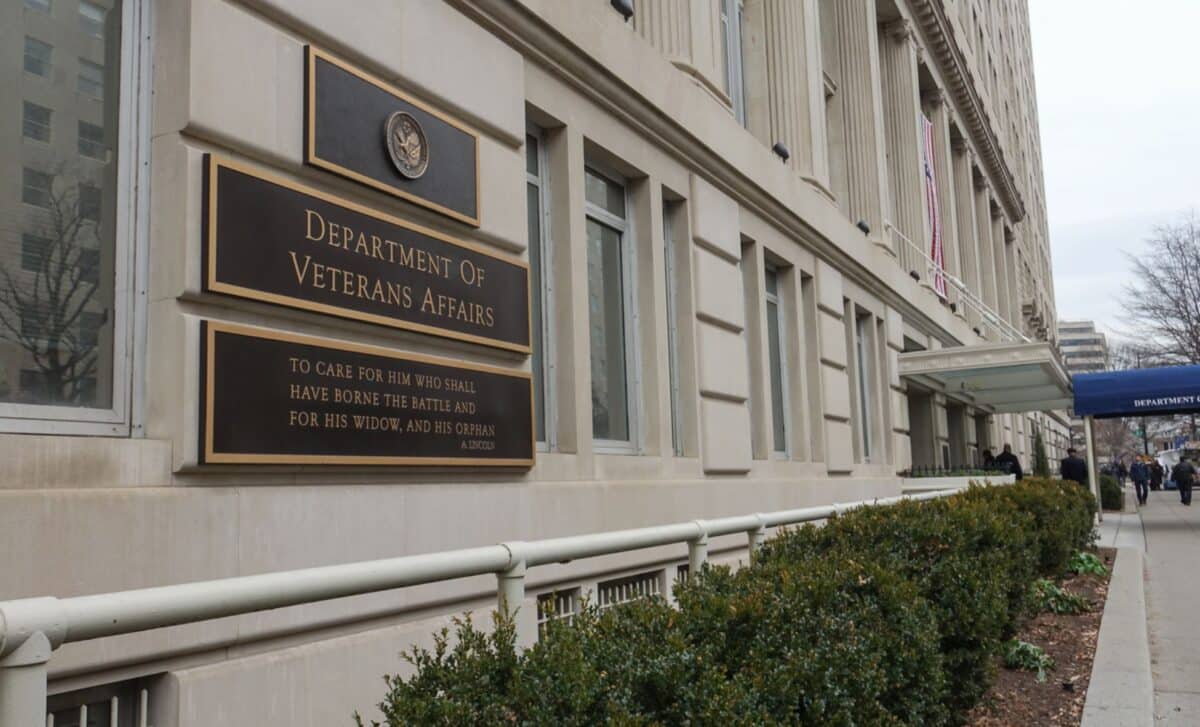
The Department of Veterans Affairs is preparing to deploy an automated artificial intelligence system that will comb through more than a million disability claims in search of fraudulent documentation. Set to launch during fiscal year 2026, the tool represents one of the most sweeping reviews of veterans’ benefits in recent memory.
At the heart of the debate is a tension familiar to large-scale automated enforcement: the risk that a system designed to catch wrongdoers will ensnare people who did nothing wrong. Veterans and their advocates are watching closely as the VA moves forward with a program that could reshape how disability claims are processed for years to come.
How the System Works and Why Veterans Are Worried
The AI tool will analyze Disability Benefits Questionnaires (DBQs), standardized forms completed by private medical providers to document the severity of a veteran’s service-connected condition. According to agency officials, the system will scan for what the VA calls “telltale signs” of potential fraud, boilerplate language repeated across submissions, unusually high volumes of near-identical forms, or documentation that appears exaggerated or inconsistent.
James W. Smith, a deputy executive director at the Veterans Benefits Administration, told a House VA subcommittee that the tool is designed to flag suspicious cases quickly for closer human review. What has alarmed advocates, however, is not just the forward-looking scope of the system, it will also re-analyze DBQs submitted as far back as 2010, meaning veterans whose claims were approved years ago under the rules at the time could suddenly face renewed scrutiny.
When a DBQ is flagged, the VA is expected to require the veteran to undergo a new compensation and pension exam. Those exams can take time to schedule, and any resulting delays carry real financial consequences for veterans who depend on monthly disability payments.
Advocates Question Whether Safeguards Are Adequate
Supporters of the initiative argue that organized fraud, particularly schemes run by third-party companies that submit nearly identical documentation across large numbers of claims, poses a genuine threat to the benefits program’s integrity. According to Alex Beene, a financial literacy instructor at the University of Tennessee at Martin, veterans who have reported honestly have little reason to worry, and the tool’s arrival is simply “a reminder to make sure you have medical verification of your condition.”
But others are less reassured. James Cameron, a Marine Corps veteran and retired benefits service officer, told Stars and Stripes that while some fraud will likely be uncovered, a significant number of legitimate DBQs will also be questioned. Drew Powers, founder of Illinois-based Powers Financial Group, went further, arguing that adequate fraud safeguards already exist and that layering a complex AI system on top of the VA’s already difficult-to-navigate rules risks doing more harm than good.
“This new initiative could allow the VA to simply deny claims without due process,” Powers said, a concern the VA has so far not directly addressed as it prepares to roll the system out.