The U.S. Department of Homeland Security (DHS) has announced a significant change in the process for hiring temporary foreign workers through the H-2A visa program, aiming to streamline administrative procedures for agricultural employers. The new rule, effective from October 2, 2025, promises to speed up the petition process, providing essential support to the U.S. agricultural sector.
The H-2A visa program, established to address labour shortages in seasonal agricultural work, has long been a lifeline for U.S. farmers. However, it has also been a point of contention within immigration debates, with critics highlighting the discrepancy between the ease of entry for low-skilled workers and the hurdles faced by high-skilled visa applicants. This recent change, while beneficial to farmers, has raised eyebrows among those advocating for a more balanced approach to immigration.
Streamlining the H-2A Process
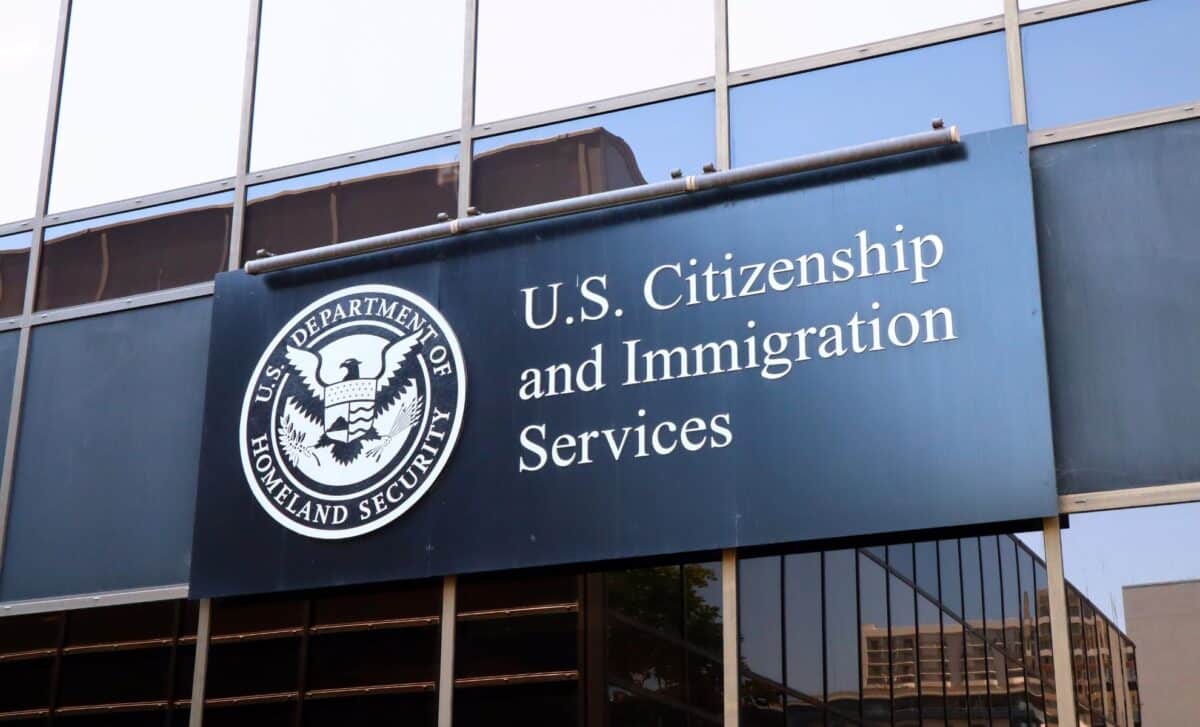
Under the new rule, U.S. Citizenship and Immigration Services (USCIS) will begin processing H-2A visa petitions even before the Department of Labor (DOL) has fully reviewed them. Previously, petitioners had to wait for DOL to approve the Temporary Labor Certification (TLC), a document that ensures no qualified U.S. workers are available to take the position. This adjustment is designed to accelerate the application timeline, helping farmers secure much-needed seasonal labour faster.
Critics, however, have expressed concerns about the implications of this change. According to USCIS spokesperson Matthew Tragesser, the shift allows USCIS to better support American farmers by ensuring a smoother transition for foreign workers.
Yet, some analysts argue that it reflects a political priority, benefiting industries like agriculture—typically supportive of Republican policies—while neglecting sectors that rely on skilled workers, such as tech and healthcare. Daniel Di Martino, a fellow at the Manhattan Institute, remarked that the move makes “low-skilled immigration easier” while complicating the process for high-skilled workers applying for H-1B visas.
A Digital-First Approach
In a further step towards modernisation, the new rule mandates the use of an electronic filing system for H-2A petitions. From October 2, petitioners must submit their requests using the newly developed Form I-129H2A through a USCIS online account. This marks a significant departure from the previous paper-based system, which many found cumbersome and slow. Paper submissions will no longer be accepted, and any filings that do not comply with the new electronic system will be rejected.
This digital shift is intended to streamline the process further, making it quicker and more efficient for employers and applicants alike. The move to an online-only system is part of USCIS’s broader efforts to modernise its immigration processes. However, the initial restrictions on who can use the online form—limiting it to unnamed beneficiaries—suggest that there may still be some teething problems as the system rolls out.