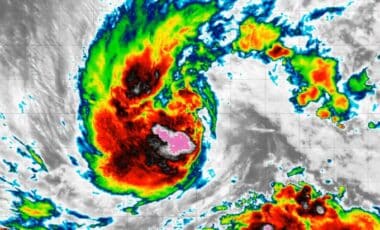
A widespread winter storm is expected to bring heavy snowfall and powerful winds to several regions across the United States this week, with forecasters warning of hazardous travel conditions.
According to the National Weather Service, snowfall totals could reach up to 20 inches in higher elevations, while wind gusts may climb as high as 60 mph in some areas. Officials are advising residents to avoid travel where conditions deteriorate. The storm system is set to impact parts of the West, Midwest-adjacent mountain regions, the Northeast, and Alaska, with advisories and watches in place through midweek and, in some locations, into Friday.
Western Mountain Ranges Brace for Heavy Snow and Strong Winds
The most severe impacts are expected in elevated terrain across California, Colorado, and Oregon, where snowfall and wind will combine to reduce visibility and complicate travel.
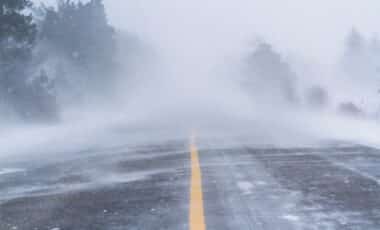
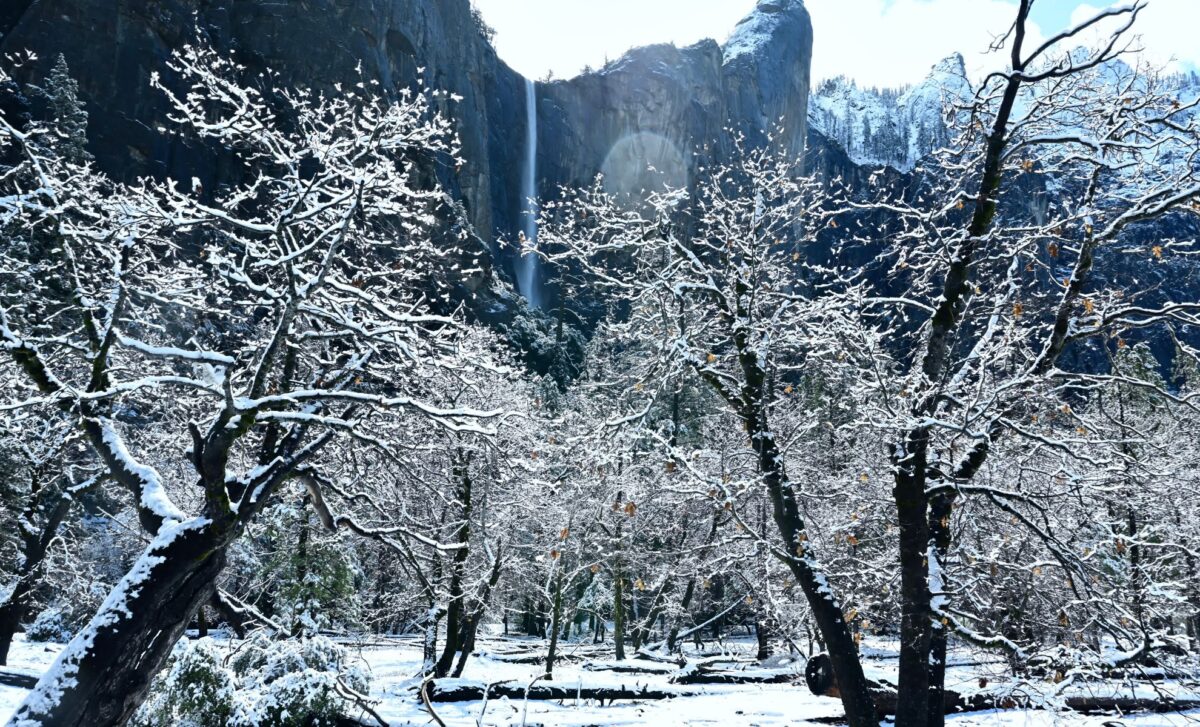
In California, the upper San Joaquin River region and Yosemite National Park face a 75 percent chance of receiving up to 6 inches of snow, along with wind gusts reaching 55 mph through early Wednesday. According to the National Weather Service, these conditions may create whiteout visibility, making driving very difficult.
Mono County is forecast to experience between 6 and 14 inches of snow above 8,000 feet, with winds up to 60 mph. Areas along and west of U.S. Route 395 are expected to receive lighter snowfall, ranging from 1 to 2 inches.
Colorado’s mountain regions are also expected to see significant accumulation. Locations including Rabbit Ears Pass, the Rocky Mountain National Park area, and the Medicine Bow Range could receive between 3 and 10 inches of snow, accompanied by winds up to 45 mph. Other ranges, such as the eastern Sawatch Mountains and the San Juan Mountains, may see between 4 and 12 inches, with gusts reaching 50 mph.
In Oregon, the Cascade Range is forecast to receive some of the highest snowfall totals. Southern areas could see between 10 and 20 inches, while northern and central sections may receive up to 18 inches. According to the National Weather Service, there is a 50 to 70 percent chance that snowfall rates will exceed one inch per hour along key mountain passes, especially from Wednesday afternoon into Thursday morning.
Multiple States Under Advisories as Storm Spreads Beyond the West
The winter system extends beyond western states, with advisories and warnings issued across parts of Montana, Wyoming, Maine, and Alaska. In Montana, up to 14 inches of snow is expected in areas such as the Elkhorn and Boulder Mountains through Thursday, with winds reaching 40 mph. Lower elevations may still receive notable snowfall, with up to 8 inches below 5,000 feet and as much as 16 inches above that level later in the week.
Wyoming’s Sierra Madre and Snowy Ranges are forecast to receive between 6 and 12 inches of snow, along with wind gusts around 45 mph. According to the National Weather Service, blowing snow and reduced visibility could quickly disorient those engaged in outdoor activities, including hiking and snowmobiling.
In Maine, northern and eastern regions may see up to 4 inches of snow and sleet between Tuesday afternoon and Wednesday morning. Alaska is expected to receive lighter snowfall, with up to 3 inches forecast across areas including Juneau, Glacier Bay, and eastern Chichagof Island.
Across affected regions, officials continue to stress that a combination of snowfall intensity and strong winds may lead to rapidly changing conditions. According to the National Weather Service, even moderate accumulations can create hazardous travel when paired with reduced visibility and gusty winds.