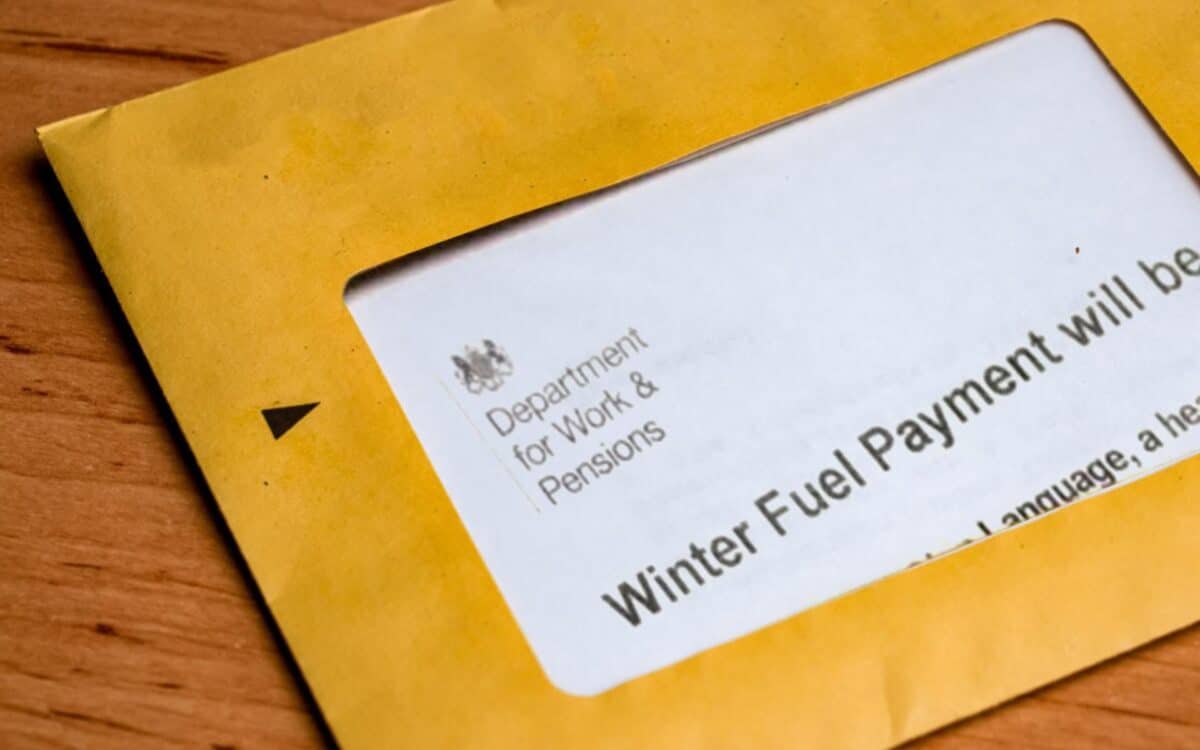
State pensioners across the UK may be at risk of losing access to the £300 Winter Fuel Payment, a seasonal allowance distributed by the Department for Work and Pensions (DWP) to help older people with heating costs. The payment, issued annually, is subject to specific eligibility rules that can affect recipients based on their income and age.
According to a report published by Birmingham Mail, a finance expert has flagged a lesser-known condition tied to how earnings are measured during a designated assessment period. Additional guidance has now been issued ahead of the next eligibility review due in September.
Earnings During a Single Week Could Affect Eligibility
According to BBC Morning Live finance expert Laura Pomfret, the payment is not unconditional and is tied to an individual’s income during a specific “qualifying week,” from September 15 to September 21.
She explained:
Eligibility is assessed during what we call the qualifying week, which is coming up. It’s the 15th to the 21st of September. And essentially the government looks at what you earn during that week, and if you earn over £673 then you won’t be eligible, but if you earn less than that—well, if you get £673 or less—you will be entitled to it.
The income threshold of £673 applies only to that one-week period, which determines whether the payment will be issued.
Automatic Payment System, but Not Without Consequences
Pomfret emphasized that the Winter Fuel Payment is sent automatically to most pensioners, noting:
This is an automatic payment. You receive it in about November, December, just when you need it, paid directly into your bank account or via the usual method where you collect your benefits or your pension.
This automatic nature can cause issues for those who unknowingly exceed the income limit.
One frustration with some people is whatever they earn, they’re going to have to get it and have to give it back – she said.
In such cases, no direct bill will be issued. Instead, recovery is made through the individual’s tax code, which adjusts automatically.
Payment Amounts Vary by Age and Household Status
The standard £300 Winter Fuel Payment may vary depending on age and household structure. Pomfret noted:
People over 80 get a higher amount, couples both entitled to a payment that live together, get a different amount, and most people won’t need to do anything.
Eligibility is generally limited to those born before September 23, 1959, which includes anyone aged 66 and above.
How to Formally Opt Out Before the Deadline
Pensioners who know they will exceed the income limit have the option to opt out of the payment in advance to avoid repayment complications.
Pomfret explained:
If you want to do this, you need to formally opt out and so you need to go within 10 days before this 15th of September deadline to gov.uk and you search winter fuel payment, opt out, and you fill in a really short form, and this is how you can opt out and not get given it, but you have to do it before midnight on the 15th of September.
Contact Options and Closing Times
Those who prefer not to use the online service can opt out by calling the Winter Fuel Payment Centre at 0800 731 0160.
She added:
Now if you don’t want to do it online and you prefer to ring someone, you can ring the winter fuel payment centre to tell them directly, you have to do it by 6pm because they shut, they’re not going to be on the phones until midnight, I’m afraid.
The online deadline is midnight, while telephone lines close at 6:00 p.m., making the timing critical for those planning to take action.
Timing and Awareness Are Key for State Pensioners
The Winter Fuel Payment is a valuable seasonal benefit for many state pensioners, but its automatic nature and income-based assessment can lead to unintended consequences for those unaware of the £673 threshold during the qualifying week.
With the deadline rapidly approaching, eligible individuals are urged to review their earnings and take timely action if they expect to exceed the limit.