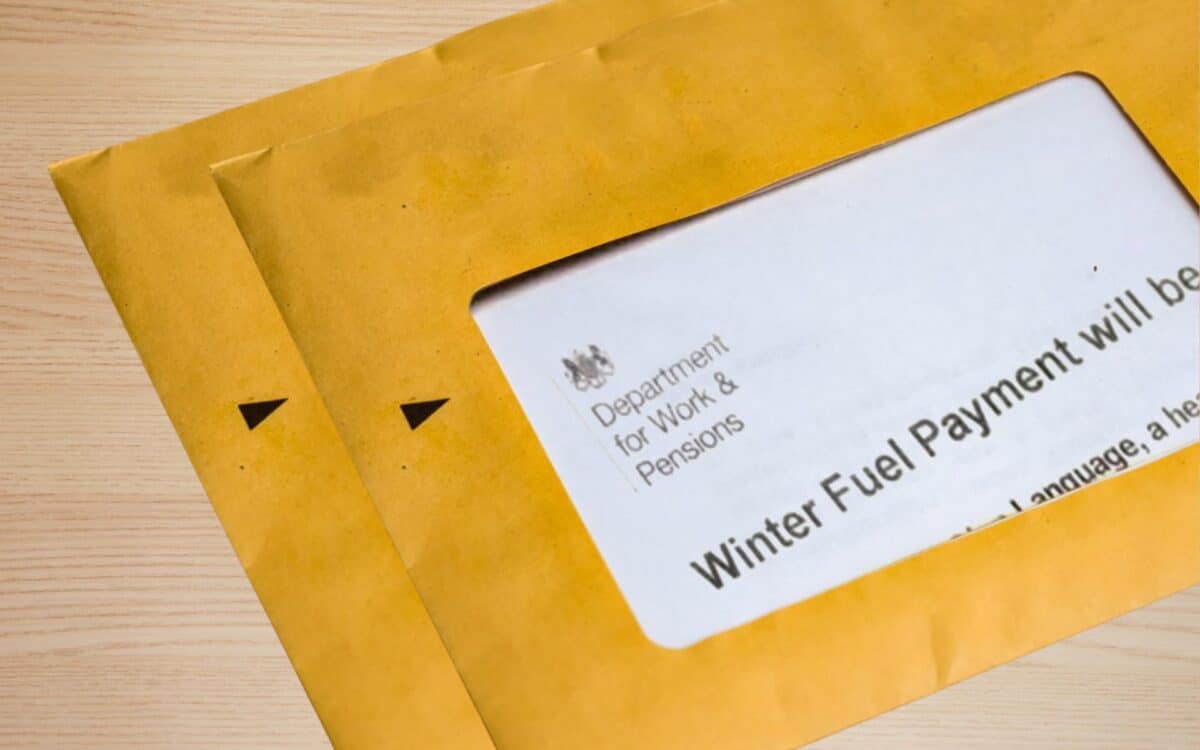
Millions of pensioners could miss out on the 2025 Winter Fuel Payment due to updated eligibility criteria and a strict income threshold that will be applied during a specific reference period. The payment, which supports older households with heating costs, is now subject to means testing for the first time in years.
According to DevonLive, the changes affect those earning above a set weekly amount, and a crucial qualifying week is approaching rapidly. On BBC Morning Live, finance expert Laura Pomfret outlined the main updates, while also clarifying some widely misunderstood aspects of how the Winter Fuel Payment will be assessed.
The Payment Is Back—but Not for Everyone
After nearly 9 million state pensioners were left out in 2024, the Winter Fuel Payment has been reinstated by Chancellor Rachel Reeves for the coming winter. But there’s a catch: unlike in previous years, the scheme is now means-tested.
That means not everyone above state pension age will receive the money this time around. Those earning over £35,000 per year in taxable income—including pensions, employment, and savings interest (excluding ISAs)—will either be ineligible or have to repay the amount through their tax code.
Who Qualifies and How Much Is It?
In most cases, payments will arrive automatically—no forms, no applications. As Pomfret explained:
People over 80 get a higher amount, couples both entitled to a payment that live together, get a different amount, and most people won’t need to do anything. This is an automatic payment. You receive it in about November, December, just when you need it—paid directly into your bank account or via the usual method where you collect your benefits or your pension.
The Winter Fuel Payment is worth between £100 and £300, depending on age and living situation. This year, to qualify, you must have been born before 23 September 1959—which includes anyone aged 66 or older by the qualifying date.
Qualifying Week: How £673 Could Make or Break Your Eligibility
The government uses a specific reference window to determine eligibility, known as the qualifying week. This year, that runs from 15 to 21 September. During this period, your income is assessed.
Pomfret broke it down clearly:
Eligibility is assessed during what we call the qualifying week, which is coming up. It’s the 15th to the 21st of September. And essentially the government looks at what you earn during that week, and if you earn over £673, then you won’t be eligible. But if you earn less than that—well, if you get £673 or less, you will be entitled to it.
This specific threshold has confused and frustrated some people, especially those whose weekly income fluctuates or barely crosses the limit. Pomfret acknowledged this concern:
That’s just over a week away, so one frustration with some people is whatever they earn, they’re going to have to get it—and then have to give it back.
If You’re Over the Threshold, You Won’t Get a Bill—but You Will Repay It
In cases where someone receives the payment and later turns out to be ineligible, there’s no invoice or formal collection notice. Instead, the repayment is handled quietly through HMRC.
As Pomfret explained:
You won’t receive a bill for it. If you have to pay it back, it’ll come back through your tax code.
This change might catch some people off guard—especially those who don’t regularly monitor adjustments to their tax coding.
Want to Opt Out? Here’s How—and When
If you already know your income will disqualify you—or you simply don’t want the payment—you can opt out, but there’s not much time left.
If you want to do this, you need to formally opt out and so you need to go within 10 days before this 15th of September deadline to gov.uk. You search ‘winter fuel payment opt out’ and you fill in a really short form, and this is how you can opt out and not get given it. But you have to do it before midnight on the 15th of September.
Prefer to handle things by phone?
Now if you don’t want to do it online and you prefer to ring someone, you can ring the Winter Fuel Payment Centre to tell them directly. You have to do it by 6pm, because they shut—they’re not going to be on the phones until midnight, I’m afraid. But that’s 0800 731 0160.
This subtle distinction is easy to miss, but important: online opt-out closes at midnight, phone support ends at 6pm.