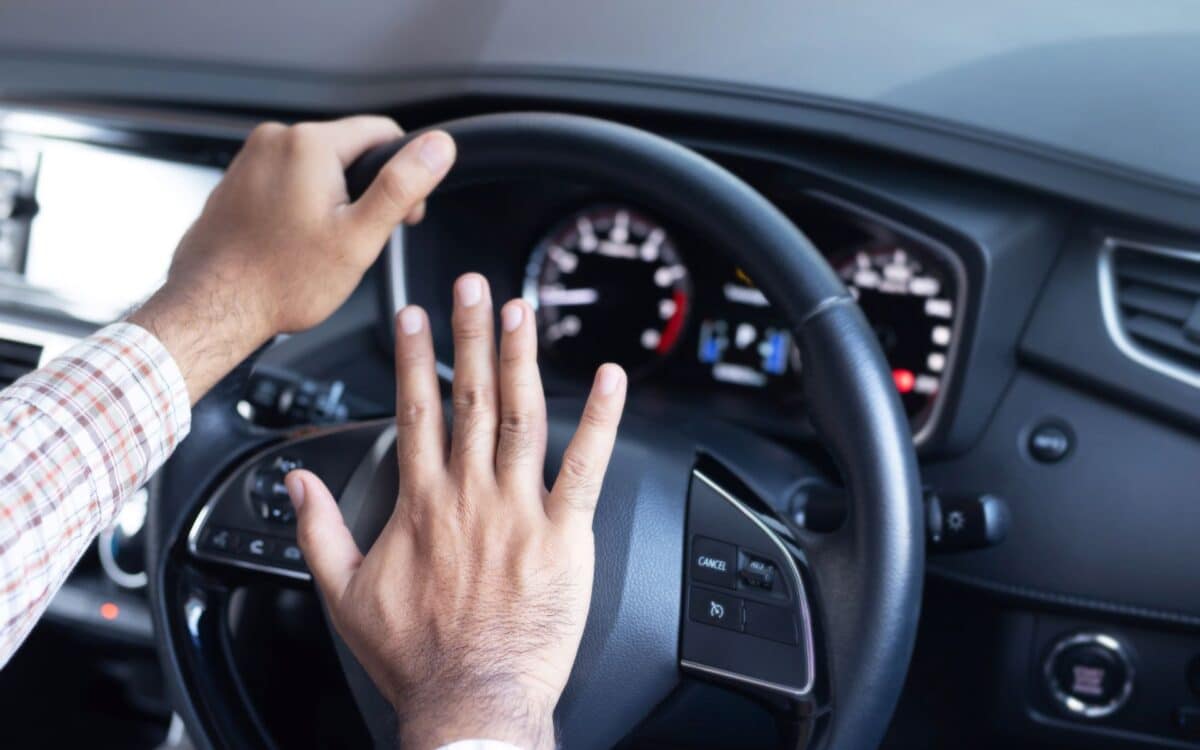
Motorists across the UK are being reminded that honking a car horn near a horse can result in a £1,000 fine, in accordance with the UK Road Traffic Act. The regulation aims to prevent road incidents involving equestrians by emphasizing drivers’ responsibilities when sharing the road with vulnerable road users such as horse riders.
According to a report by Oxford Mail, campaigners and road safety groups are increasing efforts to raise awareness among drivers, particularly in rural areas where interactions with horses remain common. The guidance highlights the legal expectations for drivers without revealing extensive details about enforcement or case numbers.
Horses Have Legal Priority on the Road
The Highway Code is explicit: horses and their riders have legal priority and must be treated with extreme caution. Drivers are instructed not only to slow down and give way, but also to recognize the elevated risk that even small disturbances can pose to riders and animals alike. According to Rule 215 of the Highway Code:
“When passing animals, drive slowly. Give them plenty of room and be ready to stop.
Do not scare animals by sounding your horn, revving your engine or accelerating rapidly once you have passed them.”
“Look out for animals being led, driven or ridden on the road and take extra care.
Keep your speed down at bends and on narrow country roads.
If a road is blocked by a herd of animals, stop and switch off your engine until they have left the road.”
The £1,000 fine applies specifically when drivers fail to follow these instructions, especially the use of a car horn which may frighten a horse into bolting.
Thousands of Incidents Underline Growing Concern
Figures from the British Horse Society highlight the ongoing danger on rural roads. In 2023, there were:
- 3,383 horse-related road incidents reported
- 85 horses killed
- 66 riders injured
These statistics reinforce the fact that many drivers remain unaware of how easily a routine drive can turn dangerous when encountering horses.
Horse Behavior Demands Extra Caution
Horses are prey animals. They can bolt—a sudden and uncontrolled sprint—when startled by unexpected noises, such as honking horns or revving engines. This reaction can place the rider, the animal, and surrounding motorists in immediate danger.
As a Discount Equestrian spokesperson explains:
“It often surprises drivers to learn that horses have priority on the road, but recognising that fact is the key to preventing serious accidents.”
How to Correctly Pass a Horse
To minimize risk, the Highway Code and safety advocates offer detailed guidance. Drivers should:
- Slow to 10–15mph when approaching a horse
- Leave at least two meters of clearance
- Avoid revving the engine, sounding the horn, or accelerating rapidly after passing
These steps are designed to reduce the chances of startling the horse and ensure the safety of all parties.
Discount Equestrian’s Three Golden Rules
Discount Equestrian has published a simple set of best practices under the title “three golden rules for drivers”:
- Remember: horses have priority – be ready to give way.
- Pass wide and slow – think ‘dead slow, wide and quiet.’
- Treat horses as you would cyclists: give space, be patient and wait until safe to overtake.
These guidelines aim to remind drivers that a calm, patient approach is the most effective way to prevent conflict or injury.
Growing Rural Traffic Heightens the Risk
Horse riders remain a frequent sight on Britain’s country lanes. With rural roads busier than ever, especially during weekend getaways and holidays, the likelihood of encountering horses is increasing. Traffic volumes in countryside areas continue to climb, creating more opportunities for potentially dangerous interactions if drivers are not alert and informed.
04 Drivers Urged to Take Responsibility
The message is clear: it only takes one loud horn or a moment of impatience to provoke a reaction with serious consequences. For 04 drivers—delivery workers, transporters, agricultural operators—the risk is even greater, given frequent travel on narrow, rural routes.
All road users must treat horses as legitimate, priority road users and respond accordingly. Respecting the Highway Code not only avoids a £1,000 fine, but also protects lives.
Staying calm, giving space, and keeping noise to a minimum may seem like small actions, but they carry significant weight in equestrian road safety.