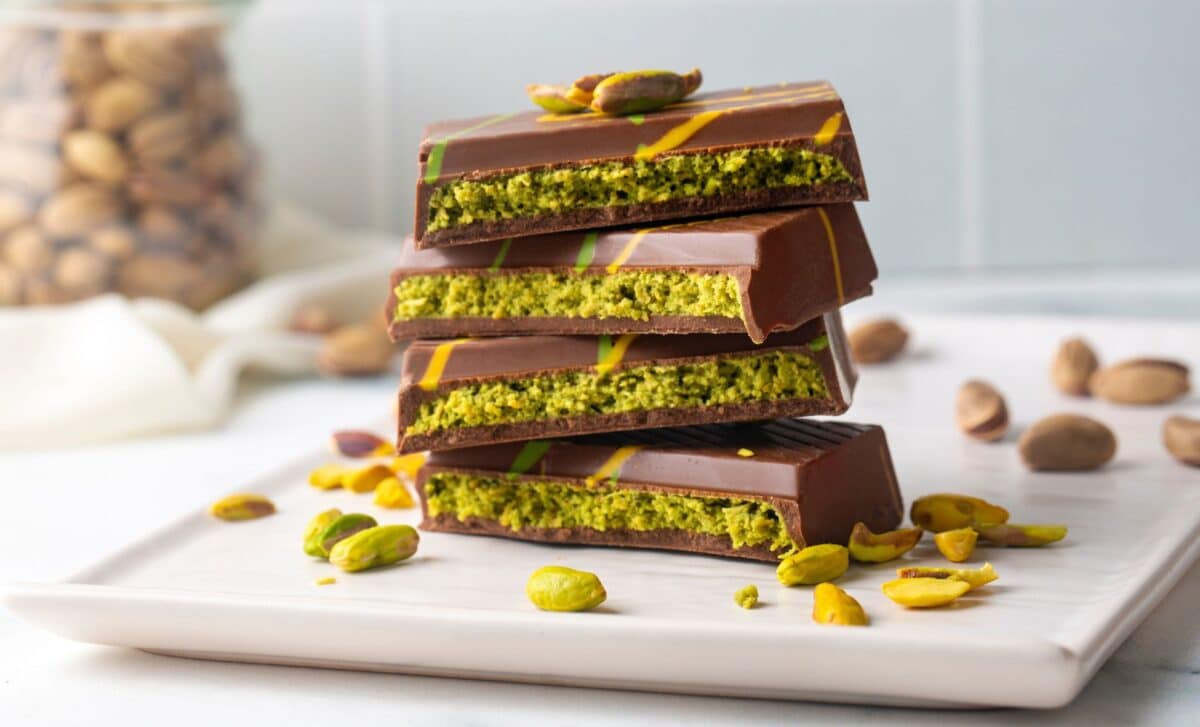
This growing food safety concern has led to heightened scrutiny of Dubai-style chocolate, a popular confectionery made with pistachios, tahini, and crispy filo pastry. While many consumers enjoy this trendy snack, health experts are increasingly sounding the alarm about the risks it poses to those with allergies, especially to peanuts and sesame. As Christmas approaches, the FSA’s warning has come at a crucial time, as many Britons purchase these chocolates as festive treats or gifts.
Allergen Risks in Dubai-Style Chocolate
Dubai-style chocolate, often known for its blend of rich pistachio paste and delicate filo pastry, has become a hit on social media and in supermarkets across the UK. Created by British-Egyptian chocolatier Sarah Hamouda, the treat rose to fame last year, captivating chocolate lovers worldwide. However, according to the FSA, some of these products fail to meet the stringent UK food safety standards.
The FSA has found that several samples of Dubai-style chocolate contain undeclared allergens, including peanuts and sesame. These allergens, which may be life-threatening to individuals with allergies, are not listed on the product labels, making them potentially hazardous to unsuspecting consumers.
Rebecca Sudworth, the FSA’s Director of Policy, emphasised the importance of consumers being cautious, particularly when purchasing these products as gifts. “People with an allergy should not eat Dubai-style chocolate,” Sudworth advised, warning that even small amounts of these allergens could trigger severe allergic reactions.
Risks to Consumers: Undeclared Additives and Contaminants
The safety issues surrounding Dubai-style chocolate extend beyond allergens. According to the FSA, some products have been found to contain illegal food dyes and other harmful additives, which may include carcinogenic chemicals or toxins produced by moulds. These contaminants not only pose health risks but also breach UK food safety regulations. The FSA is currently reviewing samples from a range of products available in the UK to determine if these chocolates meet the required safety standards.
Jessica Merryfield, head of policy at the Chartered Trading Standards Institute (CTSI), also voiced concern over the breach of labelling laws. “The legal requirements on this are clear,” she said. “Any food containing allergens needs to be clearly identified and labelled as such to allow consumers to make informed and safe choices.” Failure to properly label allergens can make these products unsafe, particularly for children who are more vulnerable to severe allergic reactions.
For those still interested in purchasing Dubai-style chocolate, the FSA has recommended buying only from reputable retailers. Consumers are also advised to check labels carefully for ingredient lists, allergen information, and product origins. If the product lacks clear labelling or if it’s imported without the appropriate safety checks, it’s better to avoid it entirely, especially for those with known food allergies.
A Call for Stricter Food Safety Compliance
As the holiday season approaches, there is an increasing demand for novelty sweets, making it crucial for consumers to remain vigilant. The FSA’s ongoing investigation into Dubai-style chocolate will continue, with further sampling and testing of products already on the market. In the meantime, the advice is simple: for anyone with food allergies, especially those involving peanuts, sesame, or other common allergens, it’s best to avoid these products altogether.
The risks associated with these chocolates are not just a matter of inconvenience, they can be life-threatening. Anaphylaxis, a severe allergic reaction that can cause swelling of the airways and even cardiac arrest, is a particular concern. As such, the FSA’s warning serves as an urgent reminder for consumers to always read labels and purchase food products from reliable, transparent sources.