
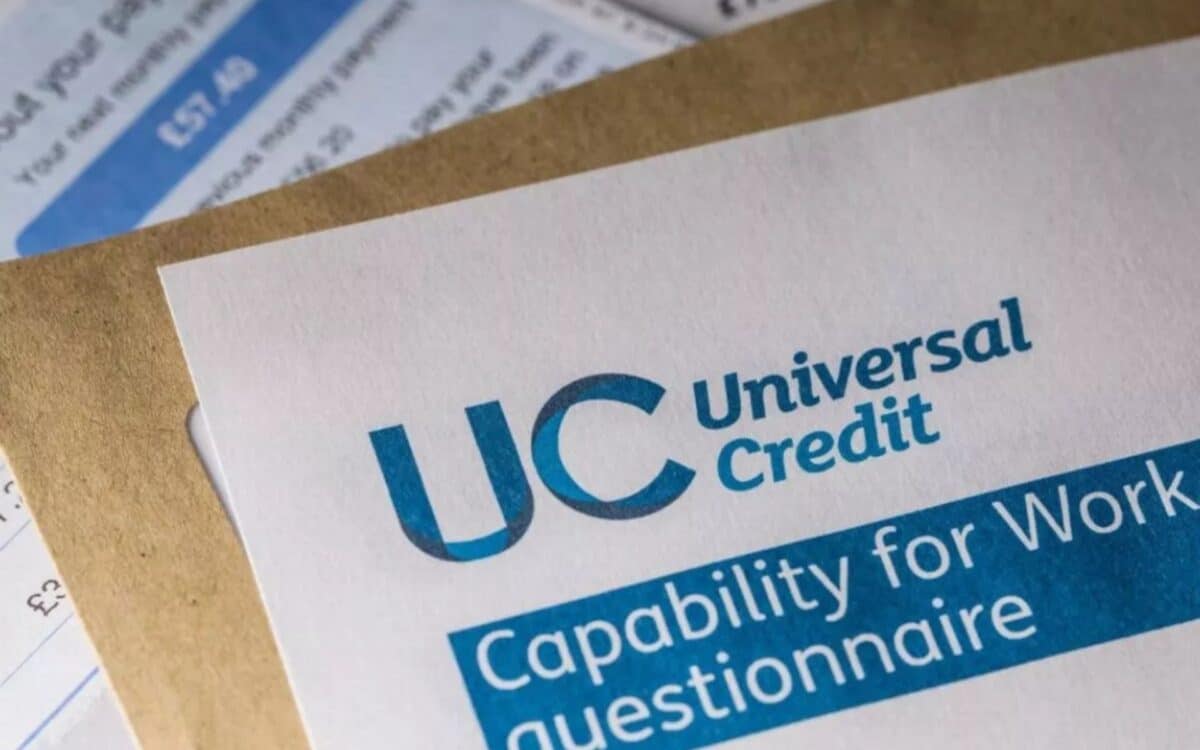
From April 2026, sweeping changes to Universal Credit will come into effect following the approval of the Universal Credit Act, a new piece of legislation officially granted Royal Assent last month. The UK Government says the changes aim to modernize the welfare system, support more people into employment, and ensure the benefits structure remains sustainable for future generations.
Key elements include increases to the standard allowance, cuts to certain disability-related payments for new claimants, and a significant employment support program rollout.
The reforms were confirmed by the Department for Work and Pensions (DWP), which highlighted the scale of the impact on sick, disabled, and unemployed individuals currently receiving support under the existing system.
Universal Credit Standard Allowance Will Rise Above Inflation From 2026
The Universal Credit Act outlines that the standard allowance will increase above inflation over four financial years starting in 2026/27. By 2029/30, this allowance will be 4.8% higher than it would have been under the usual Consumer Price Index (CPI)-based adjustments. This approach marks a departure from past practice and is meant to provide greater financial stability to claimants amidst rising living costs.
In addition, a protected cohort has been established to ensure those already receiving higher levels of support are not negatively impacted. This group includes individuals receiving the LCWRA (Limited Capability for Work and Work-Related Activity) element as of 5 April 2026, and new claimants after that date who are diagnosed with terminal illnesses or severe, lifelong conditions.
For these individuals, both their standard allowance and LCWRA component will continue to increase in line with inflation through 2029/30.
LCWRA Payments Slashed For New Claimants, LCW Rate Frozen
While some Universal Credit claimants will see increases, others will face reductions. From April 2026, the LCWRA element will be nearly halved for most new claimants, dropping from £432.27 to £217.26 per month. This amount will then be frozen each year through to 2029/30, meaning its real-term value will diminish over time.
Additionally, the LCW (Limited Capability for Work) rate — a lesser-known benefit for those with milder conditions — will also be frozen annually starting in 2029/30. This decision could affect a significant portion of future claimants, as it reduces the long-term financial support available to people with ongoing, but less severe, barriers to employment.
The Government maintains that these measures are intended to discourage long-term reliance on benefits and instead incentivize people to return to the workforce wherever possible.
£338 Million Connect To Work Program Targets Barriers To Employment
Complementing the benefit changes is a new £338 million investment into the Connect to Work scheme, which aims to assist people facing complex employment challenges. According to the Manchester Evening News, the program will offer personalized support to 85,000 individuals in 15 areas across England, including London, South Yorkshire, and Greater Essex.
Over the next five years, around 300,000 people across England and Wales are expected to benefit from the initiative. Support will be delivered through employment coaching, job-matching services, and in-work assistance to help people not just find jobs but remain in them.
Referrals to the program can be made by healthcare professionals, local authorities, voluntary sector organizations — or by individuals themselves, a detail seen as critical for improving accessibility for vulnerable populations.
The government says this localized and tailored approach is designed to address root causes of unemployment more effectively than blanket national programs. Still, critics argue that real progress depends on sustained funding, quality of delivery, and a benefits system that doesn’t penalize those genuinely unable to work.