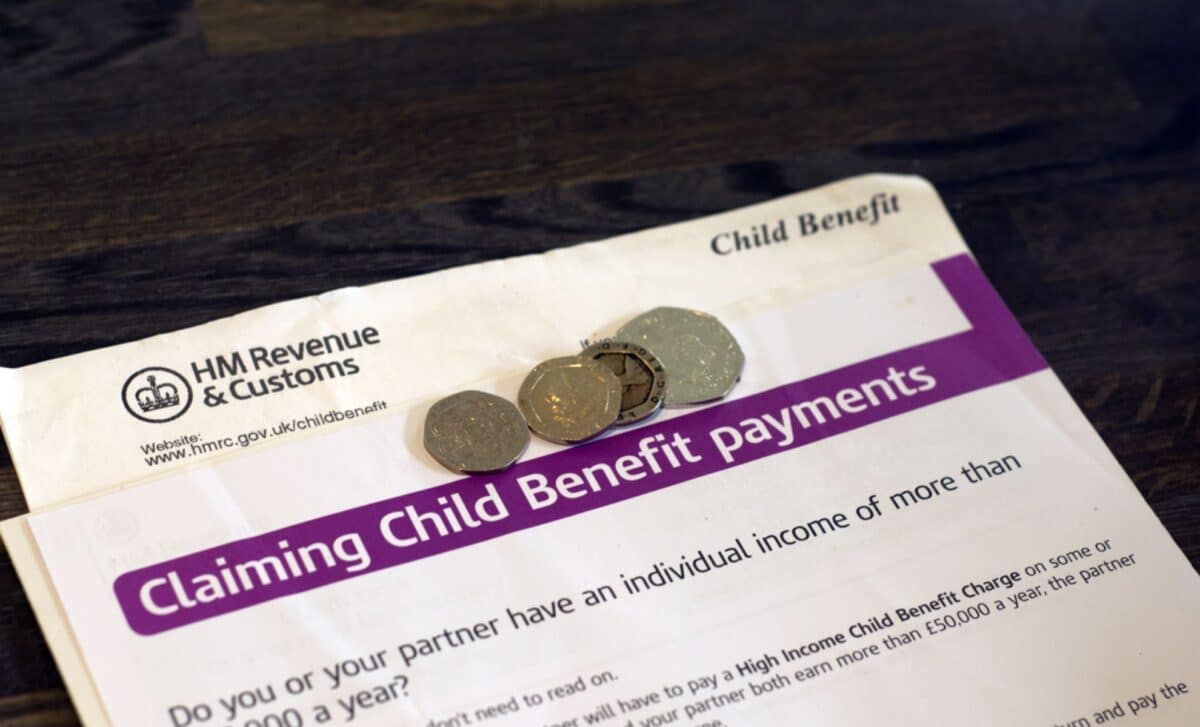
Universal Credit claimants will soon see a significant increase in their payments, following the announcement by Labour’s Chancellor, Rachel Reeves, of a major rule change. As of April, the removal of the two-child benefit cap will allow families with more than two children to claim additional funds for their third, fourth, and subsequent children.
The two-child cap, which limits the amount of benefits that can be claimed for children beyond the first two, has been a controversial policy since its introduction. Labour’s decision to scrap it is being hailed as a significant step towards addressing child poverty. Parents with larger families stand to gain hundreds of pounds in additional support each month.
The Impact of the Policy Change on Families
Starting in April, families with more than two children will be able to claim extra Universal Credit for their third and subsequent children. The new rate for children born after April 2017 will be set at £303.94 per child, a notable rise from the previous payment structure. This policy change is expected to result in parents with four children receiving up to £608 more per month in Universal Credit payments. For those with larger families, the financial assistance will be even greater.
The move to remove the two-child cap comes after years of criticism from welfare advocacy groups, who argue that the policy has pushed many families into deeper poverty. The policy shift is estimated to impact over 1.6 million children, with Labour hoping it will alleviate some of the financial burdens faced by struggling households.
While the policy is welcomed by many, particularly those who will directly benefit, its cost is expected to be high. Removing the cap will lead to a significant increase in government spending on welfare, a point of contention for political opponents. Critics, particularly within the Conservative Party, argue that increasing welfare payments could create unfair incentives and burden taxpayers with excessive costs. They have expressed concerns that the policy might not be sustainable in the long run.
Labour’s Strategy to Tackle Poverty
The scrapping of the two-child cap forms part of Labour’s broader strategy to reduce child poverty across the UK. According to experts, lifting the cap will help alleviate financial strain on families living in poverty, particularly those in low-income areas. Antonia Medlicott, founder of Investing Insiders, stated that the move would be widely welcomed by parents who have faced difficulties under the current system. Labour claims that this change could lift hundreds of thousands of children out of poverty, aligning with their broader social welfare objectives.
While the intention behind the policy is clear, to improve the financial stability of low-income families, there are still concerns about the potential long-term consequences. The increased government spending required to fund these changes could lead to higher taxes or cuts in other areas of public spending, according to some analysts. The debate over how best to address poverty continues to be a central issue in UK politics.
As Labour pushes forward with these changes, the focus will now shift to how the government plans to manage the associated financial pressures. The new policy may provide much-needed support to struggling families, but it raises important questions about the balance between welfare support and fiscal responsibility.