
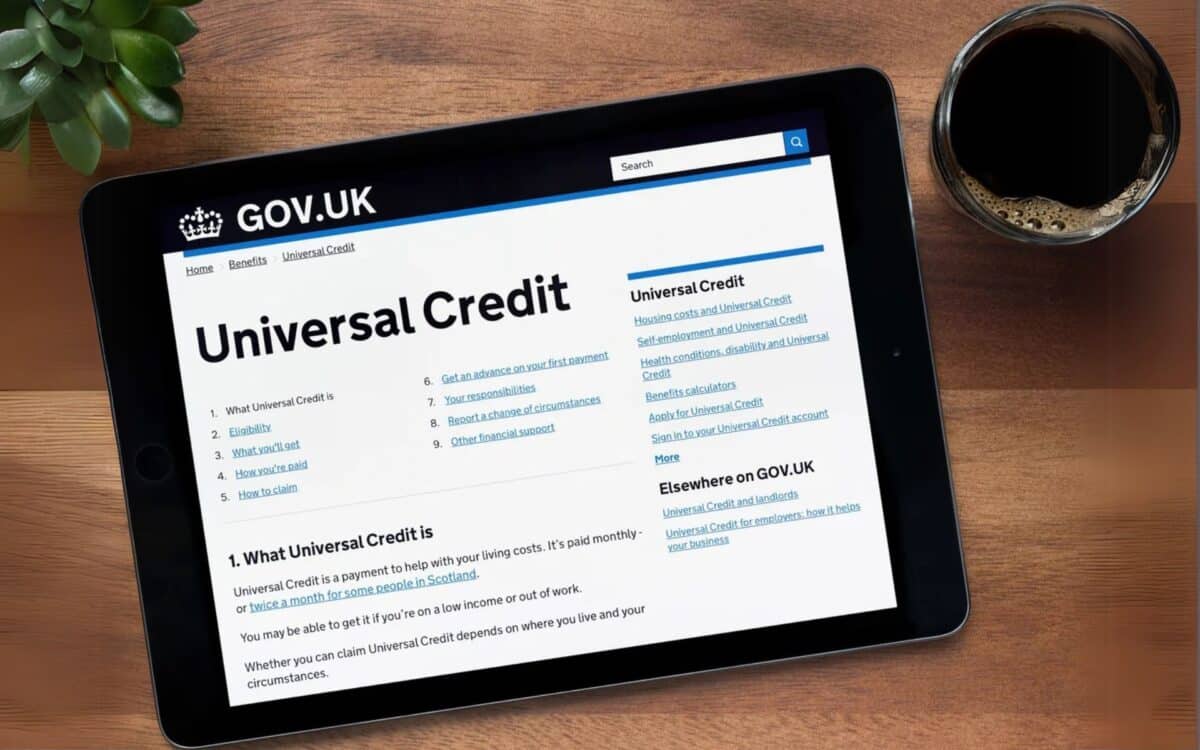
The total number of people receiving Universal Credit in the UK has reached 8 million, an increase from 6.9 million in July 2024, according to the Department for Work and Pensions (DWP). This benefit is designed to support individuals with low or no income, regardless of their employment status.
Midway through its recent coverage, the Daily Record notes that some claimants may be entitled to additional financial support, depending on individual circumstances. When combined with other allowances such as Personal Independence Payment (PIP) or Adult Disability Payment (ADP), Universal Credit payments could in some cases amount to £1,149.94 per month.
Detailed Universal Credit Rates and Combined Support With PIP/ADP
Universal Credit is a means-tested benefit intended to help people with their living costs. It is available to individuals both in and out of work with low income. The current standard monthly rates for Universal Credit are:
- Single claimant under 25: £316.98
- Single claimant aged 25 or over: £400.14
These payments can be significantly increased through additional non-means-tested support such as PIP or ADP. If a claimant is awarded the enhanced rates for both the daily living and mobility components, they could receive £749.80 every four weeks on top of their Universal Credit. This brings the total monthly amount to £1,149.94 for those qualifying under the highest levels of support.
Exact Weekly Pip and Adp Payment Rates
PIP and ADP are paid based on how a condition affects a person’s ability to function, rather than the diagnosis itself. The weekly amounts are as follows:
Daily Living component:
- Standard rate: £73.90
- Enhanced rate: £110.40
Mobility component:
- Standard rate: £29.20
- Enhanced rate: £77.05
Payments are issued every 28 days. In cases of terminal illness, payment is made weekly.
Who Qualifies and How Assessments Are Made
To qualify for PIP or ADP, individuals must have experienced difficulties with daily living or mobility for at least three months and expect these difficulties to continue for at least nine months. In most cases, claimants must also have lived in the UK for at least two of the past three years.
Assessments are carried out by the Department for Work and Pensions or Social Security Scotland and take into account whether each activity can be performed safely, how long it takes, how often the condition affects the activity, and whether assistance is required—either from another person or through the use of equipment.
The assessment focuses on several key areas, including preparing and eating food, managing medication, personal hygiene and dressing, making decisions about money, planning or following a route, moving around, and communicating or understanding information.
Medical Categories Most Represented Among Claimants
At the end of April 2025, the DWP reported the number of claimants by main health condition as follows:
- Psychiatric disorders: 1,444,016
- Musculoskeletal disease (general): 707,084
- Neurological disease: 476,659
- Musculoskeletal disease (regional): 447,794
- Respiratory disease: 138,428
These conditions are part of over 530 classified by the DWP under broader categories, including:
- Haematological disease
- Infectious disease
- Malignant disease
- Metabolic disease
- Psychiatric disorders
- Neurological disease
- Visual disease
- Hearing disorders
- Cardiovascular disease
- Gastrointestinal disease
- Liver, gallbladder, and biliary tract diseases
- Skin disease
- Musculoskeletal disease (general and regional)
- Autoimmune disease (connective tissue disorders)
- Genitourinary disease
- Endocrine disease
- Multisystem conditions and extremes of age
- Diseases of the immune system
How to Apply for PIP or ADP
For PIP:
- Apply via phone through the DWP.
- Applicants need: contact details, date of birth, National Insurance number, bank account details, GP or health professional’s contact, and any relevant hospital or care home information.
For ADP in Scotland:
- Applications can be made by phone, online, or by post through Social Security Scotland.
- The contact number is 0800 182 2222.
Assessments for PIP may take place face-to-face, by video, by phone, or on paper, depending on what the DWP deems most appropriate. ADP assessments, however, are not face-to-face unless the applicant requests it.
Additional Benefits Linked to PIP or ADP
An award of PIP or ADP may unlock access to further public support, including:
- Help with housing costs
- Council Tax reduction
- Public transport discounts or exemptions
- Other means-tested benefits