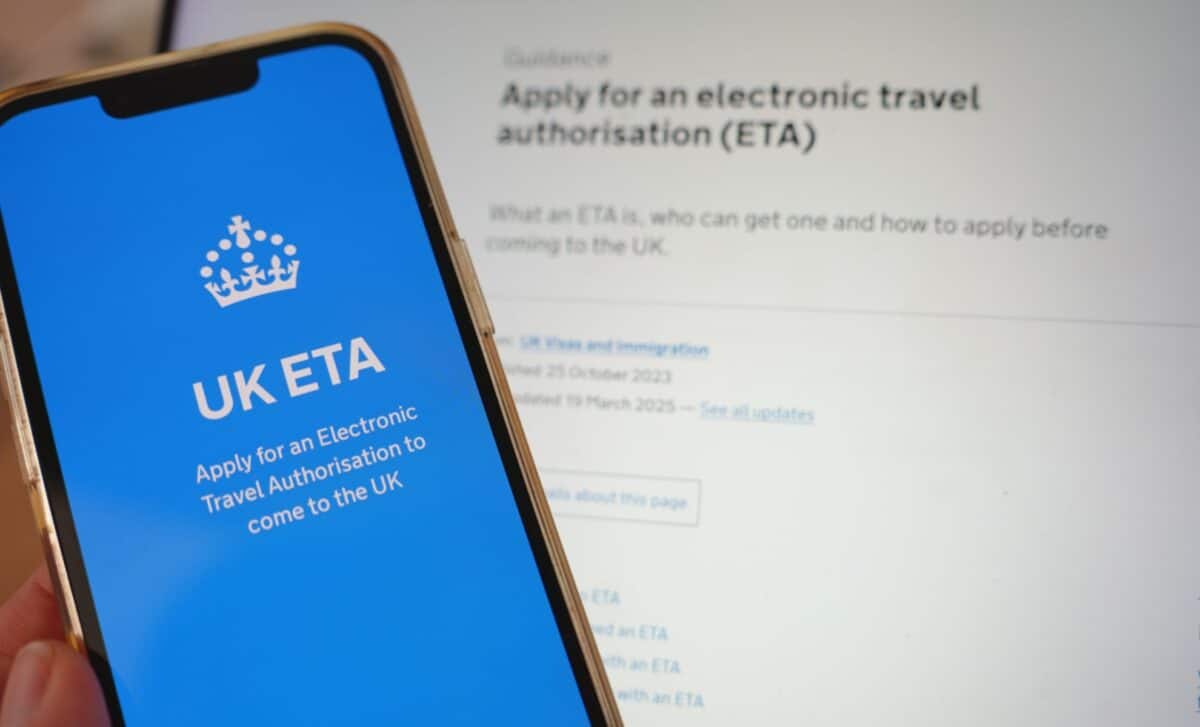
From 25 February, an Electronic Travel Authorisation (ETA) will become a legal requirement for certain visitors. The £16 document allows entry for tourism, family visits, business trips and short-term study for up to six months, subject to border approval.
The change marks a significant shift in how the UK manages short-term entry. While many travellers are accustomed to visa-free visits, eligibility will now depend on nationality and the purpose of travel. According to London Heathrow Airport, which issued a reminder this week, “Starting 25 February, whether your final destination is the UK or you are connecting via Heathrow, eligible visitors will need an ETA (Electronic Travel Authorisation).”
The airport directed passengers to GOV.UK for full details, underscoring that preparation in advance will be essential to avoid disruption at check-in or arrival.
Who Needs an ETA and Who Is Exempt
According to official Government advice, most visitors will require either an ETA or a visa to enter the UK, depending on their nationality and reason for travel. An ETA is generally required for travellers coming from Europe, the United States, Australia, Canada and certain other countries.
Each individual traveller must hold their own ETA, including babies and children. This means a family of four would typically pay £64 in total, while a family of six would pay £96. Applications can be made on behalf of others.
There are several exemptions. According to the UK Government, British and Irish citizens do not need an ETA. Nor do those who already hold a UK visa or have permission to live, work or study in the country, including individuals with settled or pre-settled status or right of abode.
Passengers transiting through a UK airport without passing through border control are also exempt, though travellers are advised to check with their airline if unsure. Other exemptions include holders of British Overseas Territories citizen passports and British National (Overseas) passports, residents of Ireland travelling from Ireland, Guernsey, Jersey or the Isle of Man, and children travelling on the France-UK school trip travel information form. Individuals awaiting a decision on an EU Settlement Scheme application are also listed among those not required to obtain an ETA.
What the ETA Permits and What It Does Not
The ETA permits stays of up to six months for tourism, visiting family and friends, business trips or short-term study. It also allows entry for up to three months under the Creative Worker visa concession and for permitted paid engagements. Travellers may use it to transit through a UK airport even if they pass through border control.
There are clear limits. The Government states that an ETA does not allow stays longer than six months, nor does it permit paid or unpaid work for a UK company or as a self-employed person, unless covered by a permitted paid engagement or the Creative Worker concession. Claiming public funds is prohibited, as is living in the UK through frequent or successive visits. Those intending to marry or register a civil partnership must instead apply for a Marriage Visitor visa.
Officials also stress that holding an ETA does not guarantee entry. Individuals with a criminal record or who have previously been refused entry are advised to consider applying for a Standard Visitor visa instead. Applications can be made online or through the UK ETA app. Travellers must provide a valid passport, an email address and a payment method, including Apple Pay or Google Pay. The £16 fee is non-refundable once the application has been submitted.