
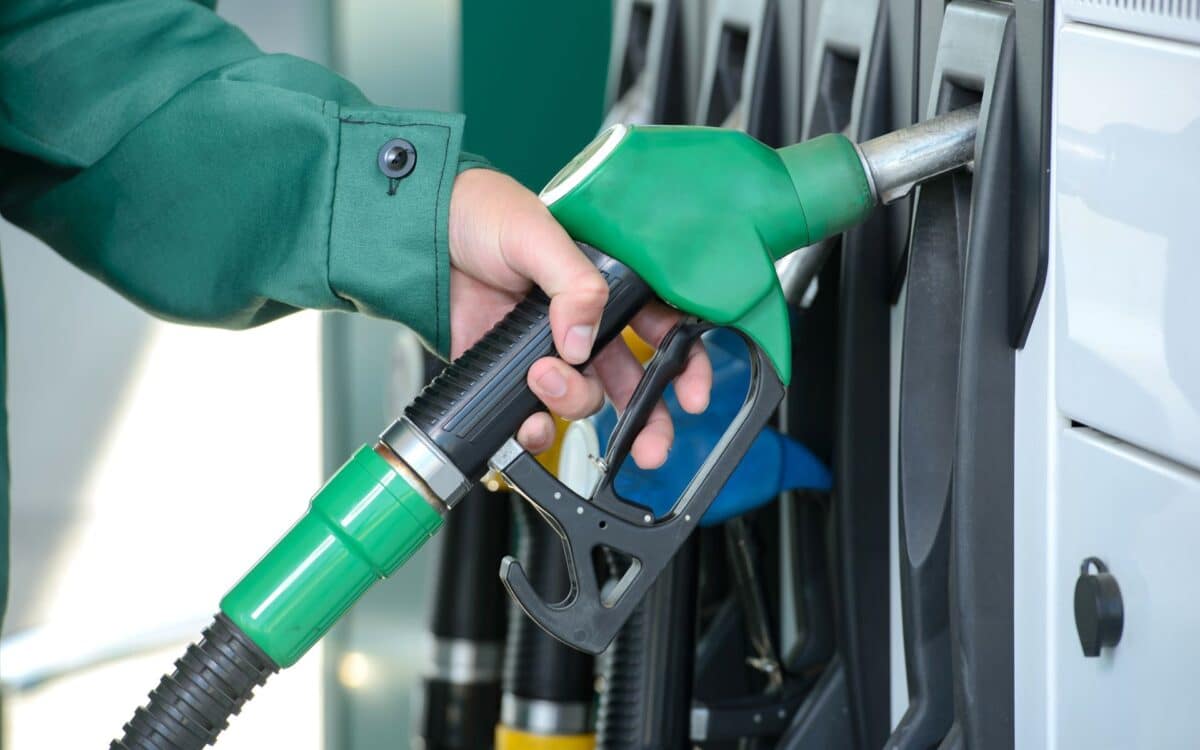
UK motorists are facing a significant rise in fuel prices following a major policy change. The government has announced the end of the long-standing freeze on fuel duty, and drivers will be forced to pay higher prices at the pump in the near future. While this decision has been made with the aim of addressing the growing budget deficit, it has sparked strong reactions from both politicians and the public. In this article, we will delve into the details of the fuel duty increase, explore the broader economic context, and examine the new charges set to affect electric vehicle (EV) owners as well.
Fuel Duty Freeze Ends: What It Means For Petrol Prices
For more than 15 years, UK motorists have enjoyed a freeze on fuel duty. This tax, which forms part of the price of petrol and diesel, has been fixed at 52.95p per litre since 2011. During this period, the freeze was extended multiple times, most notably in 2022, when the duty was even reduced by 5p per litre to alleviate the financial pressure caused by rising fuel costs in the wake of Russia’s invasion of Ukraine.
However, this freeze is now set to end. According to Express.co.uk, UK Chancellor Rachel Reeves has confirmed that from September 2026, fuel duty will start to rise again in line with inflation. This will mark the first increase in over 15 years. The planned rise will happen in stages: starting with a 1p per litre increase in September 2026, followed by another 2p increase on December 1, 2026, and March 1, 2027. By 2027, the fuel duty rate will have reached 57.95p per litre, a significant hike compared to the current rate.
The impact of these rises will be felt by millions of motorists, with higher fuel costs affecting both everyday commuters and businesses reliant on transport. The government’s decision is part of an effort to address the UK’s fiscal challenges, but critics argue that the increase will disproportionately affect lower-income households and increase the cost of living even further.
The Financial Cost of Freezing Fuel Duty
The decision to maintain the freeze on fuel duty for so long has come at a considerable cost to the UK’s public finances. As noted in the article, the freeze has already cost the country £120 billion since 2011. Next year, the freeze is expected to cost an additional £2.4 billion, as it continues to delay much-needed revenue from this source.
Fuel duty is a significant contributor to the Treasury’s overall income, and freezing it has meant that the government has had to find alternative ways to balance the books. While the freeze was initially introduced to help consumers during tough economic times, particularly following the 2008 financial crisis, it has increasingly been seen as unsustainable. As inflation continues to rise and the cost of public services grows, the government has decided that it can no longer afford to forgo these revenues.
The Electric Vehicle Tax: A New Way to Fund Road Maintenance
In addition to the fuel duty increases, the government has announced a new tax for electric vehicle (EV) and plug-in hybrid owners. Starting in 2028, EVs will be charged 3p per mile, while plug-in hybrids will incur a charge of 1.5p per mile. This decision comes as part of a broader strategy to ensure that all drivers contribute to road maintenance and infrastructure costs, even as more motorists switch to cleaner vehicles.
The introduction of this new tax has raised concerns among EV owners and environmental advocates. While the move is intended to offset the loss of fuel duty revenue as more people choose electric cars, critics argue that it could slow down the adoption of electric vehicles. According to the Office for Budget Responsibility (OBR), the introduction of this new charge could lead to a reduction of 440,000 expected EV sales by the end of the 2030-31 period.
The shift to electric vehicles is a central part of the UK’s strategy to achieve net-zero emissions by 2050, but the new tax could undermine some of the incentives that have encouraged drivers to switch to EVs. There is also the concern that the new tax could disproportionately impact drivers who are already making the transition to greener vehicles but are still grappling with the higher upfront costs of purchasing an EV.
Political Reactions: Labour’s Fuel Duty Increase Sparks Criticism
The announcement of the fuel duty rise has not been without controversy. Shadow Chancellor Sir Mel Stride strongly criticized the decision, accusing Labour of increasing taxes on the public to fund more spending. He said: “Now after just one year Labour are putting up the duty and reaching into the pockets of commuters and hardworking families — all because they are too weak to control spending.”
This criticism reflects the broader political debate about how to manage the UK’s economy in the aftermath of the COVID-19 pandemic and the economic impact of the war in Ukraine. While the government insists that the rise in fuel duty is necessary to address the country’s financial challenges, opponents argue that it will place an unfair burden on ordinary people, particularly in rural areas where people rely more heavily on cars for their daily commute.
In contrast, the government defends the increase as a necessary step to ensure long-term fiscal sustainability. The freeze on fuel duty has become increasingly costly, and without an increase in tax revenue, the UK faces the risk of higher borrowing costs and further economic instability.