
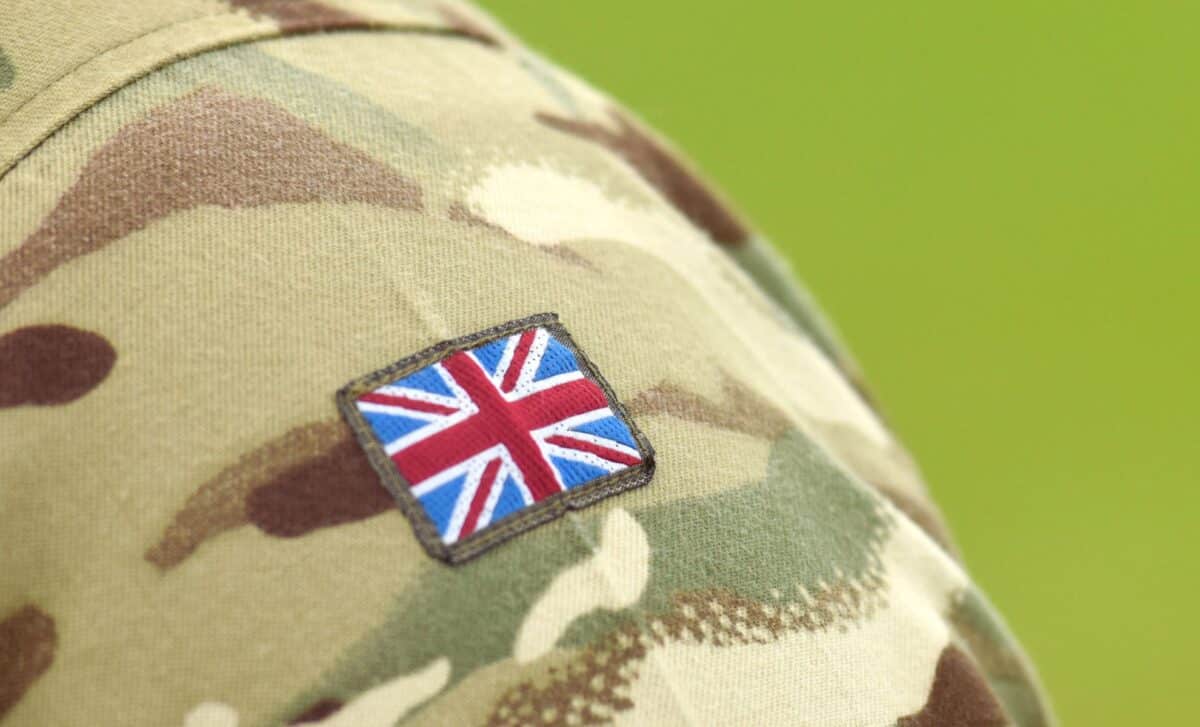
The UK government has introduced a new paid military gap year programme aimed at young people under 25, offering a short-term taste of life in the Army, Royal Navy, or Royal Air Force. As reported by BBC News, this initiative is part of a broader attempt to address ongoing recruitment and retention issues within the British armed forces.
A New Pathway into Military Life for Young People
The new gap year programme is designed to attract school and college leavers by offering a 12-month paid experience in the British armed forces. Unlike traditional enlistment, this scheme comes without a long-term commitment or deployment into active operations. It aims to equip participants with leadership, teamwork, and problem-solving skills through basic training and day-to-day military exposure.
Applications for the first 150 placements will open in spring 2026, with the government aiming to expand the intake to 1,000 young people annually. Each branch of the military will offer slightly different structures: the Army programme includes 13 weeks of basic training over a two-year term; the Navy offers a one-year general training programme; and the RAF’s version is still under development.
Defence Secretary John Healey framed the programme as a timely opportunity for youth and families to reflect on future prospects, stating:
“As families come together at this time of year, and young people think about their futures, I want the outstanding opportunities on offer in our armed forces to be part of that conversation in homes across the UK.”
According to the Ministry of Defence, the scheme is intended to give young people a strong foundation, whether or not they choose to pursue a military career. The UK initiative draws inspiration from a similar programme in Australia, where 664 young people enlisted in 2023—more than half went on to join the armed forces permanently.
Political Criticism Over Scope and Effectiveness
The rollout has not been without political pushback. Critics—particularly from the Conservative Party—have called the programme too small to make a real difference in Britain’s defence readiness. Shadow Defence Secretary James Cartlidge expressed strong scepticism about its scale and strategic value:
“As ever with Labour, the reality does not match the spin. A scheme involving just 150 participants is barely a pilot, let alone the ‘whole-of-society’ response they claim to be delivering.”
Cartlidge went on to question the impact of borrowing from the Australian model, remarking:
“While the Australian scheme this one was based on has its strengths, the tiny numbers do nothing for our war readiness.”
This criticism reflects wider concerns about Labour’s defence strategy, which has emphasised a “whole-of-society” approach and included other proposals such as increasing the number of cadets by 30%. The scheme is being introduced in the context of a broader defence review, which stresses the need for modernised military engagement and deterrence, especially in light of growing tensions with Russia.
A Growing Trend Across Europe
The UK’s new military programme is part of a broader trend across Europe, where countries are exploring non-compulsory national service models to strengthen societal resilience. In recent years, France and Germany have revived forms of voluntary service in response to increasing geopolitical instability. These programmes, like the UK’s, are positioned as both civic education and a soft recruitment strategy.
Supporters argue that such schemes offer valuable exposure to discipline, public service, and teamwork, while giving young people skills that transfer to civilian life. Former head of the Army Lord Richard Dannatt described the UK’s initiative as a modest but constructive step:
He noted it would “play a little bit towards improving recruiting,” and “rather more importantly, it gives a number of people who may well choose a different career path in life some exposure to the armed forces, some exposure to the discipline and problem-solving skills.”
While not a comprehensive solution to the UK’s military recruitment crisis, the gap year model represents a new tool in a shifting defence landscape. The government hopes it will not only bring in new recruits but also rebuild the cultural link between armed service and younger generations.