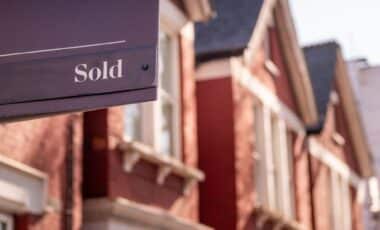
This decline comes at a time of heightened speculation ahead of Chancellor Rachel Reeves’s Autumn Budget, scheduled for 26 November. Rumours surrounding the potential introduction of a mansion tax, changes to capital gains tax, and possible adjustments to stamp duty have caused visible hesitation among buyers and sellers alike, particularly in the upper tiers of the housing market.
Sellers Race to Cut Prices Amid Growing Uncertainty
More than a third of homes currently for sale across the UK have had at least one price reduction, Rightmove reported, with the average cut reaching 7%, the highest level seen since February 2024. The volume of properties on the market has also climbed to a decade high, further intensifying competition among sellers.
According to Colleen Babcock, property expert at Rightmove, “The decade-high number of homes available on the market continues to restrict price growth, with many new sellers keen to avoid standing out by over-pricing compared with their competition.” She added that the upcoming Budget, unusually scheduled later in the year, has contributed to an earlier-than-usual seasonal slowdown.
Sales of homes priced over £2 million have dropped by 13% year-on-year, with a further 8% fall recorded for properties in the £500,000 to £2 million range. Only the lower end of the market, homes under £500,000, which make up approximately 75% of listings, has remained relatively stable, with sales down just 4% compared to last year.
London, the South East and Scotland have recorded the largest month-on-month price drops. London saw a 2.4% fall, the South East was down 2.7%, and Scotland experienced the most significant drop at 3.2%, bringing the average property price in the region to £194,037.
Market Hesitates as Budget Jitters Spread
The impact of Budget speculation is particularly visible at the higher end of the market, where discussions of a potential mansion tax and reforms to council tax have raised concerns. The possible extension of capital gains tax to primary residences, currently exempt, is also believed to be contributing to the slowdown in sales and hesitancy among buyers.
Nick Leeming, chairman of estate agent Jackson-Stops, commented that “Wider caution among buyers of higher valued property in the run-up to the Budget reflects the variety of trailed policies from the Government, alongside a decade-high level of property listings softening sellers’ pricing power.”
Meanwhile, buyers seeking clarity are postponing major decisions, with some rushing to complete transactions before potential tax hikes are introduced. At the same time, mortgage conditions are showing slight signs of improvement. According to Rightmove, the average two-year fixed mortgage rate has declined to 4.41%, down from 5.06% a year ago. This has bolstered buyer affordability, particularly among first-time buyers, who are benefiting from more competitive high loan-to-value mortgage options.
The housing market’s reaction reflects broader concerns in the financial sector. According to a report by EY Item Club, UK mortgage lending is expected to grow more slowly in 2026, as affordability pressures and stagnant real incomes take hold. Nonetheless, most analysts agree that the current conditions are temporary, shaped largely by short-term political and economic uncertainty rather than structural market weakness.