With colder months approaching and the heating season underway, millions of UK households are set to feel the pinch of climbing utility bills. From pensioners to low-income families, many will be relying on established financial support programmes to stay warm and avoid falling into energy debt.
Rising Energy Cap Prompts Renewed Concern over Winter Costs
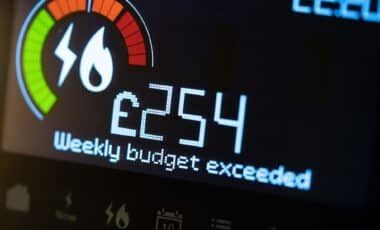
The UK’s energy regulator, Ofgem, confirmed in late October that the price cap for a typical dual fuel household paying by direct debit has risen from £1,720 to £1,755. While the price cap limits the rate charged per unit of gas and electricity, it does not place a ceiling on overall bills. Costs are still determined by consumption, which means households using more will continue to pay more.
This comes at a time when many households are still grappling with the effects of previous price shocks and the broader cost-of-living squeeze. According to The Mirror, a range of government-backed support measures remain available to help mitigate the impact, particularly for those on benefits, pensioners, and those experiencing financial hardship.
The Warm Home Discount offers a £150 reduction on electricity bills, either credited directly to energy accounts or provided as a voucher for prepayment customers. Eligibility depends on receiving certain benefits, such as Pension Credit or Universal Credit in England and Wales. In Scotland, the discount is automatic for recipients of the Guarantee Credit element of Pension Credit, though others may need to apply through their energy supplier. There is currently no equivalent scheme in Northern Ireland.
Pensioners also receive additional aid through the Winter Fuel Payment, worth between £100 and £300. According to government guidance, households with residents born before 22 September 1959 qualify. However, an income threshold of £35,000 per person applies: those earning above this level receive the payment but are expected to repay it through taxation.
Additional Payments and Grants Aim to Reach Vulnerable Households
Beyond the two flagship schemes, other forms of assistance are also available. The Cold Weather Payment scheme provides £25 whenever the average temperature falls to 0°C or below over seven consecutive days. This support is specific to England and Wales and is available to those receiving certain benefits or Support for Mortgage Interest. Although the scheme is currently closed, it is scheduled to reopen in November 2025.
In Scotland, a separate Winter Heating Payment worth £59.75 is available instead. This programme serves a similar function to the Cold Weather Payment, though eligibility criteria may differ.
Further support may be offered directly by energy suppliers. Many major providers run hardship funds or offer debt relief grants, especially for customers struggling to pay their bills. While most schemes are limited to current customers, the British Gas Energy Trust is notable for offering grants of up to £1,700 to non-customers as well.
Charities such as Home Energy Scotland, National Energy Action, and Citizens Advice continue to provide guidance and resources to households in energy distress. Those in difficulty are encouraged to contact their energy supplier as early as possible to discuss potential repayment plans, payment pauses, or alternative solutions.
Many of these schemes operate on a first-come, first-served basis, and payments are usually made automatically where eligibility is confirmed. As the winter unfolds, staying informed and proactive may offer the best chance of reducing the financial strain.