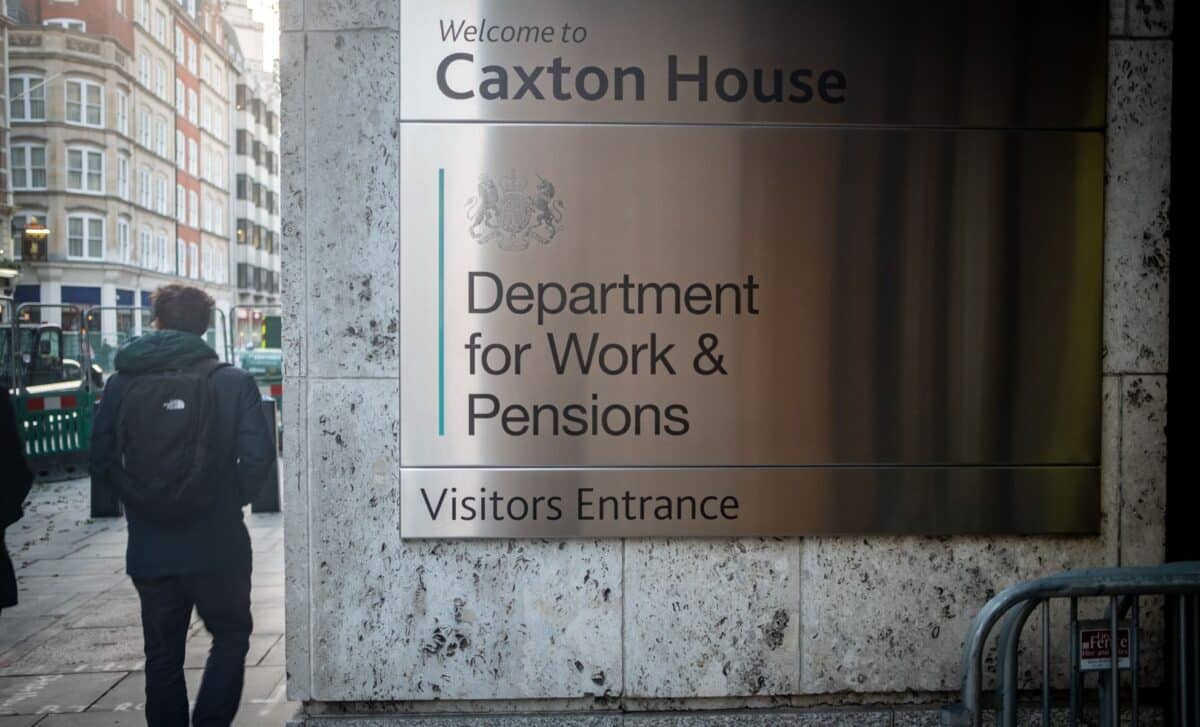
The UK Government is preparing to implement a significant reform of the welfare system by merging Employment and Support Allowance (ESA) and Jobseeker’s Allowance (JSA) into a single Unemployment Insurance (UI) benefit. According to the Institute for Fiscal Studies (IFS), the new system could yield savings of up to £3 billion annually.
This change, which was first proposed in a green paper published in March, aims to “fix the broken benefits system” by simplifying contribution-based support for those who are out of work. It would also introduce a fixed time limit to claims, replacing the current system where some benefits, particularly ESA, can be claimed indefinitely.
Higher Benefit Rate, but Shorter Duration
Under the proposed structure, the new UI payment would match the current ESA weekly rate of £140.55, representing a 53% increase for jobseekers who now receive £92.05 on JSA. This move, according to the IFS, would offer “stronger income protection” to those who have paid into the National Insurance system but are temporarily out of work.
The trade-off comes in the form of time limits. UI would only be available for six or twelve months, depending on the version of the reform adopted. The six-month version would generate the highest estimated savings, around £3 billion per year, mostly due to reduced expenditure on long-term claimants.
“Making the new UI available for 12 months would still yield fiscal savings relative to the current system,” said Martin Miklos, a research economist at the IFS. He noted that most European countries provide unemployment insurance for 12 months or more, and the UK’s current level of support is well below average. For instance, JSA is worth just 12% of the UK’s mean wage, while the OECD average stands at 55%.
Long-Term Sick Claimants Face Uncertainty
While the consolidation of ESA and JSA may improve simplicity and provide better short-term support for jobseekers, concerns remain about the impact on those with long-term health conditions. Currently, new-style ESA can be claimed indefinitely if medical assessments confirm continued work-limiting illness or disability.
The proposed change would end indefinite claims, even for those with chronic health issues, raising alarms among charities and disability advocates. Anvar Sarygulov, programme manager at the Nuffield Foundation, which supported the IFS research, warned: “However, the Government needs to avoid pulling the rug out from under existing long-term claimants with health conditions by thinking carefully about the delivery and design of any transitional support”
Some claimants and MPs have already expressed concern that individuals too unwell to work could be pushed into Universal Credit, which is means-tested and does not take past contributions into account. Others question whether the short-term savings would hold if more people are encouraged to claim the higher-rate UI for a limited period.