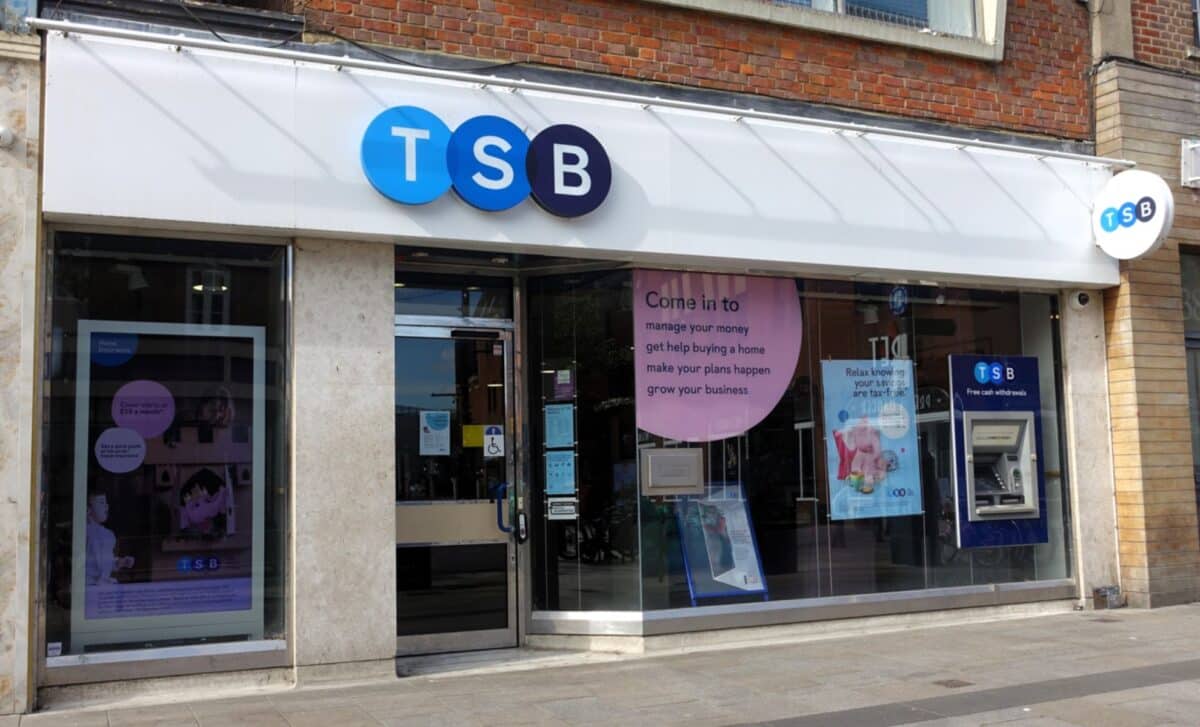
TSB has introduced a new credit card offering up to 26 months of 0 percent interest on purchases, positioning it at the top of the current UK market for interest-free spending deals.
The product also includes up to 18 months of 0 percent interest on balance transfers made within the first 90 days, adding further competition to a sector already led by major high street lenders. The move places TSB ahead of rivals such as Lloyds, M&S Bank, Barclaycard, and MBNA, which currently offer slightly shorter introductory purchase periods.
Longest Purchase Offer Currently Available
The headline feature of the new card is an interest-free period of up to 26 months on purchases. According to details released by TSB and reported by This is Money, this is now the longest 0 percent purchase offer available in the UK.
Customers who transfer an existing balance within the first 90 days can access up to 18 months of 0 percent interest on that transferred amount. The balance transfer fee during that period is 3.49 percent. After the promotional window closes, standard interest rates apply.
Competing products from Lloyds and M&S Bank currently provide up to 25 months of 0 percent interest on purchases, while Barclaycard and MBNA offer up to 24 months. TSB is also offering a separate balance transfer card with up to 38 months interest-free, aimed at borrowers primarily seeking to consolidate existing credit card debt.
As with most credit products, the full 26-month period is not guaranteed. The length of the introductory offer may vary depending on an applicant’s credit profile. The card supports contactless payments and can be added to digital wallets including Apple Pay, Google Pay, and Samsung Pay.
Risks and Conditions Borrowers Must Consider
While 0 percent purchase cards can provide a structured way to spread the cost of larger expenses, lenders and financial platforms stress that the terms must be followed carefully.
According to Alastair Douglas, chief executive of personal finance platform TotallyMoney, the card could be particularly useful for consumers planning significant purchases such as household appliances or holidays. He noted that cardholders also benefit from additional purchase protection, which can offer coverage if goods are faulty or services are not delivered as expected.
The key condition is that borrowers must make at least the minimum monthly repayment and stay within their credit limit. Missing a payment or exceeding the limit can result in the promotional rate being withdrawn, after which interest may be charged at the standard rate.
Mr Douglas also warned against treating the offer as “free money,” advising consumers to borrow only what they can realistically repay before the introductory period ends. According to guidance cited by This is Money, some borrowers choose to avoid storing card details on their phones or using the card for routine spending in order to maintain control over their balance.
Prospective applicants are also encouraged to check their eligibility before submitting a formal application. Multiple unsuccessful credit applications within a short period can negatively affect a credit record, as lenders may interpret repeated rejections as a sign of financial strain.
Most providers, including TSB, allow consumers to conduct an eligibility check before applying. Comparison platforms such as TotallyMoney and Moneysupermarket also offer pre-application checks. The launch reflects continued competition in the UK credit card market, where extended 0 percent offers remain a key tool for attracting borrowers seeking short-term, interest-free flexibility.