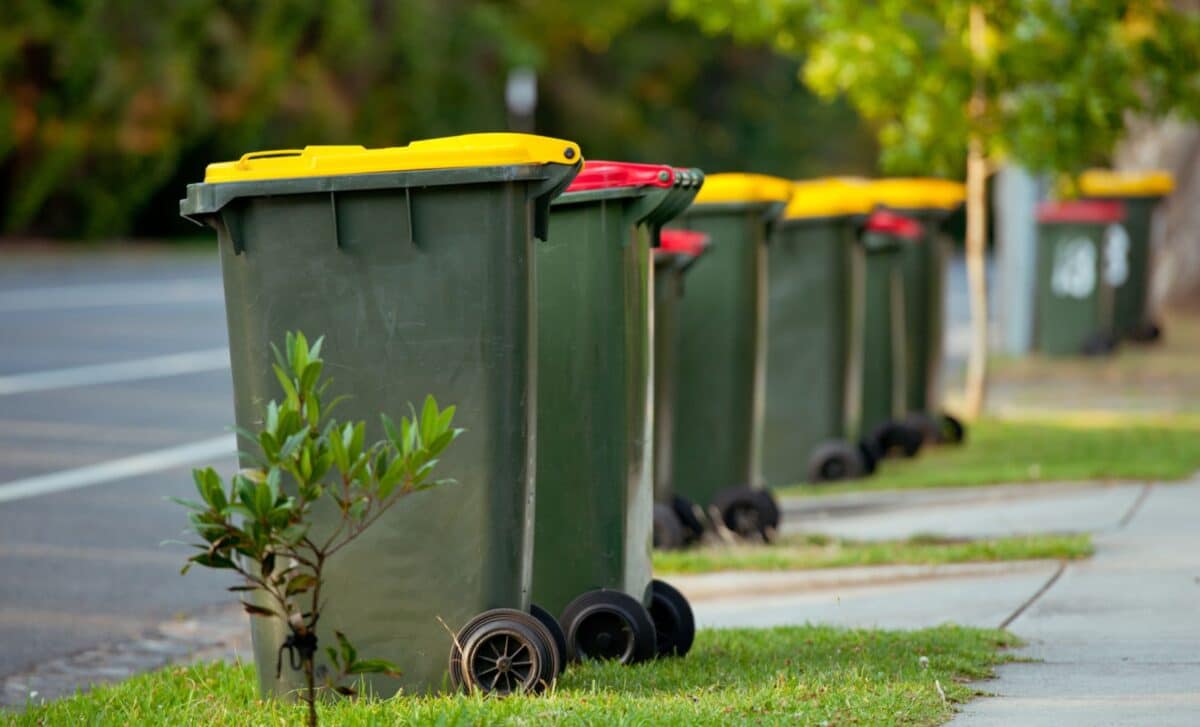
England’s fragmented approach to household recycling is getting a long-overdue overhaul. From March 31, every local council in the country will be legally required to collect four distinct categories of waste separately, a sweeping reform that affects millions of households and marks one of the most significant changes to bin collections in recent memory.
The rules arrive under the Labour government’s “Simpler Recycling” initiative, designed to cut through the postcode lottery that has long determined how and what residents can recycle. Currently, individual local authorities set their own arrangements, leaving households in neighboring towns sometimes working with entirely different systems. The new regulations aim to replace that patchwork with a consistent, nationwide standard.
What the New Rules Actually Mean for Your Bins
Under the incoming framework, every household in England, including those in flats and apartment buildings, will need to separate their waste into four streams. The first is a dry mixed recycling container for paper, glass, metals, and plastics. The second is a dedicated food waste bin, which must be kept entirely separate and cannot be combined with any other material.
The third covers paper and card specifically, required for households whose waste management provider hasn’t completed an assessment permitting those materials to go into mixed recycling. The fourth is a general waste bin for anything that cannot be recycled, destined for landfill or energy recovery.
Importantly, these containers don’t all have to be wheeled bins. According to Birmingham Live, councils have flexibility to implement a mix of wheeled bins, bags, stackable boxes, or other containers, as long as the four waste streams are collected separately. Local authorities are also permitted to deviate from the standard rules where technical or economic constraints make compliance genuinely impractical.
Clearing Up the Confusion, and What Comes Next
For many residents, the changes may be less dramatic than they sound. Some councils have already operated recycling systems broadly consistent with the new requirements, meaning those households will notice little disruption. For others, however, the reforms could mean new bins arriving, altered collection schedules, or revised guidance on what goes where.
Steve Cole, managing director of municipal services at waste management company Biffa, welcomed the move. According to Cole, “For too long, households have struggled with a muddled and confusing patchwork of approaches to their bin collections. Simpler Recycling will make recycling easier and more consistent by ensuring everyone can recycle the same materials, no matter where they live.“
The reforms are also part of a longer-term environmental push. From March 2027, waste collectors will be further obliged to include plastic film packaging and carrier bags in standard kerbside collections, materials that are currently only accepted at designated supermarket drop-off points and frequently end up in general waste as a result. Businesses and non-household premises with fewer than ten employees are subject to a later deadline, with compliance required by March 31, 2027. For everyone else, the clock is already ticking.