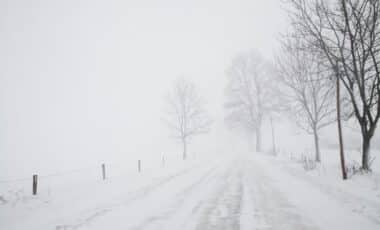
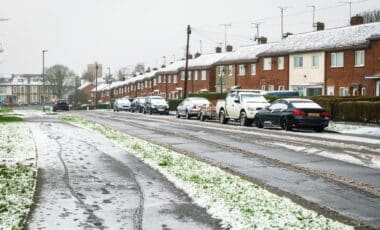
From the Highlands to the Midlands, the UK will experience its coldest temperatures since March. This sudden change follows an extended period of above-average warmth, with the Arctic chill now taking hold. Experts warn that the combination of snow, ice, and freezing conditions could create hazardous situations, particularly on the roads.
Cold Weather Warning Issued Across the UK
According to the UK Health Security Agency (UKHSA), a cold weather warning is in force for several areas from Monday, November 17, until Friday, November 21. The alert covers the East and West Midlands, North East, North West, and Yorkshire and the Humber. With temperatures dipping to as low as -7°C in some parts of the country, the risk of frost, ice, and snow will remain high for much of the week.
The Met Office has confirmed that the UK is experiencing its coldest night since March, with temperatures in Tulloch Bridge in the Scottish Highlands plunging to -7°C on Saturday. A northerly wind, bringing cold air from the Arctic, is expected to dominate the UK’s weather. The shift comes after a prolonged period of above-average temperatures, with many parts of the country enjoying unseasonably mild conditions.
Dan Holley, deputy chief meteorologist at the Met Office, explained that high pressure to the northwest is pushing cold air southward, bringing colder, drier conditions. However, the flip side of this is the risk of snow, ice, and widespread frosts. These wintry hazards could lead to slippery roads, with travel disruption expected, particularly in northern regions.
Increased Risk of Travel Disruptions
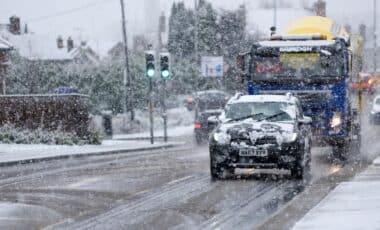
The RAC has warned that road conditions could become increasingly hazardous as a result of the freezing temperatures. “There’s potential for freezing temperatures to make roads hit by heavy rain very slippery with a chance of ice,” said RAC spokesperson Alice Simpson. As temperatures drop, the risk of black ice, often invisible to drivers, will be heightened, making it difficult for vehicles to maintain traction.
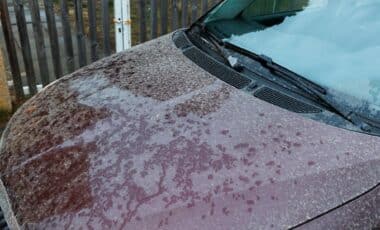
The RAC predicts a rise in breakdowns, with volumes expected to be around 10% higher than usual. “Fallen leaves on the road can become very hazardous in icy conditions,” Simpson added, as they form a layer between tyres and the road surface, increasing the likelihood of skidding. Motorists are urged to take extra care, particularly in areas where rain has recently fallen, as these conditions could lead to even more slippery roads.
In addition to hazardous driving conditions, local authorities are advising people to check the weather forecast regularly, particularly if they live in the affected areas. With temperatures expected to remain low, staying informed is crucial to avoid unnecessary risks.