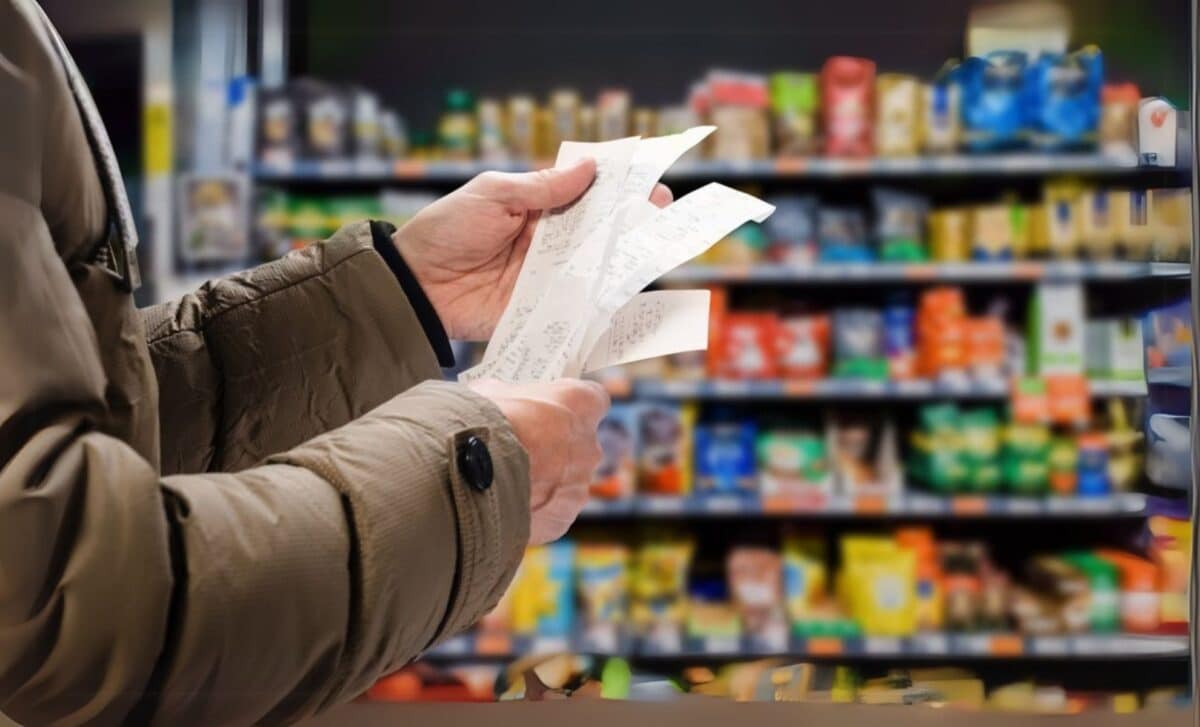
The cost of a basket of basic essentials has surged dramatically in the past two years, with some supermarkets seeing increases of up to 43%. This ongoing study, which tracks the prices of eight common items across six major UK supermarkets, reveals the extent of the rise in costs during the cost-of-living crisis.
According to a report by Manchester Evening News, the price increases highlight the financial pressures faced by shoppers. As inflation continues to impact grocery prices, this study offers insight into how specific items have seen notable price hikes, affecting the affordability of essential products for UK households.
How Much Have Prices Risen?
The study, which has been tracking prices weekly since March 2022, found that Aldi and Lidl experienced the largest increases, both supermarkets seeing a 43% rise in the cost of their baskets of essentials. Back in March 2022, Aldi was the cheapest option, with the basket of 8 items priced at just £9.13, while Lidl was only slightly higher at £9.14.
Despite these increases, Aldi and Lidl remain the cheapest supermarkets, but the gap has narrowed considerably. Aldi now offers its basket for £13.09, while Lidl is slightly higher at £13.10.
Price Hikes on Specific Items
Some items have seen particularly shocking increases. For example, mince has risen by an average of 69% across all supermarkets, with Sainsbury‘s leading the rise at 75%, now priced at £3.50 for a 500g pack of 20% fat beef mince. This makes it 17% more expensive than almost every other retailer. The price of coffee has increased by an average of 43%, and chicken (300g of chicken breast) has gone up by 15%.
These rises are part of the broader inflationary pressures consumers are feeling. As economist Harvir Dhillon from the British Retail Consortium (BRC) explained,
“Retailers are grappling with an additional £5bn in costs from April’s increased Employer National Insurance contributions and National Living Wage. The result is that food inflation has been trending upwards over recent months, expected to hit 5% by the end of this year.”
Retailer and Economist Responses
In response to the price hikes, Aldi and Asda have disputed the price comparison, arguing that the study does not reflect the full range of their products.
Aldi spokespersons have said that the comparison fails to account for the higher quality of some of their products, such as their Diplomat Red Label tea bags and coffee, which they claim are superior in quality to those used in the study.
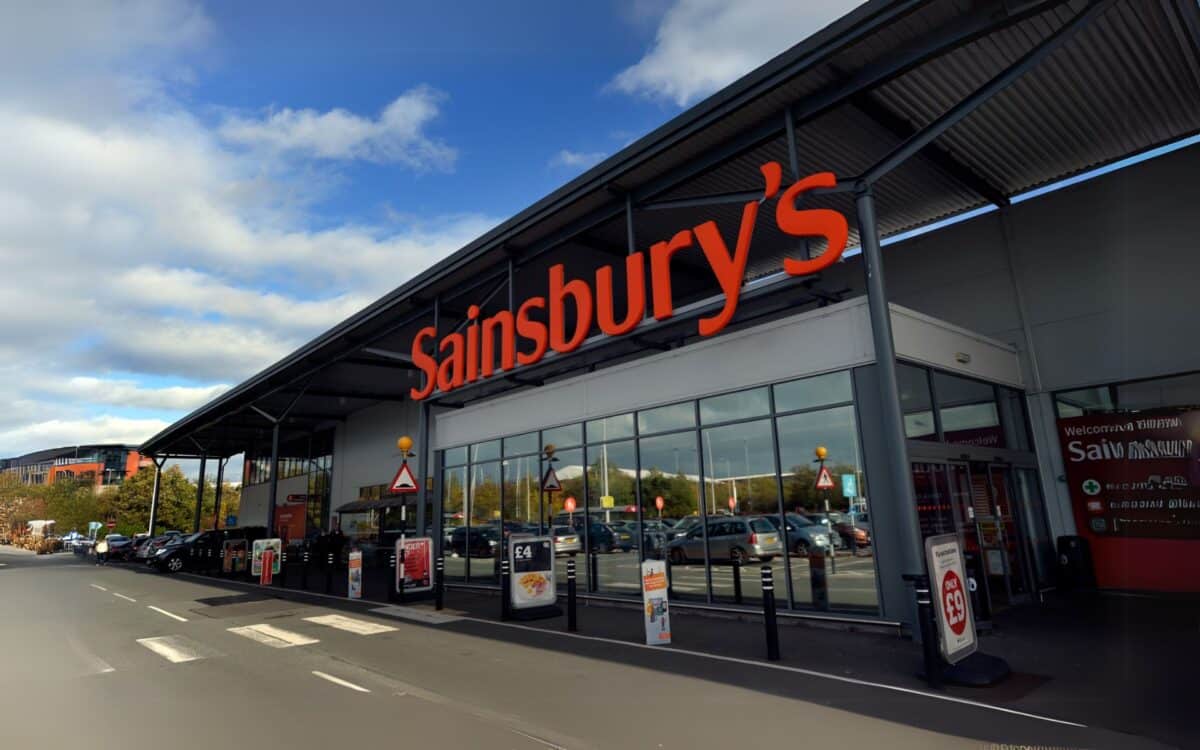
Asda pointed out that the comparison only considers a small sample of products and does not reflect their broader offerings, particularly their “Just Essentials” range, which is one of the largest and most affordable options available. Sainsbury’s also responded, saying:
“This review of a limited number of products does not reflect the fantastic value our customers will find at Sainsbury’s. We are committed to offering the best possible value across a wide variety of products – whether that’s through our value Stamford Street range, Low Everyday Prices, Aldi Price Match, or Nectar Prices.”
Supermarket Price Comparison
Here’s a comparison of the cost of the same eight essential items across the supermarkets. As of this week, Aldi and Lidl remain the cheapest at just over £13, while Sainsbury’s remains the most expensive at £13.90 for the same items.
- Aldi: £13.09
- Lidl: £13.10
- Asda: £13.13 (41% increase)
- Morrisons: £13.55 (40% increase)
- Tesco: £13.66 (41% increase)
- Sainsbury’s: £13.90 (33% increase)
The rising cost of food is clearly becoming a concern for many consumers. The overall 5% food inflation forecast for the end of the year signals that shoppers may face further financial strain. Harvir Dhillon emphasised that, while retailers are working hard to keep prices low for customers, their capacity to absorb costs is limited.
“Retailers are doing all they can to keep prices low to help their customers, but their capacity to continue doing so is limited. Government must ensure retailers aren’t hit with further policy-induced costs, helping retailer efforts to limit inflation for essential items,” he said.