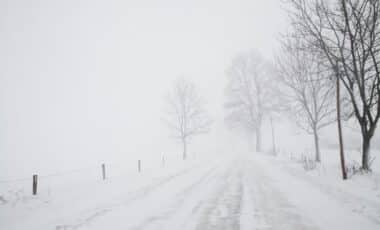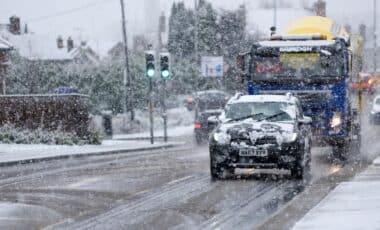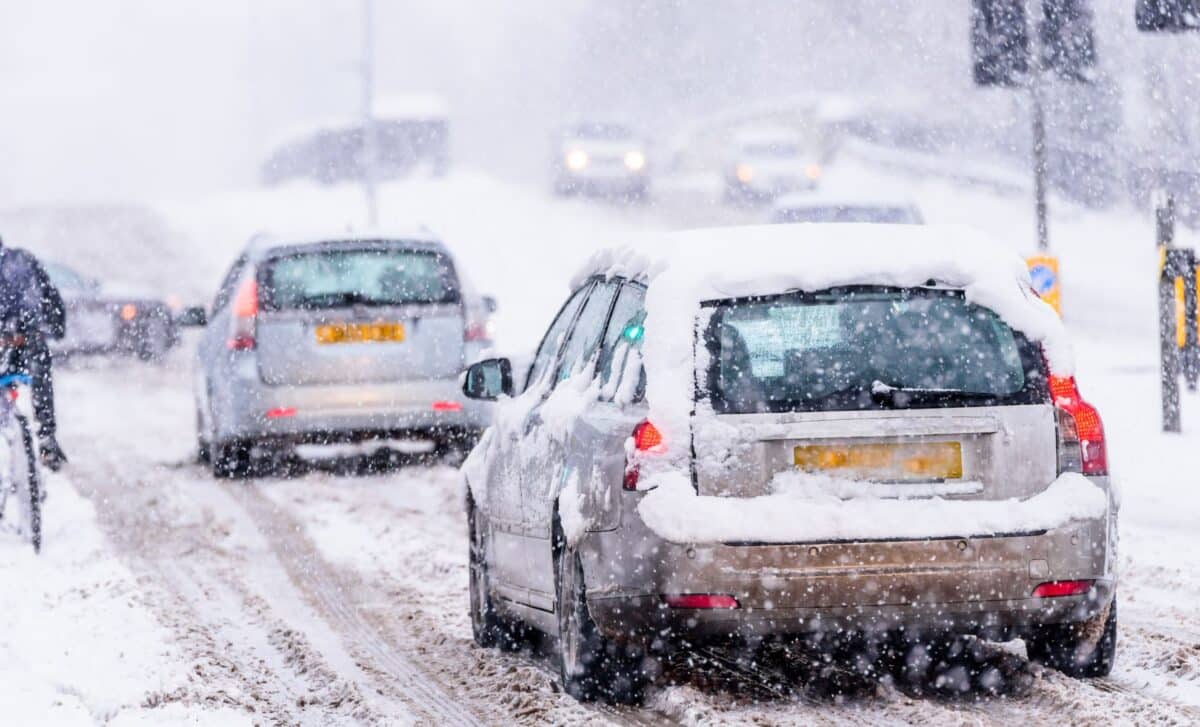
As the UK braces for a significant shift in weather, advanced weather maps predict snow could blanket parts of the country within the next week. According to recent modelling, regions in Scotland are expected to experience snowfall at rates of up to 3cm per hour, marking a sharp contrast to the recent warm temperatures. With the change in meteorological conditions, the UK faces a potential mix of snow, rain, and strong winds, as autumn truly sets in.
These predictions come on the back of a record-breaking summer heatwave, with many areas experiencing unusually high temperatures. The stark contrast between the summer’s warmth and the impending chill underscores the dramatic weather swings associated with the season’s change.
Snowfall Likely in the Scottish Highlands
The latest weather models suggest that snowfall will first appear in the Scottish Highlands, with the heaviest flurries expected on October 7. According to the Global Forecast System (GFS), snow could fall at a rate of up to 3cm per hour in regions such as Glencoe, Ben Nevis, and Invergarry. This sudden drop in temperature, which could bring roughly 1cm of snow accumulation, is anticipated to affect the western parts of the Highlands most significantly.
The timing of the snowfall aligns with a cold front sweeping down from the north, causing temperatures to plummet in some areas. The heaviest snow will occur west of Fort William, with snowfall intensity decreasing as it moves further north to Inverness. This weather shift could also impact road conditions, particularly for those travelling in rural, higher-altitude areas.
Met Office Warns of Strong Winds and Rain
While snow will take centre stage in some regions, the Met Office is also forecasting periods of heavy rain and strong winds for much of the UK. According to their long-range weather outlook, northwestern areas will see spells of rain and gusty conditions, with the southeast likely remaining drier.
The unpredictable nature of this weather is attributed to the movement of Hurricane Humbert, which is expected to transition into the North Atlantic. As a result, this could influence the UK’s weather in the first week of October, bringing a mix of wet and windy conditions.
The combination of snow in the north and rainy weather in other areas means that British residents should prepare for varied and challenging conditions. The fluctuating weather also highlights the complex interactions between tropical cyclone activity and northern European climates, with the potential for more frequent and intense storms in the future.