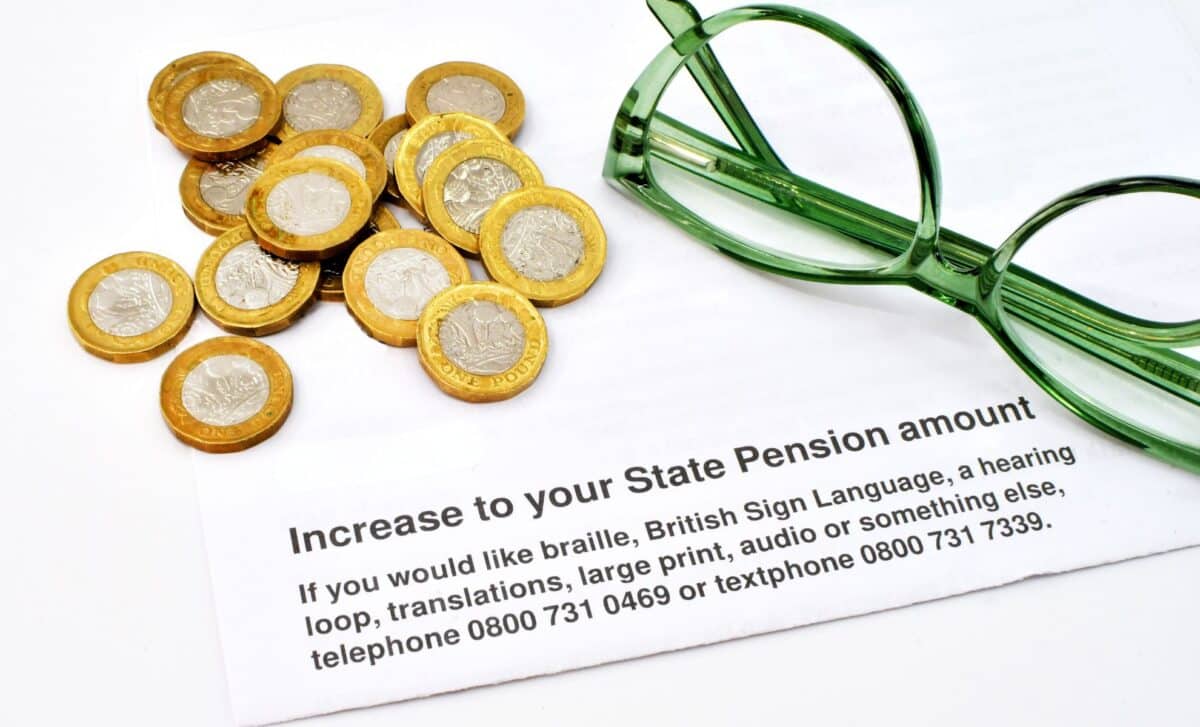
Pensioners in the UK could soon find themselves facing significant tax bills as changes to the eligibility rules for state pensions come into effect. Starting this year, state pension payments will see a notable increase, but this could have unintended tax consequences for retirees, particularly those receiving the full new state pension.
The new rules are expected to push many state pensioners above the £12,570 personal income tax allowance, which could leave them liable for paying tax. The government has offered assurances that measures will be introduced to prevent pensioners with modest incomes from paying small amounts of income tax, but the situation remains concerning for many retirees.
The State Pension Increase: A Double-Edged Sword
From April 2026, the full new state pension will increase by 4.8%, rising to £241.30 a week. Similarly, the full basic state pension will increase to £184.90 a week, up from £176.45. According to financial expert Derence Lee, these increases are part of the government’s triple lock guarantee, which ensures pension payments rise in line with the highest of inflation, average earnings growth, or 2.5%. While this system has protected pensioners’ incomes from rising living costs, it has also meant that state pensions have grown at a pace that some experts believe may be unsustainable in the long term. As payments rise, more retirees will fall into the tax-paying bracket.
A significant issue is that the full new state pension, worth £12,547.60 annually from April, will soon exceed the personal income tax allowance of £12,570. This means that individuals on the full new state pension will be forced to pay income tax. By April 2027, pensions are expected to surpass the tax-free allowance altogether, according to Lee. This presents a serious concern for many pensioners, who already rely heavily on the state pension to cover essential living costs.
Government Plans and Potential Mitigations for Pensioners
The government has acknowledged the potential for pensioners to face higher tax bills and is preparing measures to mitigate the impact. According to a statement from Department for Work and Pensions (DWP) minister Torsten Bell, people whose only income is the state pension will not have to pay small amounts of income tax on their payments. Specific details on how this will be implemented will be provided in due course, but the government is expected to introduce fresh legislation to address the issue in the next finance bill.
To address the looming tax burden, the government may introduce a system that ensures pensioners are not taxed on modest state pension payments. Cerys McDonald, a senior official at HMRC, indicated that such legislation would be introduced in autumn 2026, but the department has already mobilised a team to prepare for the changes. This is expected to prevent any sudden surprises for pensioners when tax assessments are issued in 2027 and 2028.
However, experts such as Derence Lee suggest that retirees should start planning now to avoid financial strain. He recommends that pensioners on low incomes consider applying for Pension Credit, which can supplement state pensions for those struggling financially. Additionally, those still working may want to consider contributing to a private pension to further supplement their income once they retire fully.
As the state pension system continues to evolve, it is clear that changes to eligibility rules and rising pension payments will have a lasting impact on pensioners’ finances. While government measures are in the works to protect retirees from excessive taxation, pensioners will need to stay informed and plan ahead to ensure they are not caught off guard by rising tax liabilities.