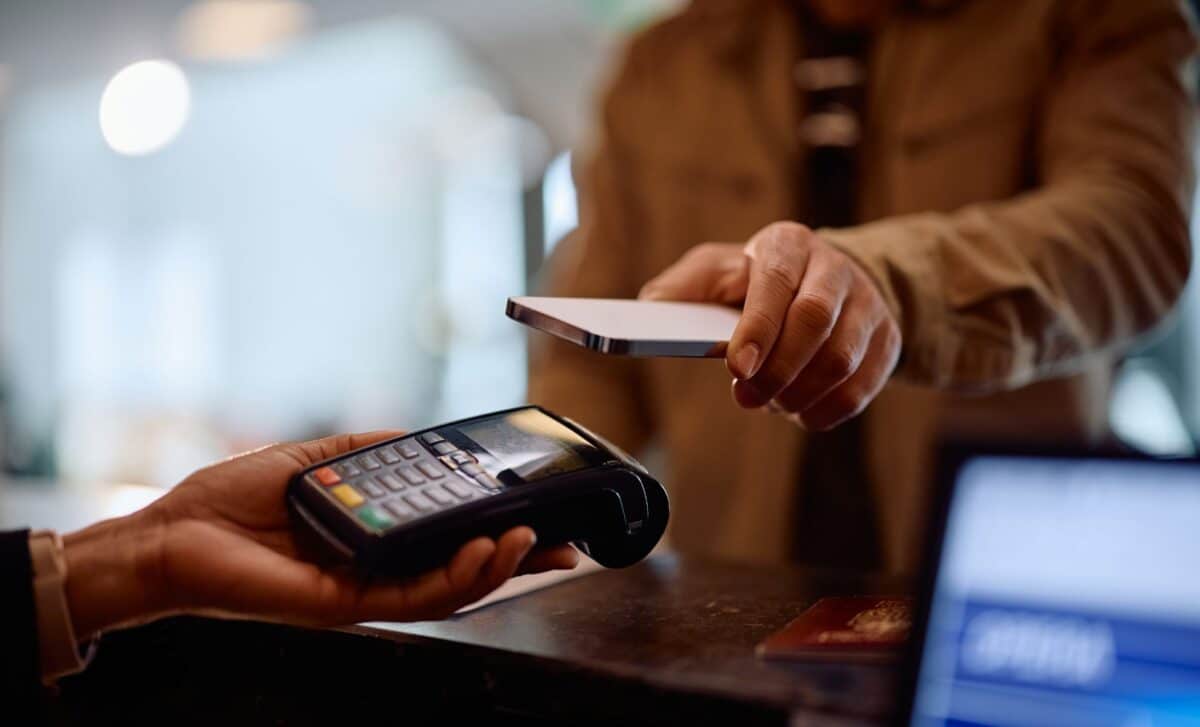
Currently, physical contactless card payments in the UK are capped at £100 per transaction, with any larger amounts requiring a PIN. However, the FCA’s new regulatory changes, which come into effect on March 19, will allow banks and payment service providers with robust fraud controls to set their own limits. This shift is expected to respond to growing consumer demand, advancements in payment technology, and the pressures of inflation. But while some have welcomed the change, concerns over potential security risks have also emerged.
FCA’s New Regulatory Framework
The FCA’s new rules will offer banks and payment providers the flexibility to determine payment thresholds on contactless cards. Firms that implement these changes will be required to ensure they have effective fraud prevention measures in place. According to David Geale, executive director of payments and digital finance at the FCA, the aim of the reforms is to provide “flexibility for the future” and more “choice for both firms and consumers.”
While the £100 cap remains in place for now, the FCA’s change marks a significant departure from previous limits. The £100 cap has been in place since 2021, though the limit was gradually increased over the years from just £10 in 2007. Some banks already allow customers to set their own contactless limits or disable the function entirely, and the FCA is encouraging all firms to offer similar options. This means that individual consumers could, in theory, choose their own payment limits or opt out of contactless payments altogether if they wish.
Importantly, the change is also designed to keep pace with increasing demand for contactless payments. According to Barclays data, nearly 95% of in-store card transactions were contactless in 2024, illustrating the growing popularity of this payment method. The new rules will give banks the flexibility to meet this demand while maintaining robust security measures to protect consumers from fraud.
Consumer Protections and Fraud Prevention Measures
Despite concerns that higher contactless payment limits could make cards more appealing targets for thieves, the FCA assures that strong protections will remain in place. For example, the bank would be liable for any unauthorised transactions made with a stolen or lost card. Customers will also continue to benefit from the existing cumulative contactless limit of £300 or five consecutive transactions before a PIN is required.
Some financial experts, like Jana Mackintosh, managing director of payments and innovation at UK Finance, emphasise the importance of careful implementation. “While we do not expect to see any immediate change to the £100 contactless limit, any changes made in the future will be done carefully and ensure strong security and fraud controls remain in place,” she said. These protections are crucial to ensuring that the transition to higher limits does not result in an increase in fraud or security breaches.
Although the FCA has allowed banks to set their own contactless limits, there is no immediate requirement for them to do so. According to the regulator, most financial institutions are expected to retain the £100 cap for the time being, although it is expected that some will begin to test higher limits in the future. Consumers will be informed of any changes, with banks expected to communicate any updates to their policies in line with the FCA’s Consumer Duty rules.
What This Means for Consumers
For the majority of consumers, the changes will have little immediate impact. Many will continue to use contactless payments at the current £100 limit, while others may choose to adjust their own limits or turn off the function completely, as offered by some banks. The FCA has made it clear that the decision to raise contactless limits, allowing for a gradual approach that prioritises security and consumer choice.
However, the shift does reflect the growing role of contactless payments in the UK economy and signals a potential move towards a more flexible, digital-first payment landscape. For businesses, this change could lead to quicker and more seamless transactions, particularly for high-ticket items. As Kate Nicholls, chairwoman of UKHospitality, noted, “making life easier for consumers is a positive for any hospitality and high street business.”
Ultimately, the FCA’s changes aim to balance the convenience of contactless payments with necessary safeguards, ensuring that the benefits of increased flexibility do not come at the expense of security. With many consumers already favouring contactless payments for their convenience, this change offers the potential for more personalised, efficient, and secure ways to pay.