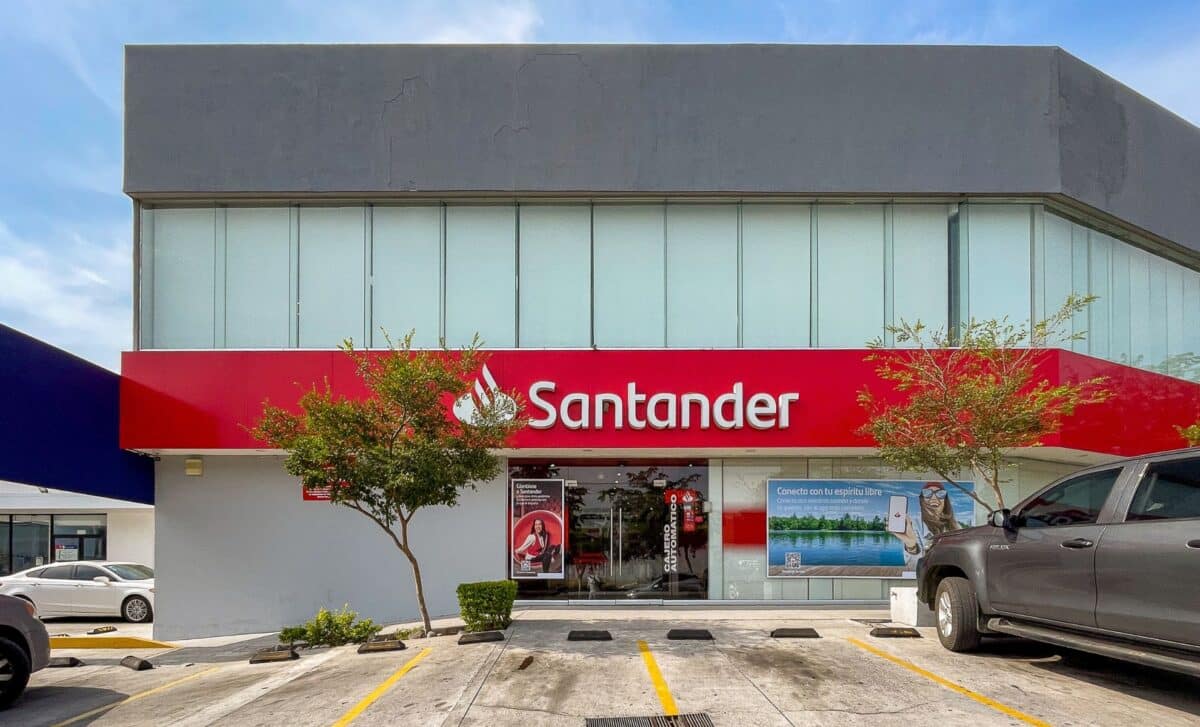
In 2025, Santander has made significant moves in reshaping its UK branch network, closing 76 branches and shifting to digital-first banking services. This sweeping change is indicative of the evolving trends in banking, as more customers opt for online and mobile banking over traditional in-person services. With an additional branch set to close next month, the closures have sparked conversation about the future of high street banking in the UK.
As part of the bank’s response to changing customer behaviour, the closures reflect a broader trend across the industry. The move has been framed by Santander as a way to meet customer needs in an increasingly digital world, where fewer people are visiting physical branches. However, these changes raise important questions about access to banking services, especially for vulnerable groups who may be more reliant on face-to-face interactions.
The Digital Shift in Banking
The closure of Santander’s branches is not an isolated move but part of a larger industry-wide shift towards digital banking. As more customers turn to their smartphones and computers for everyday transactions, banks are increasingly trimming their physical presence in favour of digital services. According to Santander, this strategy is designed to “ensure that our branches remain fit for the future,” as mobile apps and online platforms take precedence. Here is the full list of Santander closures in 2025:
- Aberdare – June 24
- Arbroath – June 17
- Armagh – July 1
- Blackwood – June 23
- Blyth – August 5
- Bognor Regis – July 14
- Borehamwood – July 1
- Brecon – June 25
- Brixton – August 11
- Caernarfon – July 7
- Camborne – July 7
- Canvey Island – August 5
- Clacton – June 16
- Cleveleys – June 23
- Colne – July 14
- Colwyn Bay – July 24
- Crowborough – July 23
- Croydon – June 16
- Cumbernauld – July 7
- Didsbury – July 8
- Downpatrick – August 6
- Dungannon – June 23
- Edgware Road – August 12
- Eltham – June 23
- Exmouth – July 15
- Falmouth – July 21
- Farnham – July 29
- Felixstowe – July 16
- Finchley – August 6
- Fleet – June 30
- Formby – August 11
- Gateshead Metro – June 16
- Glasgow LDHQ – June 24
- Glasgow MX – June 23
- Greenford – June 24
- Hackney – July 15
- Hawick – July 24
- Herne Bay – July 8
- Hertford – July 29
- Holloway – July 14
- Holywell – August 13
- Honiton – July 14
- Kidderminster – June 18
- Kilburn – June 17
- Kirkby – July 22
- Launceston – June 16
- Louth – June 17
- Magherafelt – June 24
- Malvern – July 2
- Market Harborough – July 1
- Musselburgh – June 30
- New Milton – July 28
- Peterhead – June 16
- Plympton – August 14
- Portadown – June 30
- Pudsey – July 28
- Rawtenstall – July 15
- Ross-On-Wye – July 30
- Ruislip – July 7
- Rustington – August 5
- Saltcoats – July 21
- Seaford – July 15
- Shaftesbury – July 23
- Sidcup – August 11
- St Austell – July 8
- St Neots – July 30
- Stokesley – July 31
- Strabane – July 23
- Surrey Quays – November 10
- Swadlincote – June 30
- Tenterden – July 7
- Torquay – June 17
- Tottenham – July 8
- Whitley Bay – August 6
- Willerby – August 13
- Wimborne – August 4
- Wishaw – July 22
For Santander, this means focusing on their remaining 349 branches, which will offer a mix of full-service options, Work Cafés, and counter-free facilities. While these changes are designed to streamline the banking experience, there is an emphasis on ensuring that customers still have access to face-to-face support when needed. Yet, with the focus on digital channels, there is an underlying concern about how older or less tech-savvy customers might fare without in-person services.
Balancing Convenience and Access for All
The surge in digital banking usage is not without its challenges. For many customers, particularly older generations or those without reliable internet access, the closure of physical branches presents a significant barrier. As Santander continues its closures, the bank has introduced “Community Bankers” to support vulnerable clients in the remaining branches. These initiatives aim to mitigate the effects of the closures by providing tailored support where needed.
However, as the shift to digital continues, the importance of maintaining physical access to banking cannot be overlooked. A balance must be struck between efficiency and accessibility, especially for those who still rely on in-person services for their day-to-day banking needs. Santander’s strategy to combine digital services with a select number of physical locations is an attempt to meet the demands of a changing market while ensuring that no customer is left behind.