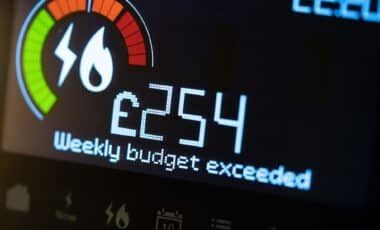
Energy prices in the UK are set to rise, putting additional pressure on households already facing rising living costs. Leading energy providers Octopus Energy and EDF have warned that, by 2030, annual energy bills could increase by as much as £351. The issue is not solely about rising global energy prices; domestic regulations and market complexities are also contributing to the looming surge in costs.
Household Energy Costs Face Major Hike Amid Regulatory Complexities
Energy consumers across the UK are facing a stark future of rising bills, with leading energy providers Octopus Energy and EDF warning that prices could soar by as much as £351 by 2030. This would mark a significant rise, especially when many households are already grappling with increased living costs.
At a recent session of the Energy and Net Zero Select Committee, Rachel Fletcher from Octopus Energy told MPs that electricity prices could rise by 20% over the next four years, even if wholesale prices were to decrease. She stressed that urgent changes are needed in the UK’s energy market, particularly concerning how gas is priced within the wholesale energy market. According to Fletcher, proposals are on the table to shift gas out of the wholesale market and place it into a strategic reserve to alleviate price pressures.
The role of non-commodity costs, which account for a significant portion of energy bills, is also central to the forecasted increase. Fletcher explained that even with a halving of wholesale gas prices, these costs could still push energy prices higher for consumers.
The Role of UK Regulations in Energy Price Increases
Regulatory burdens have also been cited as a major factor in escalating energy bills. Simone Rossi, CEO of EDF UK, noted that the cost of serving UK customers is far higher than in other European countries. Specifically, the cost to serve customers in the UK is about £100 annually, compared to just 45 euros in France. According to Rossi, this disparity is driven not by the wholesale price of gas or electricity, but by increasingly sophisticated and complex UK regulations.
The regulatory framework in the UK has become progressively more complicated, impacting everything from the cost of customer service to overall operational efficiency. These high administrative costs, combined with ongoing pressure from global energy markets, are making it harder for UK consumers to benefit from falling wholesale prices.
Government’s Stance on Rising Energy Bills
Despite these warnings, the UK government remains committed to reducing energy bills by investing in cleaner, homegrown energy sources. A spokesperson for the Department for Energy Security and Net Zero dismissed the claims, asserting that wholesale gas prices remain significantly higher than before the Ukraine invasion, and the government’s focus is on long-term energy security.
However, as energy bills continue to climb, pressure is mounting on both the government and the energy sector to find a more sustainable and affordable path forward for UK consumers.