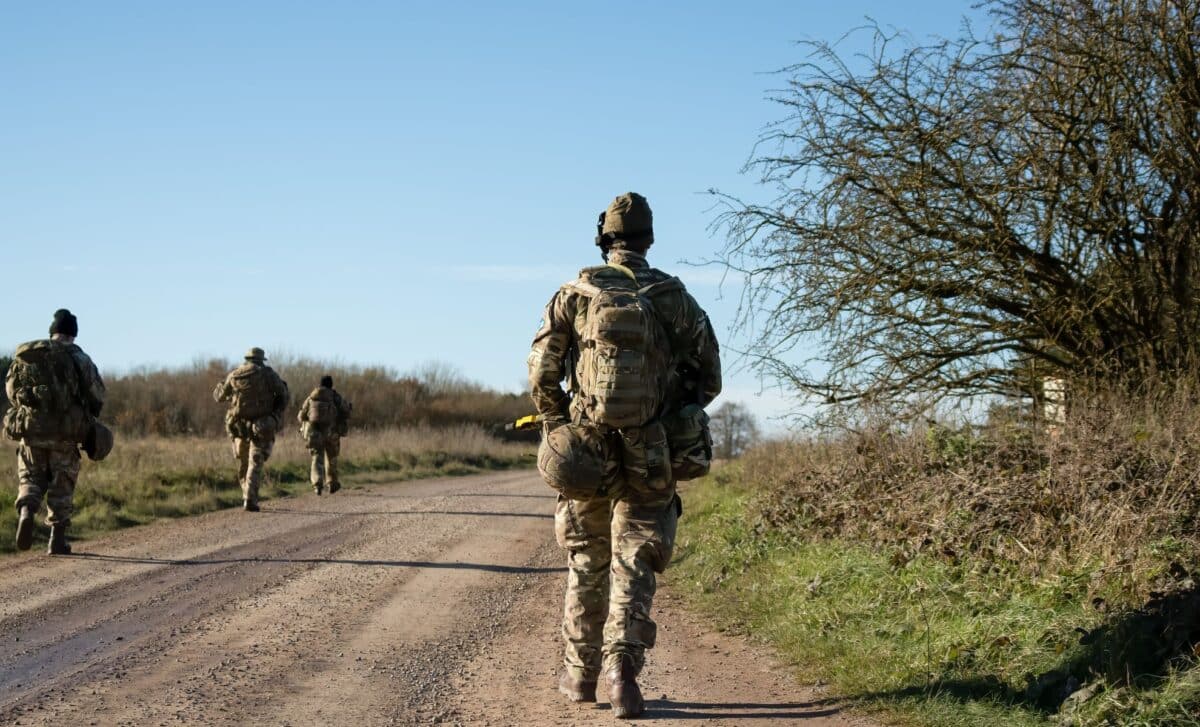
New legislation will expand the age limit for military recall from 55 to 65, with changes set to take effect in 2027. The move is part of a broader plan to strengthen Britain’s military reserves as geopolitical tensions grow.
The UK government has announced a major change to its military recall policy, allowing veterans to be called back into service up to the age of 65. The reform, introduced through the Armed Forces Bill, aims to expand the size and flexibility of the nation’s reserve forces.
This shift reflects growing concern within defence circles about national readiness, particularly in light of ongoing global instability. According to the Ministry of Defence, the adjustment mirrors how Ukraine has used its own reserves since the Russian invasion in 2022.
Strategic Reserve to Grow With Extended Recall Age
The legislation raises the upper age limit for military recall from 55 to 65, a move intended to bolster the UK’s Strategic Reserve. This reserve includes the ex-regular reserve, composed of former full-time service members still liable for recall, and a broader recall reserve available in emergency circumstances.
According to reports, roughly 95,000 individuals are currently eligible under the strategic reserve framework, although figures for the wider recall reserve have not been disclosed publicly. These changes will apply from spring 2027 and will not affect veterans who have already left the military unless they opt in.
A key feature of the new law is the lowered threshold for mobilisation. Veterans and reservists can now be called up for “warlike preparations“, which replaces the current requirement of a “national danger, great emergency or attack on the UK”. This broadens the circumstances under which individuals may be recalled.
Lieutenant General Paul Griffiths, head of the Standing Joint Command, noted that these reforms are intended to ensure the UK has rapid access to “the widest possible pool of experienced personnel.” He stated, “As the threat to our nation grows, we must ensure our armed forces can draw on the numbers and skills required to meet it.”
Defence Gaps and Recruitment Challenges Prompt Policy Shift
The reform arrives at a time when the British Army is facing significant challenges. With only around 70,000 full-time personnel, the UK’s regular forces are now at their smallest since the Napoleonic era. The current size of the active reserve stands at approximately 32,000, well behind comparable European nations like Germany and Finland.
This shift in policy is not isolated. Alongside the age extension for veteran recalls, the Ministry of Defence is pursuing new strategies to fill recruitment gaps. A military “gap year” scheme targeting under-25s is set to launch in March, offering school leavers an entry point into service. This initiative is part of a broader push to engage younger generations and increase long-term enlistment.
While veterans recalled under the new measures are not expected to serve on the front lines, many will bring expertise in areas like cyber defence, intelligence, communications, and logistics. Their role will be to pass on knowledge to younger service members and help maintain operational readiness.