
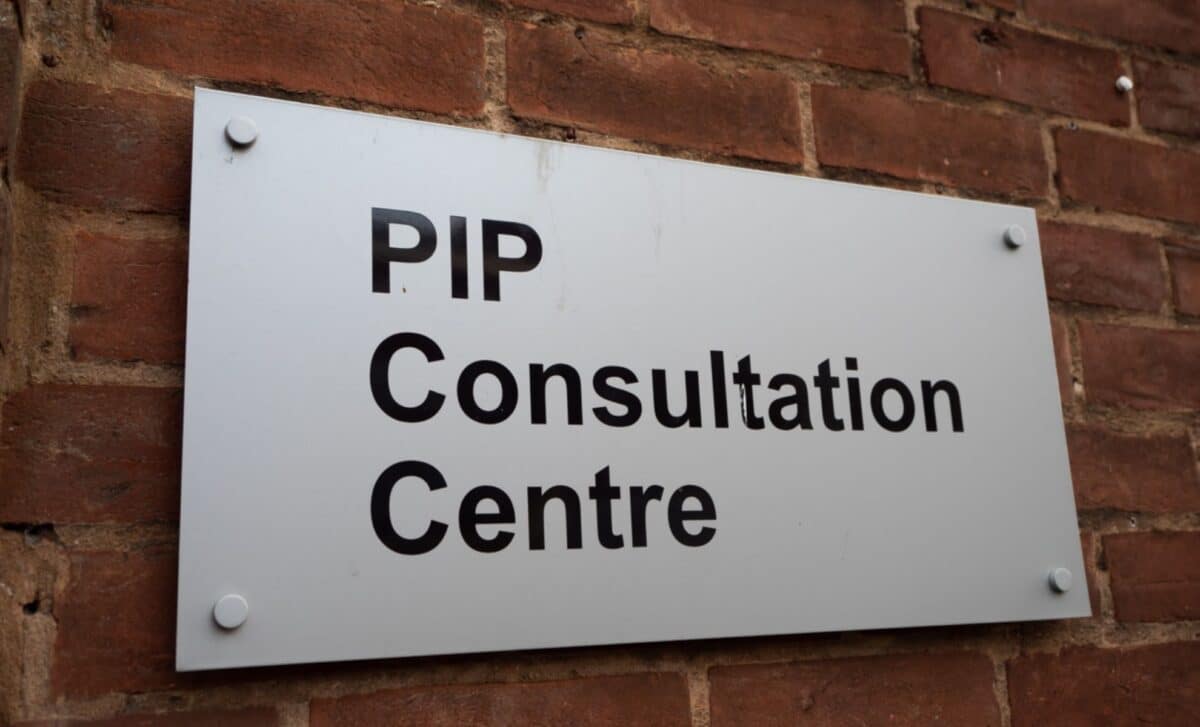
The Department for Work and Pensions (DWP) has confirmed that proposed legal changes to PIP eligibility rules will not go ahead, at least for now. The move comes after political pressure and internal dissent led to a rethink of the Government’s original plans.
An independent review is being launched to assess how the benefit works and whether the assessment process needs reform. According to statements from ministers, the process will involve disabled people, MPs, clinicians and expert groups, with findings to be considered later in the year.
Clause 5 Removed from Bill after Concerns Raised
The proposed changes were introduced through Clause 5 of the Universal Credit and Personal Independence Payment Bill. This clause would have altered the legal basis for assessing PIP, specifically by introducing a requirement that applicants must score at least four points in one daily living activity to qualify for the benefit. According to Minister for Social Security and Disability Sir Stephen Timms, this would have directly affected eligibility for the daily living component of PIP, which is worth up to £187 per week.
Facing criticism from across Parliament, the Government decided to remove the clause during committee stage. According to Sir Stephen Timms, the decision was made “in light of the concerns raised”, and reflects the need for further consultation before any changes are made. This includes discussions with organisations that represent disabled people, clinicians and other stakeholders.
The bill’s amendment had sparked immediate backlash. According to multiple reports, several Labour MPs were strongly opposed to the clause, and pressure from within the party contributed to its withdrawal. While the Government has not ruled out future changes, any further movement on PIP eligibility has now been delayed until the current review is completed.
Independent Review to Assess Long-Term Future of Pip
In place of the proposed legal change, the Government is now undertaking a comprehensive review of the PIP system. This will be led by Sir Stephen Timms and is expected to continue through the first half of the year, with findings to be delivered by autumn. According to the DWP, the aim is to ensure that the PIP assessment process is “fair and fit for the future”.
PIP is a non-means-tested benefit that supports people with long-term disabilities or health conditions. The benefit is split into two parts (daily living and mobility) and is designed to cover extra costs associated with disability. According to the most recent Government figures, hundreds of thousands of individuals across the UK rely on the support, with payment levels adjusted based on the level of need.
Sir Stephen Timms confirmed that the review would be “co-produced with disabled people” and informed by their lived experience. He also noted that clinicians and experts would play a key role in shaping the assessment criteria going forward. For now, all proposed changes to the PIP framework remain on hold until the review process is concluded.
Final decisions will be taken after the review’s findings are passed to ministers for consideration. The DWP has not provided a precise timetable for any further legislation or policy shift, but no changes to current entitlements are expected until at least the end of the year.