
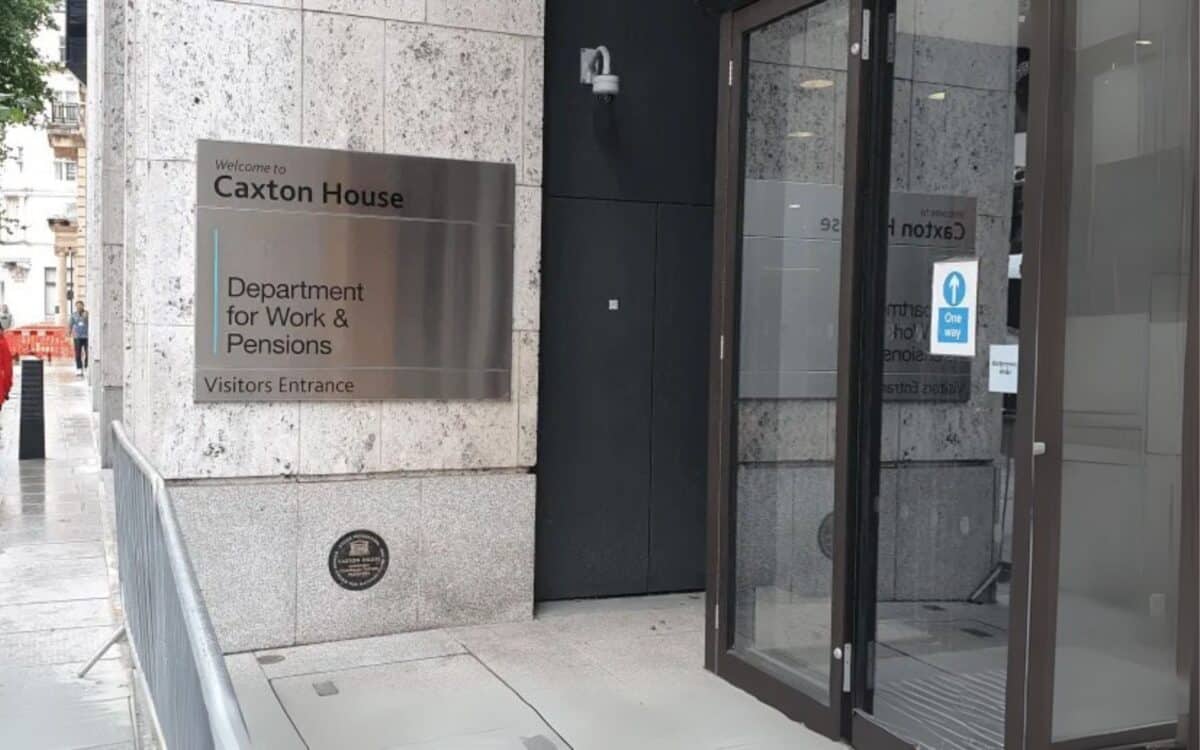
Over 3.7 million people across Great Britain are now receiving Personal Independence Payment (PIP), a disability benefit issued by the Department for Work and Pensions (DWP) to support individuals with long-term health conditions. The number of working-age claimants is currently the highest on record, according to recent government statistics.
In the middle of growing public interest, Daily Record reported that PIP payments can vary significantly in length and amount, depending on the claimant’s circumstances and medical condition. Although reforms are expected in 2026, the current system remains focused on regular assessments and award reviews to maintain support accuracy.
Pip Payments Are Not for Life
Nobody receives a lifetime PIP award. The Department for Work and Pensions (DWP) clearly states:
“The length of award will be based upon each claimant’s individual circumstances.”
Awards range from a minimum of nine months to ongoing with a “light-touch” review at ten years. Ongoing awards are typically given to those with highly stable or deteriorating conditions and those reaching State Pension age. The DWP notes:
“These claimants would not usually be expected to have a face-to-face assessment at review.”
Despite the length of the award, most people undergo regular assessments to ensure they continue receiving the right support:
“Regardless of the length of the award, everyone continues to receive the most appropriate level of support.”
Award Duration Distribution in 2025
Official statistics from April 2025 show the following breakdown for PIP awards under normal rules:
- 79% of new awards were short-term (0 to 2 years)
- 12% were longer-term (more than 2 years)
- 7% were ongoing, with ten-year reviews
For individuals moving from Disability Living Allowance (DLA) to PIP in the same period:
- 29% received short-term awards
- 59% received long-term awards
- 11% received ongoing awards
Conditions Most Associated With Longer Awards
People with certain conditions are significantly more likely to receive PIP awards of five years or longer. As of April 2025, these include:
- Visual disease: 38,112 out of 58,539 claimants (65%)
- Musculoskeletal disease (general): 365,238 out of 697,476 claimants (52%)
- Neurological disease: 252,214 out of 472,121 claimants (53%)
- Respiratory disease: 66,647 out of 137,957 claimants (48%)
- Autoimmune disease (connective tissue disorders): 9,310 out of 19,921 claimants (47%)
- Musculoskeletal disease (regional): 202,317 out of 440,684 claimants (46%)
In total, 1.63 million people have been granted PIP awards of five years or more, representing 44% of all current recipients.
Review Outcomes and Delays
The review process for PIP awards yields varying outcomes:
- 19% of claimants receive an increased award
- 51% have their current award maintained
- 9% experience a reduction
- 21% have their award terminated
As of May 31, 2024, there were 392,000 pending PIP reviews in England and Wales. Despite efforts to speed up processing, only 10,000 reviews were resolved against 120,000 new incoming cases, indicating it could take up to ten years to clear the backlog.
PIP Payments Rates for 2025/26
PIP payments consist of two components: daily living and mobility, each with standard and enhanced rates. The weekly amounts for 2025/26 are:
- Daily living component
- Standard: £73.90
- Enhanced: £110.40
- Mobility component
- Standard: £29.20
- Enhanced: £77.05
Combined, the highest possible PIP payments total £749.80 every four weeks or £9,747 annually. According to other estimates, this can equate to £184.30 per week for those receiving both components at the enhanced level.
Assessment and Eligibility
Eligibility for PIP payments or Adult Disability Payment (ADP) in Scotland requires the applicant to have experienced difficulties with daily living or mobility for three months, and to expect these difficulties to continue for at least nine more months.
Assessments are conducted by independent healthcare professionals and may take the form of telephone, video, or in-person evaluations. ADP assessments are typically paper-based unless the claimant prefers an interview.
PIP Versus DLA: Challenges in Comparing Data
The earlier Disability Living Allowance (DLA) used different classification systems for conditions—such as “blindness” or “dual sensory loss.” In contrast, PIP uses broader categories like “visual disease” and does not separate out dual sensory impairments. This change makes direct data comparison between DLA and PIP difficult, particularly in tracking trends in sensory loss awards.
How to Apply for PIP or ADP
To apply for PIP in England and Wales, individuals must contact the DWP. In Scotland, new applications go through Social Security Scotland and can be submitted online, by phone, or in person.
Applicants should prepare their National Insurance number, contact details, bank information, and the name and contact of their doctor or health worker, as well as information about any time spent in care homes, hospitals, or abroad.