
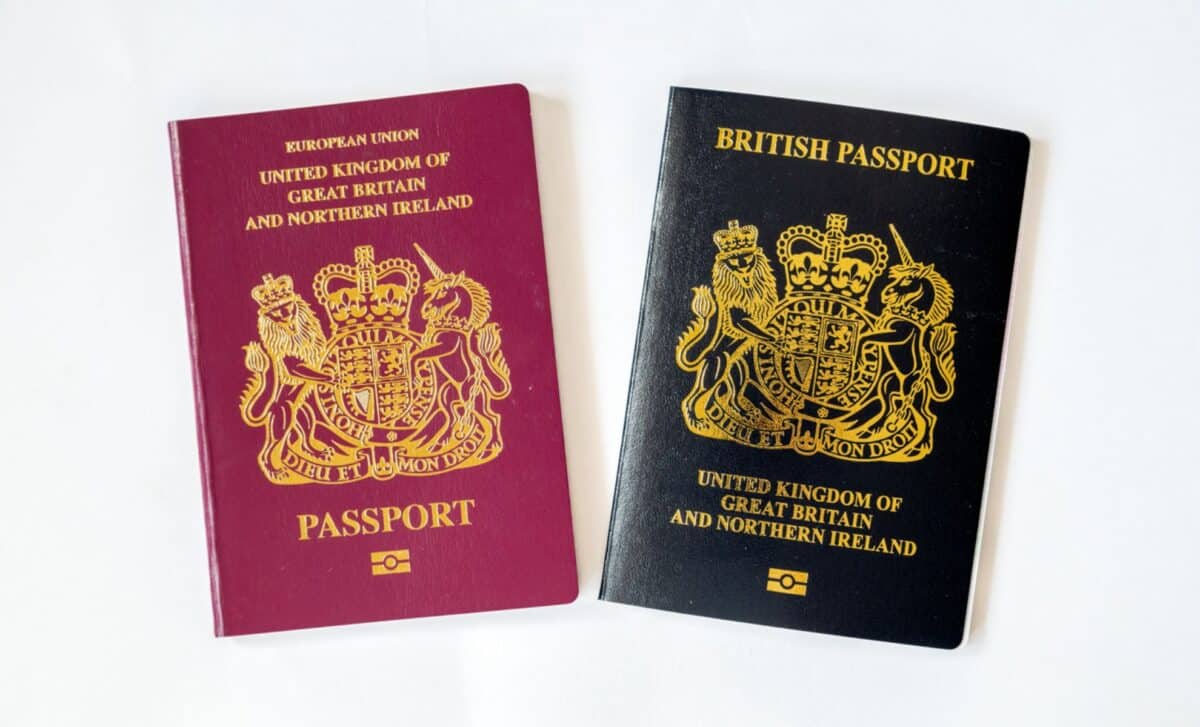
The advice has been highlighted by travel content creator Kylie, known on TikTok as englandandeverywhere, who recently outlined how certain British passports may no longer meet EU validity requirements. Her message reflects official guidance published on Your Europe and Gov.uk, which sets out the rules for non-EU nationals entering member states.
EU Entry Requirements Hinge on Issue Date and Expiry Window
According to Kylie, British travellers who renewed their old red passports before October 2018 may have been issued documents valid for more than ten years. While this was permitted under previous UK rules, it can now create difficulties when travelling to the EU.
She explained that the EU applies two conditions for entry. First, the passport must have been issued within the previous ten years on the day of arrival. Second, it must be valid for at least three months beyond the intended date of departure from the EU.
Using her own former passport as an example, Kylie noted that it was issued in September 2015 and carried an expiry date of June 2026. Although the expiry date appears sufficient at first glance, subtracting three months from June 2026 brings the usable date to around March 2026. Because the passport was issued in September 2015, it ceased to meet the EU’s ten-year issue rule from September 2025 onwards.
According to the Your Europe website, “your passport should be valid for at least three months after the date you intend to leave the EU, and it must have been issued within the last 10 years.” The site specifies that the document must have been issued within the previous ten years on the day of entry, provided it remains valid for the duration of the stay plus an additional three months.
Different Countries Apply Different Passport Validity Rules
The EU’s issue-date requirement is not universal worldwide. As Kylie pointed out, many countries focus solely on the expiry date rather than when the passport was issued. Even so, validity periods vary significantly between destinations.
She stated that Turkey requires 150 days remaining on a passport, while Thailand requires six months’ validity. These examples illustrate how entry conditions differ depending on the country being visited.
According to Gov.uk, travellers should check the specific passport and entry requirements for their destination before departure. Official guidance provides country-by-country information, including validity rules and visa requirements where applicable.
The Your Europe website also notes that children and minors must hold their own passport and, where required, a visa. The guidance makes clear that compliance is assessed on the day of entry into the EU. KyIe emphasised that no traveller wants to arrive at the airport only to be turned away. With EU entry systems evolving and rules firmly in place, checking both the issue date and expiry date has become a necessary step in travel preparation.