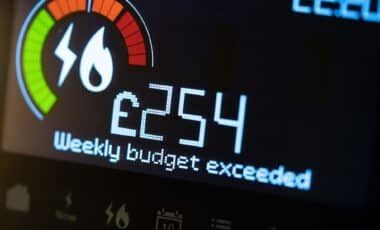
Energy bills are set to rise once again for millions of households in January, as the UK’s energy regulator, Ofgem, confirms a 0.2% increase in the price cap. This unanticipated hike, affecting over 30 million homes, comes as a surprise to many, particularly as experts had predicted a small decrease in costs.
The price cap, which sets a limit on the amount suppliers can charge households for gas and electricity, is a key component of the UK’s energy market regulation. For average dual-fuel households, the new price cap will increase the typical annual bill from £1,755 to £1,758. While this may seem like a modest rise, it still signals ongoing volatility in energy costs that many households find difficult to manage, especially as winter temperatures bite.
Why Are Energy Bills Rising Again?
According to Ofgem, the latest increase in the price cap is largely driven by the continued volatility of wholesale energy prices. Despite a 4% drop in prices over the past three months, conditions in the market remain unpredictable. The regulator has also pointed to rising government policy costs, including funding the Sizewell C nuclear project and supporting the Warm Homes Discount Scheme, as contributing factors.
The price cap is not a direct cap on energy bills, but rather a limit on the rates energy suppliers can charge per unit of gas and electricity. This means that although the price cap itself has risen slightly, a household’s final bill still depends on how much energy they consume.
While some regions may see slightly higher standing charges, overall, the increase is modest, just £3 a year for the average dual-fuel household. However, even small increases can add to the financial strain many families are already feeling, particularly as energy bills remain much higher than pre-Ukraine crisis levels.
Tim Jarvis, Ofgem’s Director General for Markets, noted that the price cap acts as a protective measure, ensuring households don’t pay excessive amounts for energy. However, he emphasised that it’s “only a safety net” and suggested that consumers could look for cheaper tariffs or switch payment methods to further reduce costs.
What Does This Mean for the Future of Energy Prices?
Looking ahead, experts are warning that energy prices may continue to rise in the coming months. Cornwall Insight, a leading energy consultancy, forecasts a further increase in the price cap by April, citing higher costs associated with energy network maintenance and the ongoing challenges of managing the energy transition. While wholesale energy prices have stabilised recently, infrastructure upgrades and long-term sustainability efforts may push costs higher again.
Energy debt is also a growing concern in the UK. Figures from Citizens Advice indicate that nearly 7 million people are living in households with energy debt, with the average amount owed climbing to £1,700. As the financial burden of high energy prices continues to weigh on many families, the government has implemented measures such as the Warm Homes Discount Scheme, which offers some relief for low-income households.
While the government has announced long-term plans to reduce the country’s reliance on volatile international energy markets, through initiatives such as renewable energy expansion and nuclear projects, the short-term outlook for households remains challenging. The continued high energy prices are likely to put further strain on already struggling families, with many already rationing heating or cutting back on other essential services.