Britain’s largest electricity supplier has introduced a new £75 exit fee for customers taking out fixed energy tariffs, citing turmoil in global energy markets linked to the war involving Iran. The change applies only to new contracts and reflects mounting volatility in wholesale gas and oil prices.
The decision comes as analysts warn that UK household energy costs could rise again later this year despite a temporary reduction in the regulator’s price cap from April. The move has sparked criticism from some customers, while the company insists the measure is necessary to continue offering fixed deals during a highly unstable period for global energy supply.
Exit Fees Introduced as Wholesale Prices Surge
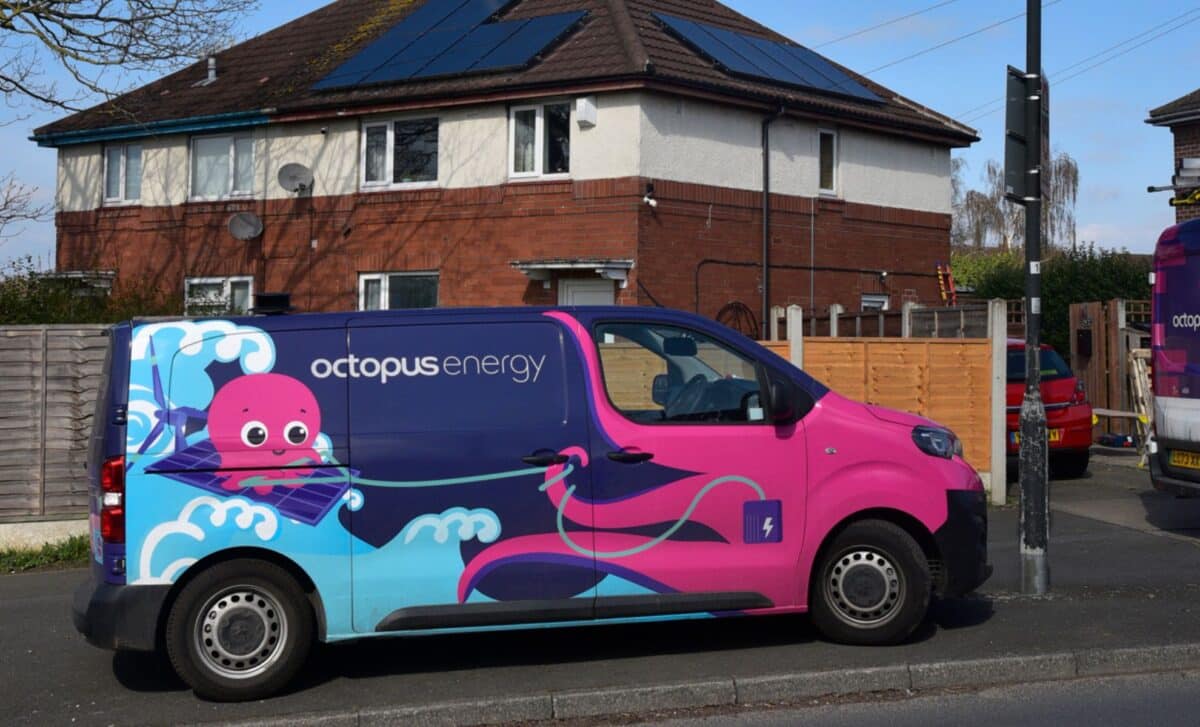
Octopus Energy confirmed this week that customers signing up to its 12-month fixed dual-fuel tariffs will now face a £75 charge per fuel if they leave the contract early. The company introduced the fee on 4 March, after initially setting it at £50 earlier the same day, according to reporting by The Telegraph.
The policy applies only to new fixed tariff agreements. Customers who signed contracts before the change will not be affected, and flexible tariffs remain covered by Ofgem’s energy price cap.
Octopus said the measure reflects the sharp rise in wholesale energy costs following the escalation of conflict in the Middle East. According to The Telegraph, European natural gas prices surged by 58 per cent in late February after Iran launched attacks that disrupted energy infrastructure and prompted Qatar to halt production at several liquefied natural gas facilities.
The situation has also created uncertainty around the Strait of Hormuz, a critical shipping route through which roughly 20 per cent of global oil and gas supplies pass. According to the Express, Iran warned ships against using the strait after claiming control of the passage during the escalating conflict.
In a statement reported by several outlets, an Octopus Energy spokesperson said the company had historically avoided exit fees but was forced to introduce them temporarily due to exceptional market volatility. The spokesperson said wholesale prices had risen sharply and the company could no longer absorb the financial risk if customers left fixed contracts early. The firm said it still intends to continue offering fixed tariffs “for as long as we can” despite the challenging conditions.
Rising Price Forecasts Raise Concerns for Households
The change comes as energy analysts warn that UK households could face higher bills later in the year if wholesale prices remain elevated.
Ofgem’s energy price cap is set to fall by £117 to £1,641 from April, offering short-term relief for households on standard variable tariffs. However, forecasts suggest the cap could increase again in the summer.
According to energy consultancy Cornwall Insight, projections for the July to September cap have already risen to £1,801 a year for a typical dual-fuel household, an increase of £160 compared with the April level.
The consultancy described the projected increase as a cause for concern and warned that higher gas prices could also feed into electricity costs. According to The i Paper, the final figure will depend on the average wholesale energy prices over the coming months, meaning further market volatility could influence the outcome.
Meanwhile, fixed tariff deals are becoming scarcer. Data from the comparison website Uswitch showed that 23 of the 38 fixed tariffs available on Saturday had been withdrawn by Thursday morning, according to The Telegraph.
Octopus Energy chief executive Greg Jackson said the company rarely introduces exit fees and emphasised that the new charges apply only to newly purchased fixed tariffs. He added that when customers sign up to a fixed deal, the company buys a full year’s energy in advance at current market prices.
Regulators say they are monitoring the situation closely. Jonathan Brearley, chief executive of Ofgem, told MPs that the regulator would work to ensure consumers remain protected as energy markets respond to global events.