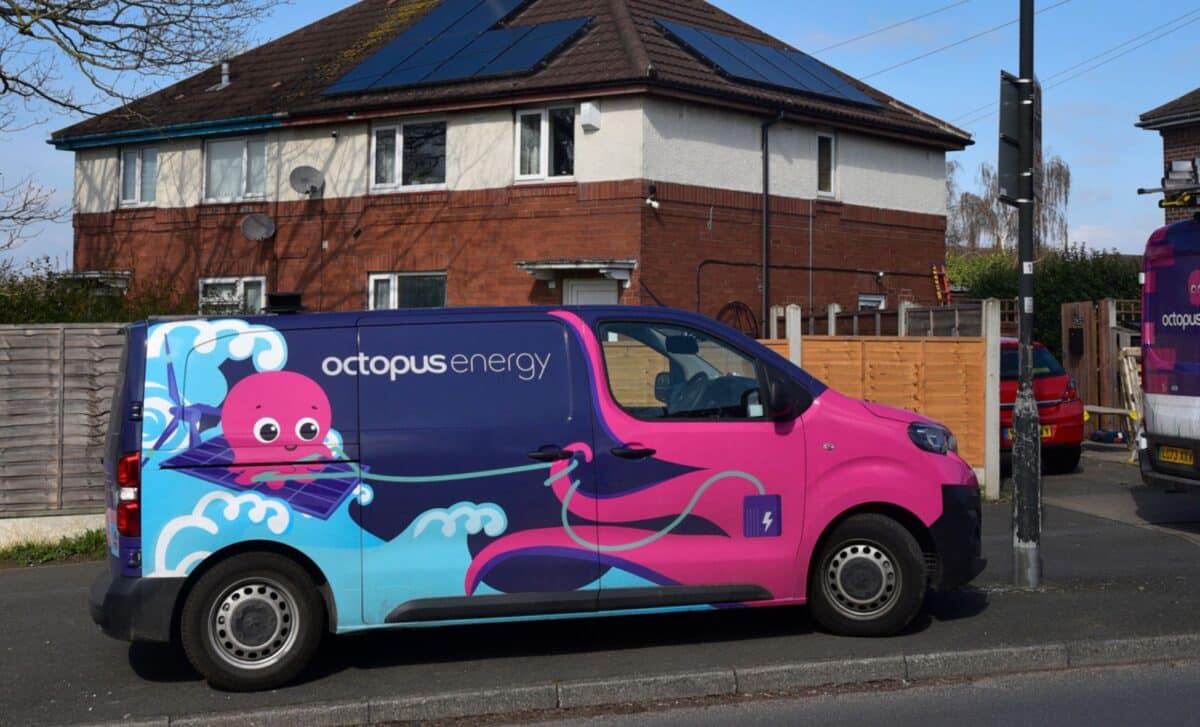
The head of one of the UK’s leading energy suppliers has weighed in on a proposed rule change from Ofgem, the national energy regulator, set to take effect in spring 2026. Speaking on The Martin Lewis Money Show on ITV, Greg Jackson, founder and CEO of Octopus Energy, shared insight into how his company is preparing for the new requirements, which will oblige suppliers to offer tariffs with either low or no standing charges.
This shift comes amid ongoing criticism of standing charges, especially in rural or lower-density regions, where distribution costs are often higher. The move is designed to improve fairness in energy pricing, but concerns are emerging about how these changes may impact the overall structure of bills and business viability for suppliers.
Rule Change Prompts Uncertainty Among Suppliers
The proposed changes, introduced by Ofgem, will require energy providers to offer customers the option of tariffs with little to no standing charges. While the intention is to give consumers more control over their usage and costs, companies face logistical and financial hurdles in adapting to this model.
Greg Jackson, appearing on the ITV programme hosted by financial expert Martin Lewis, admitted that Octopus Energy had not yet finalised its approach to meeting the 2026 requirement. “We’re working on it,” Jackson said, adding, “The day that you switch to us, we get charged essentially, over the next year we will get £200 of fixed costs even if you use no power.”
According to Mr Jackson, this creates a potential problem: if customers with zero or low usage still incur £200 worth of infrastructure costs, the company must find a way to recover that expense without a standing charge. “If everyone is costing you £200, and not spending anything, companies wouldn’t survive,” he said. The comment underlines the difficult balance energy firms will need to strike between offering flexible, usage-based pricing and maintaining financial sustainability.
Regional Disparities and Prepayment Impacts Add Further Pressure
Standing charges are already a point of contention across the UK, due in part to regional cost variation. According to Octopus Energy, electricity distribution costs, set by regional Distribution Network Operators (DNOs), are passed on to consumers based on where they live. This means households in sparsely populated areas such as parts of Scotland, Wales, and northern England often pay more, not because of how much energy they use, but due to the structural expense of delivering power to remote locations.
Jackson expressed concern that removing standing charges might simply shift the burden to higher unit rates, which could ultimately be “not good value for most people.” Martin Lewis echoed this point, noting that while unit rates are not currently regulated by the price cap, standing charges are, something that complicates the impact of the changes for average consumers.
Another layer of complexity lies in prepayment meters, where daily standing charges are deducted from customer top-ups. As explained on the Octopus Energy website, this means if a household doesn’t top up regularly, such as during summer when gas use is low, the standing charge continues to accrue. When the customer eventually does top up, the accumulated charges are deducted in full, often unexpectedly.
Octopus attributes recent increases in standing charges to two main factors: the administrative costs of absorbing customers from failed energy suppliers during the energy crisis, and a structural shift in how the industry charges for distribution, moving more costs into the standing charge rather than the unit rate.
The future of standing charges remains uncertain, but as the 2026 deadline approaches, companies like Octopus Energy face growing pressure to balance cost transparency, regional fairness, and business sustainability, all while staying aligned with Ofgem’s evolving regulatory framework.