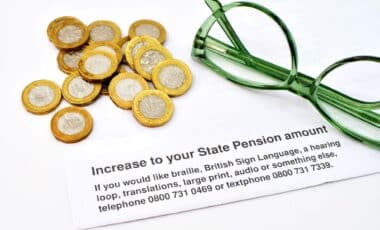

From April 2025, changes to the UK state pension rules will require British expats to pay more to top up their National Insurance contributions. With the introduction of a £910 annual fee and stricter eligibility criteria, the policy shift has sparked significant backlash. The move is expected to impact thousands of expatriates who had previously enjoyed a cheaper and more flexible way to boost their UK pensions.
New Pension Rules and Higher Costs for Expats
The UK government’s recent budget announcement has brought a significant overhaul to the way expats can top up their state pension contributions. Under the new regulations, which will come into effect in April 2025, expatriates will no longer be able to pay into the state pension system as easily as before. In particular, Class 2 National Insurance Contributions (NICs), which cost a more affordable £182 per year, will be eliminated. Instead, expats will need to make Class 3 contributions, which cost £910 annually.
To qualify for these contributions, expats will also need to meet stricter residency requirements. Previously, individuals who had worked in the UK for a few years were eligible to top up their contributions. Now, however, the UK government will require expats to have lived and worked in the country for at least 10 years to qualify for the full pension. While this policy aims to close potential loopholes, it has raised concerns about the increased financial burden on expatriates.
Impact on Expats: Financial Burden and Global Discontent
The announcement has generated widespread dissatisfaction among British expats, many of whom are now facing significantly higher costs. One key concern is the rising price of contributing to the state pension while living abroad. According to some critics, the new £910-a-year rate is particularly burdensome for those residing in countries with weaker currencies, where the cost of living is often much higher. The increased cost, compounded by conversion rates and inflation, could put the full pension out of reach for many people.
Carl Walker from the Jersey Consumer Council told the BBC that the policy was unsurprising but still disappointing. He stated that, “It was a great opportunity for people to take advantage of a very unusual policy which allowed people to make a lot of money out of the UK state pension, and it’s no surprise it’s been shut.” Critics like Walker argue that the policy has been used by some expats to access UK pensions at a relatively low cost while living abroad.
Others, however, feel that the changes are long overdue. Some believe that expats who no longer live in the UK should not be entitled to top up their contributions, especially if they have no ongoing connection to the country.
Despite the backlash, there is advice for those still wishing to top up their contributions before the new rules take effect. Financial experts have suggested that expats should act quickly, as the opportunity to pay the lower rates may soon be restricted. Alistair Spence Clarke, a tax and labour consultant, advised that expats who worked in the UK for a short time could still benefit by paying up to six years of contributions in a lump sum. This would help secure partial pension entitlements even if they hadn’t reached the full 35-year requirement.