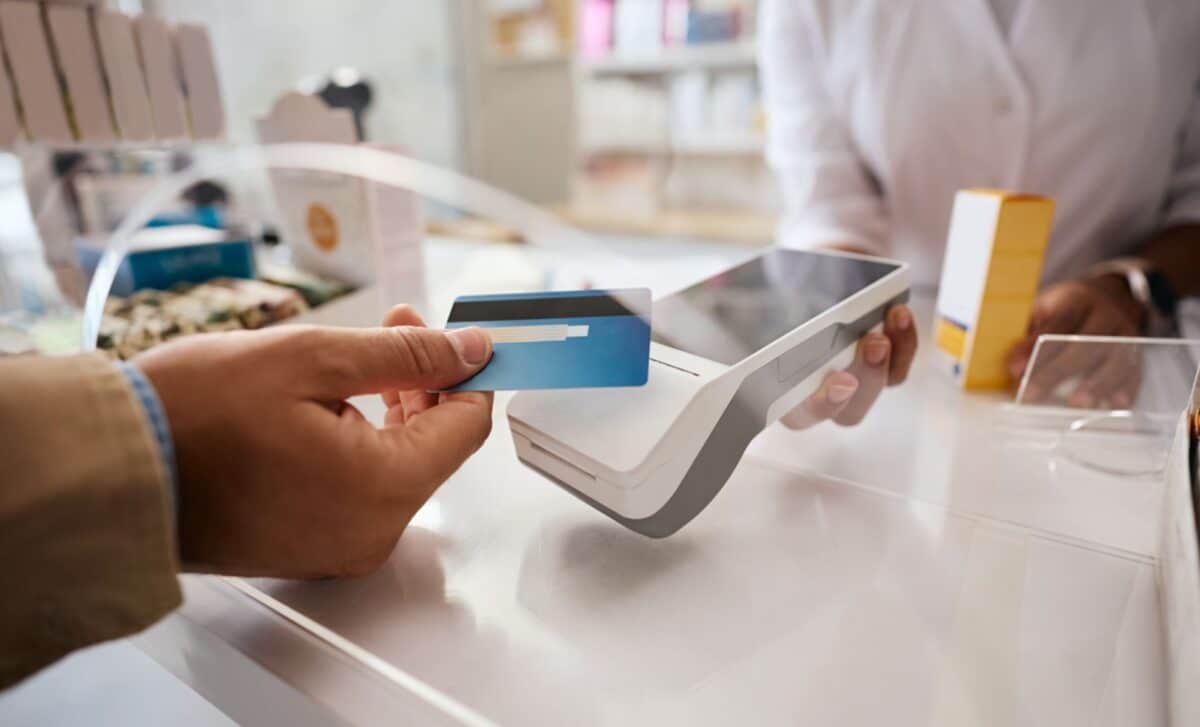
A significant change to how millions of people pay for everyday goods is coming into force this week in the United Kingdom. From Thursday, March 19, the £100 contactless spending limit, a regulatory ceiling that has been in place since 2021, will be formally abolished by the Financial Conduct Authority (FCA), transferring authority over contactless thresholds from the regulator to individual banks and their customers.
The move marks the latest step in a long evolution of contactless payment policy. When the technology was first introduced in 2007, the limit stood at just £10. It climbed incrementally over the following years, to £20 by 2012, £45 in 2020, and £100 in 2021, each increase reflecting growing consumer confidence in tap-to-pay technology. Now, for the first time, there will be no universal ceiling at all.
What the Change Actually Means for Cardholders
Despite the headline, Thursday’s shift may not produce any immediate practical difference for most shoppers. According to UK Finance’s managing director of payments and innovation, Jana Mackintosh, banks and payment providers do not expect to see any immediate change to the existing £100 threshold. Consumer specialist Rebecca Wilcox, speaking on BBC Morning Live, confirmed she had contacted Lloyds, HSBC, Santander, Barclays, NatWest, Monzo and all indicated plans to maintain the £100 limit, at least initially.
What the regulatory change does achieve is flexibility: banks that choose to raise or remove their limits can now do so, provided they communicate any changes clearly to customers. Individuals, meanwhile, will have greater ability to set their own personal contactless threshold, or opt out of contactless payments altogether. Currently, cardholders who exceed £100 in a single transaction are prompted to enter their PIN, and those who make multiple contactless purchases totaling over £300 in a day may face the same requirement.
Fraud Protections and Spending Awareness Front of Mind
The FCA has been deliberate in addressing concerns around fraud. According to the regulator, banks and payment providers must maintain strong fraud controls when processing contactless transactions, and existing consumer protections, including reimbursement in cases of unauthorized fraud such as lost or stolen cards, remain fully in place. The FCA cited Barclays research showing that nearly 95% of all eligible in-store card transactions were contactless in 2024, arguing that improving fraud prevention systems justified the regulatory loosening.
Still, consumer advocates have raised questions about the budgeting implications. Charlie Evans, personal finance expert at Compare the Market, noted that a third of Britons sometimes regret the cost of a spontaneous purchase, and 14% say unplanned spending affects their budget more than expected.
Evans encouraged banks to let customers set their own limits, adding that doing so would allow shoppers “to pause and consider their purchase and manage their spending in a way that works for them.” Practical steps such as enabling banking notifications, using RFID-blocking wallets, and monitoring spending through mobile apps were also recommended to help cardholders stay in control under the new regime.