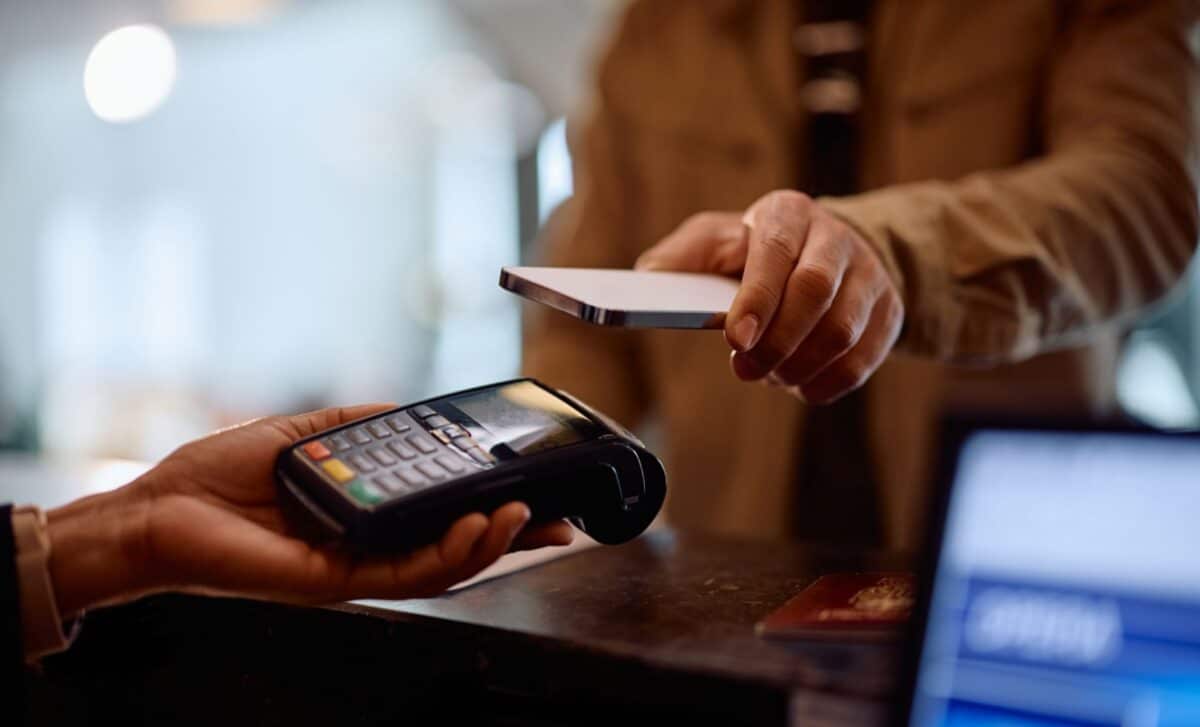
New regulations taking effect on March 19, 2026, will allow financial firms to raise contactless payment limits beyond the current £100 cap. Industry analysts say the shift could reshape how customers manage everyday spending, as variations in in-app controls across banks become more significant.
The changes, introduced by the Financial Conduct Authority (FCA), will give banks and building societies discretion to set their own contactless limits. At the same time, research by ratings agency Defaqto highlights that fewer than half of providers currently allow customers to set a personal contactless cap, prompting calls for stronger consumer controls.
The reform does not automatically increase the £100 per-transaction ceiling. Instead, it gives firms flexibility to adjust limits if they choose. Existing safeguards will remain in place, and customers must still be reimbursed in cases of unauthorized fraud, such as when a card is lost or stolen.
Banks Show Wide Variation in Contactless Controls
According to Defaqto, only 13 of the 31 banks and building societies assessed (42 percent) currently allow customers to set their own contactless card limit. By contrast, 21 providers, or 68 percent, permit users to freeze contactless payments through their mobile apps.
The analysis, conducted in February ahead of the rule change, examined both high street and online-only banks. It found significant differences in the money management tools available to customers, particularly within mobile banking platforms.
Katie Brain, banking expert at Defaqto, said the removal of the cap could make app-based controls more important for consumers. “With the contactless cap being removed, choosing a bank or building society with the right in-app controls could make a real difference to how easily people manage their money,” she said. “Features like setting your own contactless limit or freezing payments give customers a practical way to put the brakes on spending if they need to.”
According to the research, some apps also allow customers to view upcoming direct debits and standing orders up to a selected date, offering greater visibility over future outgoings. Many providers categorize spending automatically, and some enable users to create their own categories to track expenditure more closely.
Other tools include transaction and balance notifications, as well as the option to block certain types of payments, such as gambling transactions, either through an app, by phone, or in branch.
FCA reforms aim to balance flexibility with security
The rule changes are being implemented by the FCA, which has indicated that most firms are expected to maintain the £100 limit for the foreseeable future. The purpose of the reform is to allow firms to respond more effectively to evolving consumer demands, inflation, and technological developments.
According to the regulator, existing fraud protections will remain firmly in place. Consumers must continue to be reimbursed in cases of unauthorized contactless fraud, maintaining the current framework of liability protections.
Industry body UK Finance stated in December that it does not anticipate any immediate change to the £100 limit. It added that “any changes made in the future will be done carefully and ensure strong security and fraud controls remain in place,” according to its statement at the time. The current £100 ceiling therefore remains unchanged as the new framework comes into force. What shifts is the discretion granted to firms, and, potentially, the degree of control available to customers through their banking apps.