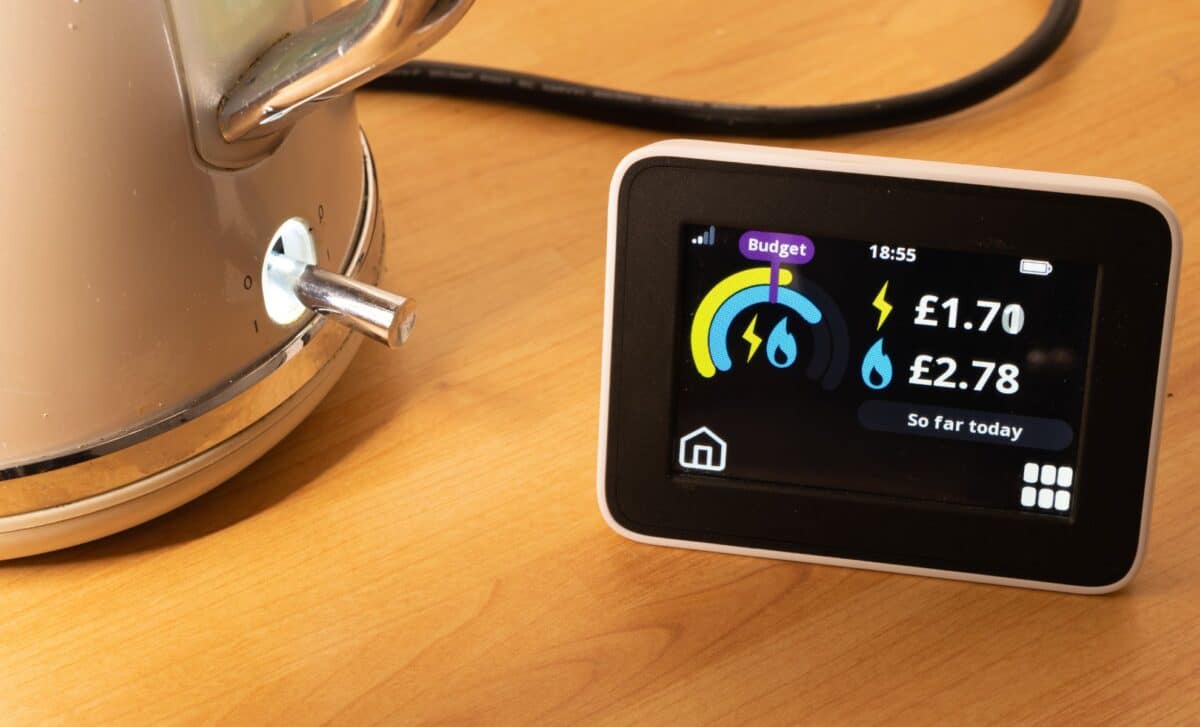
Energy customers across Britain, including those with British Gas, Octopus Energy, E.ON Next, OVO Energy, Scottish Power, and EDF, are now entitled to automatic £40 compensation payments under sweeping new rules governing faulty smart meters. The regulations, which came into force last month, mark a significant shift in how energy regulators hold suppliers accountable for meter performance.
The changes follow Ofgem’s review of its guaranteed standards of performance for smart meters, a process the regulator initiated last year amid growing concern about the scale of malfunctioning devices across the country. With over 40 million smart meters installed nationwide, the scope of the problem, and the potential financial relief now available to affected households, is considerable.
What the New Rules Mean for Consumers
At the heart of the new framework is a firm 90-day deadline: energy suppliers must repair or replace a faulty smart meter within that window, or face fines and potential legal action from Ofgem. According to BBC correspondent Zoe Conway, speaking on BBC Breakfast, approximately three million of the UK’s 40 million smart meters are currently faulty, a figure that points to a systemic failure in the rollout of technology central to Britain’s clean energy ambitions.
The £40 compensation is triggered automatically under three specific circumstances: if a customer waits more than six weeks for a smart meter booking, if an installation fails due to supplier error, or if a supplier does not provide a resolution plan within five working days of a reported fault. Crucially, customers do not need to make a formal claim, the credit is applied directly to their account.
For many households, the stakes extend well beyond a one-off payment. Smart meters are the gateway to time-of-use tariffs that offer cheaper electricity overnight or during off-peak periods. Customer Tony Harris, who appeared on BBC Breakfast, told the program his meter has been non-functional for two and a half years. “You see all these adverts telling people ‘use your electricity overnight, get a discount,’ ‘don’t use on certain days, we’ll pay you money for it ‘- and we get none of that.” he said, calling on Energy Secretary Ed Miliband to “sort out the foundations” before pushing broader green energy targets.
Industry Response and the Road Ahead
The energy industry has broadly welcomed the new framework, albeit with measured language. According to Energy UK, which represents the major power providers, placing greater emphasis on ensuring existing smart meters work properly, rather than focusing purely on installing new ones, is the right approach. The body acknowledged that the high performance standards set by suppliers must be maintained going forward.
Ofgem reported that more than 900,000 previously malfunctioning meters have been repaired or replaced since 2024, and government data shows over 70% of households now have either a smart or advanced meter installed. The regulator has also confirmed it will review these standards again in early 2027.
Melissa Giordano, Deputy Director of Systems and Processes at Ofgem, said every customer who wants a smart meter “should get one quickly, and it should work from day one,” adding that the new rules are designed to set clear expectations, drive better performance, and protect consumers when things go wrong.