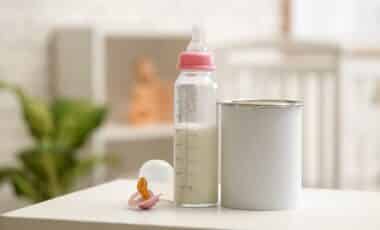
Nestlé has issued a voluntary recall of various SMA infant and follow-on formula products over concerns about potential contamination with cereulide, a toxin produced by the Bacillus cereus bacterium. The affected products, sold in the UK and multiple European countries, may cause symptoms such as nausea, vomiting and abdominal cramps if consumed.
This recall affects well-known formulas trusted by many families, including SMA Advanced First Infant Milk, SMA Anti Reflux, SMA Comfort and SMA Lactose Free. While no health cases have been linked to the product to date, both Nestlé and food safety regulators have taken swift action to remove the affected batches from circulation.
Toxin Concerns Prompt Precautionary Recall
The recall follows the detection of a “quality issue” in an ingredient used in Nestlé’s infant formula production, specifically a batch of arachidonic acid (ARA) oil supplied by one of its major partners. According to Nestlé, the issue concerns the possible presence of cereulide, a heat-resistant toxin that cannot be neutralised by boiling water or standard formula preparation techniques.
The Food Standards Agency (FSA) confirmed that affected batches may be unsafe for infants. According to Jane Rawling, the FSA’s Head of Incidents, cereulide “can cause food poisoning symptoms which can be quick to develop and include vomiting, and stomach cramps”. She added that “urgent action” is being taken to ensure all affected products are swiftly removed from sale.
The batch-specific recall includes multiple products under the SMA brand and extends to Guigoz, Nidal, Beba and Alfamino in other European countries such as France, Germany, Austria and Italy. Nestlé is working closely with authorities across these regions to coordinate efforts. Parents and carers are advised to refer to Nestlé’s website or food.gov.uk to verify if their formula tin or container belongs to a recalled batch.
Company Response and Public Reassurance
In a public statement, Nestlé emphasised that the safety and wellbeing of infants remains its “absolute priority”. The company confirmed that “no illnesses have been confirmed in connection with the products involved to date”, and added that the recall is being conducted “out of an abundance of caution”.
Customers have been advised not to use the affected products and to contact Nestlé for a full refund. The company has also shared clear guidance on identifying batch codes, printed on the base of tins or containers for powdered formulas, and on the outer packaging for ready-to-feed varieties.
According to reports, the recalled products were distributed across the UK and Ireland, and Nestlé France confirmed similar measures had been taken in several EU countries. The food giant is currently conducting additional quality testing and monitoring to prevent further incidents.
The FSA reiterated that any parents or caregivers who are concerned about having already used a recalled product should seek medical advice. Individuals can contact their GP or NHS 111 if symptoms such as vomiting or stomach pain are observed in their child after feeding.
The incident has highlighted the complexity of supply chains and the importance of rigorous ingredient testing, even among major manufacturers. Nestlé has assured the public it is taking comprehensive steps to safeguard trust and maintain transparent communication throughout the process.